Tsingy de Namoroka National Park

Tsingy de Namoroka National Park holds limestone pinnacles to rival Bemaraha, the longest cave system in Africa, and fewer than five hundred visitors a year. Circuits run from easy forest walks to multi-day treks with scrambling and rope bridges. The park covers around 220 square kilometres south of Soalala in northwestern Madagascar, and forms a single protected complex with neighbouring Baie de Baly.
Tsingy Trekking Tours on the Namoroka Circuits
Tsingy trekking tours here cover the same Jurassic limestone architecture as Bemaraha, carved by rain and wind into needles, walls and canyons. What differs is the company. Bemaraha draws thousands each season. Namoroka sees a few hundred in a year.
Three main circuits operate. Ambovonomby and Antsifotra give access to the pinnacle formations themselves, with routes threading between rocks and rope bridges crossing the canyons. Ambozimarohabo runs about 5 km over three hours, roughly 25 minutes’ drive from the camp, taking in baobabs, swollen pachypodiums and tsingy formations, and rates as moderate.
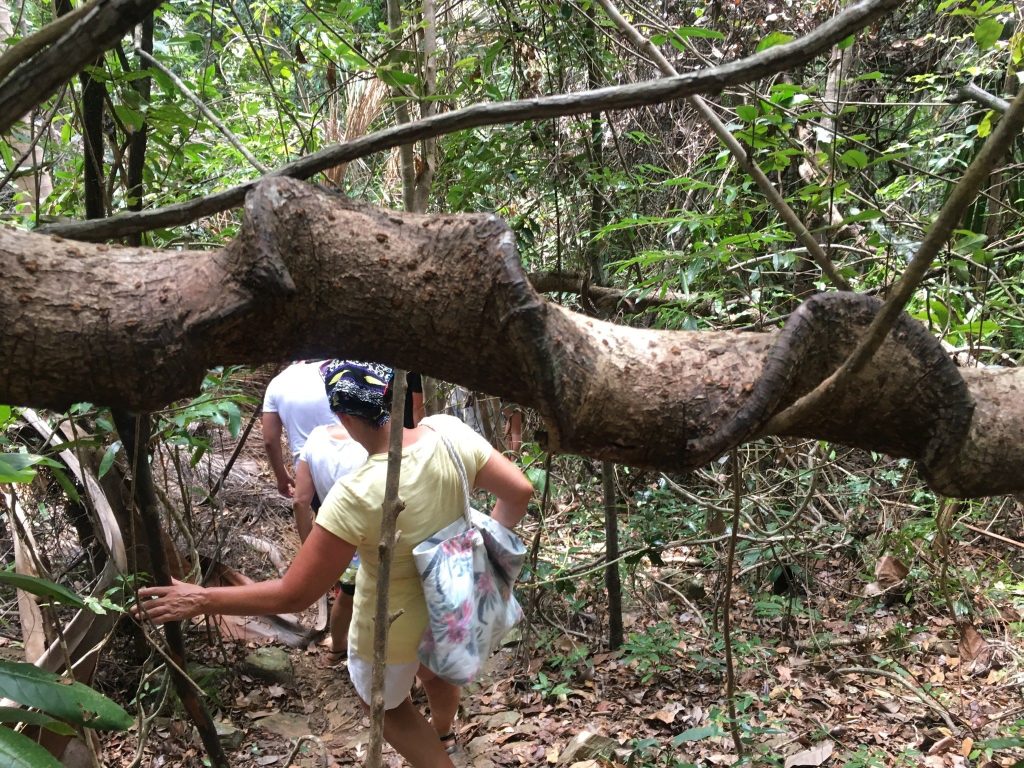
These are not paved trails. Expect climbing, squeezing through narrow passages and scrambling on rock sharp enough to open skin. A guide is compulsory and porters are worth hiring.
Marosakabe Cave Tours and Underground Rivers
Cave tours at Namoroka reach into a system that outstrips anything else on the continent. The Marosakabe network is mapped at around 113 km, making it the longest known cave in Africa, and it runs beneath a park most travellers have never heard of.
Underground rivers cut the passages. The same water that dissolved the limestone still moves through it, and the park serves as a water reservoir for rice fields in the surrounding country, which is one reason local communities have an interest in its protection.
Several sites within the caves and tsingy carry sacred status among the Sakalava, and guides will explain which are open and which are not before you set out.
One hundred and thirteen kilometres of mapped cave, the longest in Africa, under a park that receives fewer visitors in a year than Andasibe sees in a busy week.
Decken’s Sifaka and Lemur Watching Tours
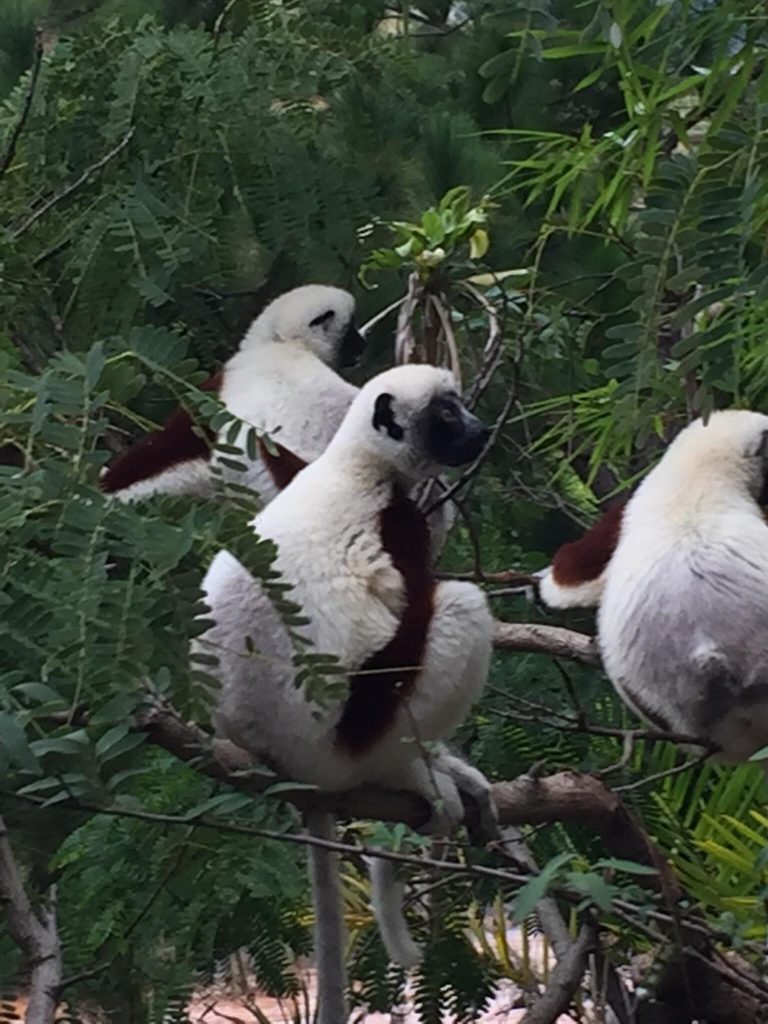
Lemur watching tours here turn on one animal above the rest. Decken’s sifaka is creamy white with a black face and moves across the tsingy with leaps that cover ten metres or more between needle-sharp spires, which is a thing worth watching for its own sake.
Eight lemur species live in the park across eighteen recorded mammals. Milne-Edwards’ sportive lemur, grey mouse lemur, common brown and red-fronted brown lemurs, fork-marked lemur and western grey bamboo lemur make up most of the list. Aye-ayes are reported and almost never seen. Fossa are present.
The tsingy has acted as a barrier for long enough to isolate populations and drive speciation, which is why the species here differ from those a short distance away in flatter country.
Birding Tours for Schlegel’s Asity and Forest Rarities
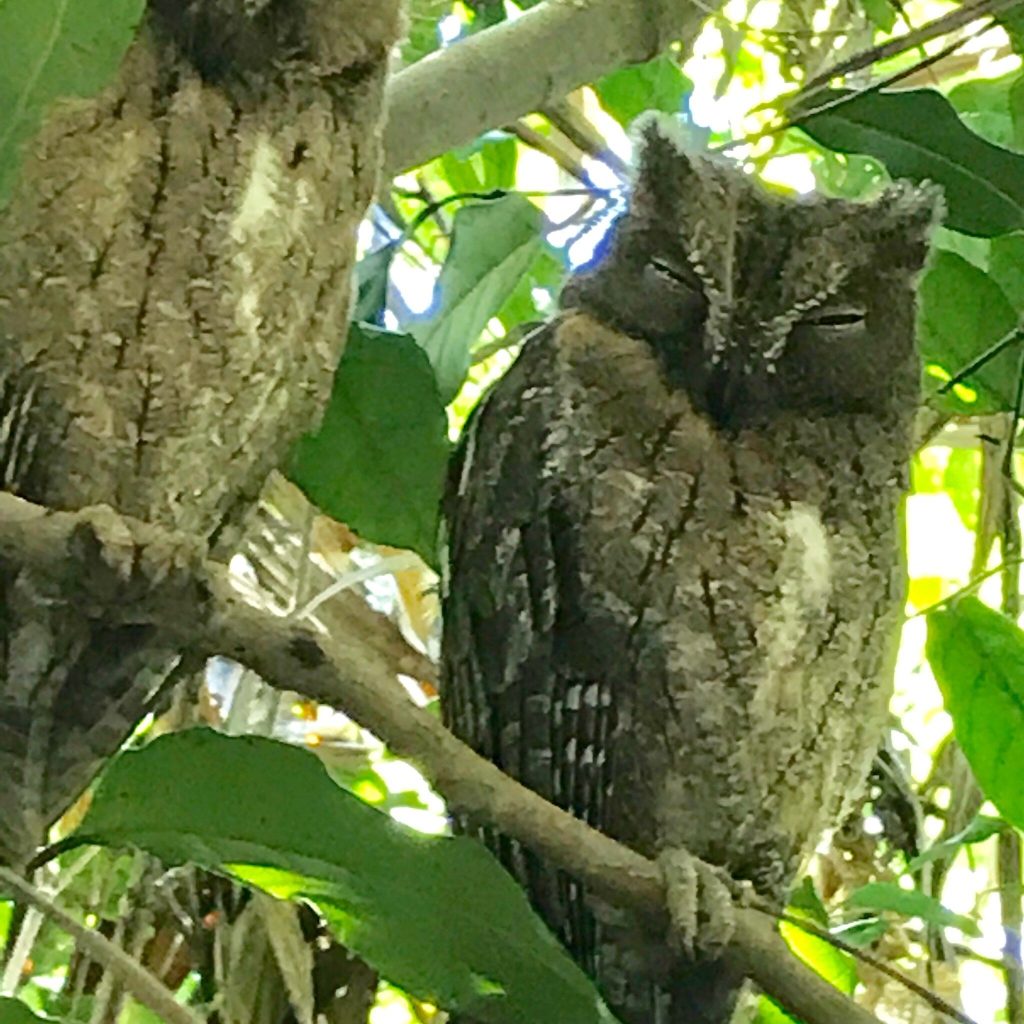
Birding tours record over 81 species, of which 31 are endemic to Madagascar and a further 23 to the region. For a park this small and this dry, that is a strong list.
Schlegel’s asity is the one birders come for and is reported as reliably sighted on the Ambatofolaka circuit, an easy 3 km forest walk that works well for both morning and night outings. Madagascar fish eagles have been recorded here too, which is notable for a critically endangered raptor.
The mix of dry deciduous forest, bamboo stands, wetland and rock supports six distinct ecosystems within the park boundary, and the bird communities shift accordingly.
Baobab and Pachypodium Walking Tours
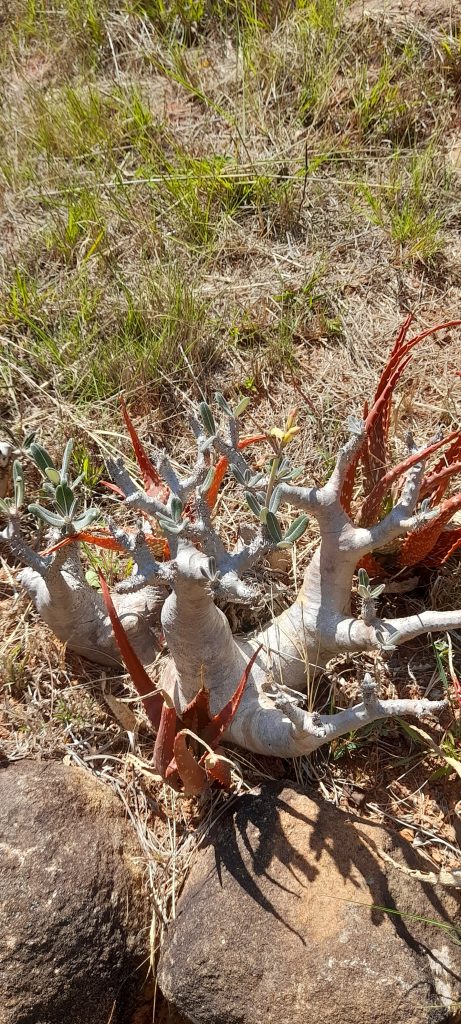
Walking tours through the forest sections take in baobabs growing directly out of limestone alongside pachypodiums swollen into bottle shapes. Several plants here are found nowhere else, including the dwarf pachypodium Pachypodium ambongense, Aloe namorokensis and Terminalia namorokensis.
Clear natural pools sit within the park and swimming is safe in them, which after a morning on hot limestone is more welcome than it sounds. Temporary basins fill and empty with the seasons.
Six distinct ecosystems meet inside the boundary, running from dry deciduous forest through bamboo stands to wetland, river, cave and bare karst. That range in a park of 220 square kilometres is what accounts for the species counts, and it means a two-day visit crosses more habitat types than a week in a single-system park would.
Day circuits. Ambatofolaka at 3 km is an easy forest walk good for lemurs and birds, including night walks. Ambozimarohabo at 5 km takes three hours and reaches baobabs and tsingy. Both manageable from camp.
Multi-day treks. Two to three days reaching the main pinnacle formations, camping at designated sites. Involves climbing, scrambling and rope bridges. Needs good fitness and porters.
Sakalava Sacred Sites and Community Management
Namoroka is not empty country. The Sakalava who live around it hold sites within the tsingy and the caves in high regard, and several places inside the park boundary are subject to restrictions that have nothing to do with conservation rules and everything to do with local custom.
Guides brief visitors on this before setting out. Some areas are closed outright, others permit access but not photography, and a few require specific conduct. None of it is onerous, and treating it as a formality is the wrong instinct in a place where the park depends on community goodwill to function.
That dependence runs both ways. The limestone acts as a water reservoir for rice fields in the surrounding valleys, which gives villages a direct material stake in the forest above staying intact. Community guides work alongside park agents, and visitors are received at Ambatofolaka rather than at a gate.
The protection history is long. Namoroka was declared an integral nature reserve in 1927, became a special reserve in 1966 and was upgraded to national park status in August 2002. Since 2001 it has been managed as a single complex with Baie de Baly to the north.
Getting to Tsingy de Namoroka from Soalala
The park lies roughly 50 to 56 km south of Soalala, which is itself among the harder towns in Madagascar to reach. From Mahajanga you cross Bombetoka Bay to Katsepy, then drive 150 km on to Soalala, or charter a boat from Mahajanga for six hours or more.
Private charter flights to Soalala are the fastest option, followed by a two and a half hour four-wheel drive transfer through dry forest to the park. Visitors register at the Madagascar National Parks office in Soalala and are received at the village of Ambatofolaka by park agents or community guides.
Namoroka Tsingy Camp opened in 2024 as the only accommodation within the park, a tented camp on the edge of the protected area. Before that, visitors camped or stayed with families in surrounding villages, which remains an option. Facilities elsewhere are minimal, with camping areas and signage still being developed.
Access runs roughly May to November, matching the seven-month dry season. Outside that the tracks fail. Because Namoroka and Baie de Baly form one complex and share the same access route through Soalala, anyone committing to the effort of getting here should plan both parks rather than one. The travel is the expensive part, and doing it twice makes no sense.
Best Time for a Namoroka Trek
This is savanna climate with a dry season of about seven months and a wet season of five, around 1,150 mm of rain a year and average temperatures near 25 degrees.
May and June. The tracks dry out and the park becomes reachable. Vegetation still green from the rains and temperatures comfortable. A good window for the longer treks.
July and August. Coolest and driest. The most reliable conditions for reaching Soalala and for walking on exposed limestone. Reptiles are less active in the cool.
September to November. Warming steadily, with wildlife more active and thinning vegetation improving lemur visibility. Midday heat on the rock becomes hard work toward the end.
December to April. Wet season and inaccessible in practice. The route from Katsepy deteriorates and the park closes to visitors. Plan elsewhere.
Frequently Asked Questions
How much does it cost to visit Tsingy de Namoroka?
Reports put international entry at around 65,000 Ariary for a one-day pass, higher than the standard national park rate. Guide hire is compulsory and charged separately, along with community fees, all paid at the Madagascar National Parks office in Soalala in cash in Ariary. Porters are extra and worth budgeting for. As with Baie de Baly, the transport to Soalala dominates the total cost.
How does it compare with Tsingy de Bemaraha?
The formations are comparable and Namoroka has the far greater cave system. Bemaraha has the via ferrata infrastructure, established circuits and considerably easier access from Morondava. Namoroka offers near-total solitude in exchange for much harder logistics. Travellers who have done Bemaraha and want something wilder are the natural audience.
Where do I stay?
Namoroka Tsingy Camp is the only accommodation inside the park, a tented camp opened in 2024. Otherwise camping at designated sites, or staying with families in nearby villages, which is a genuine and welcoming option. Soalala has minimal facilities and Mahajanga is a long way off.
How fit do I need to be?
Fit enough for scrambling and climbing on sharp rock in heat. The Ambatofolaka forest circuit is easy and suits most visitors, but the tsingy routes involve squeezing through passages, crossing rope bridges and hauling yourself over limestone. Sturdy footwear and gloves are worth having.
How many days do I need?
At least two full days in the park, and most operators suggest 48 hours as the minimum to justify the trip. Combined with Baie de Baly and the travel from Mahajanga, a week is realistic. Charter flights compress it considerably if your budget allows.
Is it safe to swim in the pools?
Yes, the natural pools within the park are safe and swimming is permitted. Guides will show you which ones. Some sites nearby carry sacred status with restrictions attached, so follow your guide rather than assuming.
Who should come here?
Travellers who have already seen the accessible parks and want somewhere genuinely remote, along with birders after Schlegel’s asity and anyone drawn to cave systems. First-time visitors to Madagascar are better served by Bemaraha, which delivers a similar experience with a fraction of the difficulty.
Planning Your Visit
Namoroka is one of the last parks in Madagascar where you can walk major tsingy formations without meeting another group. That is the whole proposition, and it costs you several days of hard travel to collect.
Booking Your Madagascar Trip
The safari companies and tour operators listed on this website put trips like this together for a living and know which camps, guides and routes actually deliver. We are an independent guide to Madagascar; we do not book or sell tours ourselves.
When you are ready, arrange your safari, tour or holiday with one of the recognised operators listed here. Tell them your dates and what matters most, and a real person, not a form, will handle the itinerary, park bookings and logistics for you.