Marine Life of Madagascar
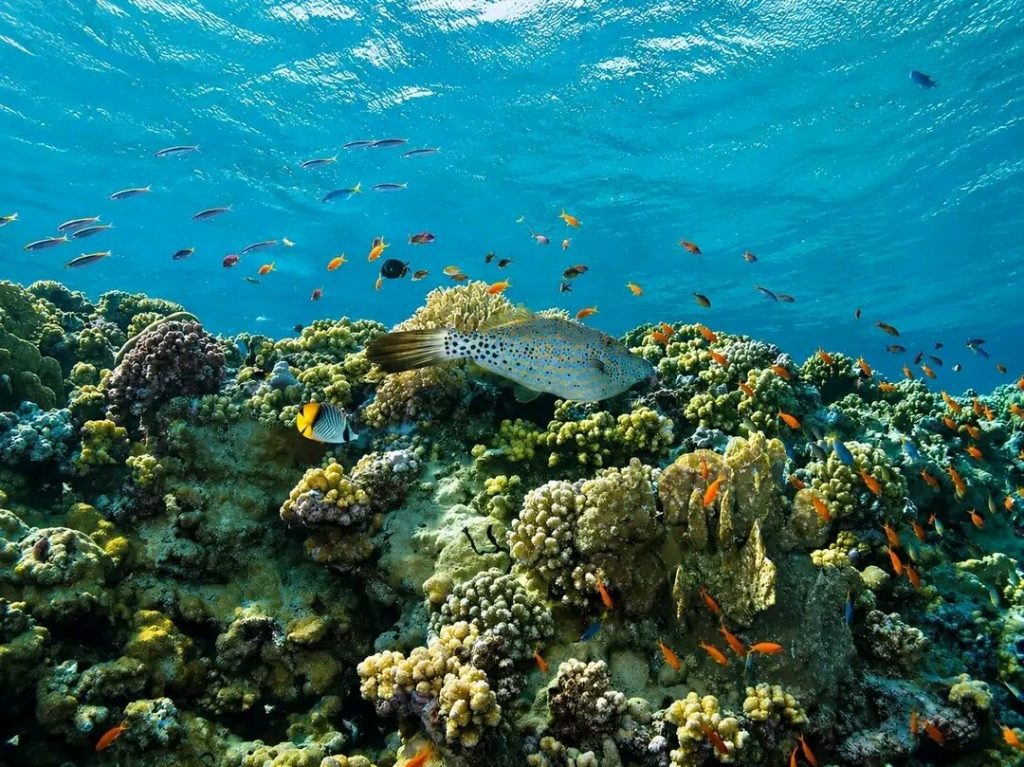
Madagascar’s 5,000 km of coastline holds coral reefs, five species of sea turtle, migrating humpback whales, whale sharks and dugongs. The reefs are least damaged inside long-established marine reserves at Nosy Tanikely, Nosy Hara and the three protected areas off Masoala, where around a hundred coral species sit below a rainforest peninsula.
Coral Reefs and Where They Survive
Reefs run along most of Madagascar’s coasts, with the longest system off Toliara in the southwest, sometimes called the great barrier reef of Madagascar.
Condition varies considerably. Reefs inside marine reserves that have been protected long enough have recovered properly, and the difference is visible within minutes of getting in the water.
Nosy Tanikely off Nosy Be is the clearest example, a small island protected as a marine reserve with coral gardens a few metres from the beach and fish density reflecting the protection. Buoys mark the boundary.
Masoala holds three marine reserves, Tampolo, Ambodilaitry and Ifaho, with around a hundred coral species and the unusual quality of sitting below the largest protected rainforest in the country.
Nosy Hara north of the Emerald Sea is a marine park of limestone islands with reefs in good condition and very few visitors.
Around a hundred coral species sit off the Masoala peninsula, below the largest protected rainforest in Madagascar. Nowhere else puts reef and rainforest that close together.
Sea Turtles
Five turtle species occur in Malagasy waters and several nest on beaches that visitors can reach.
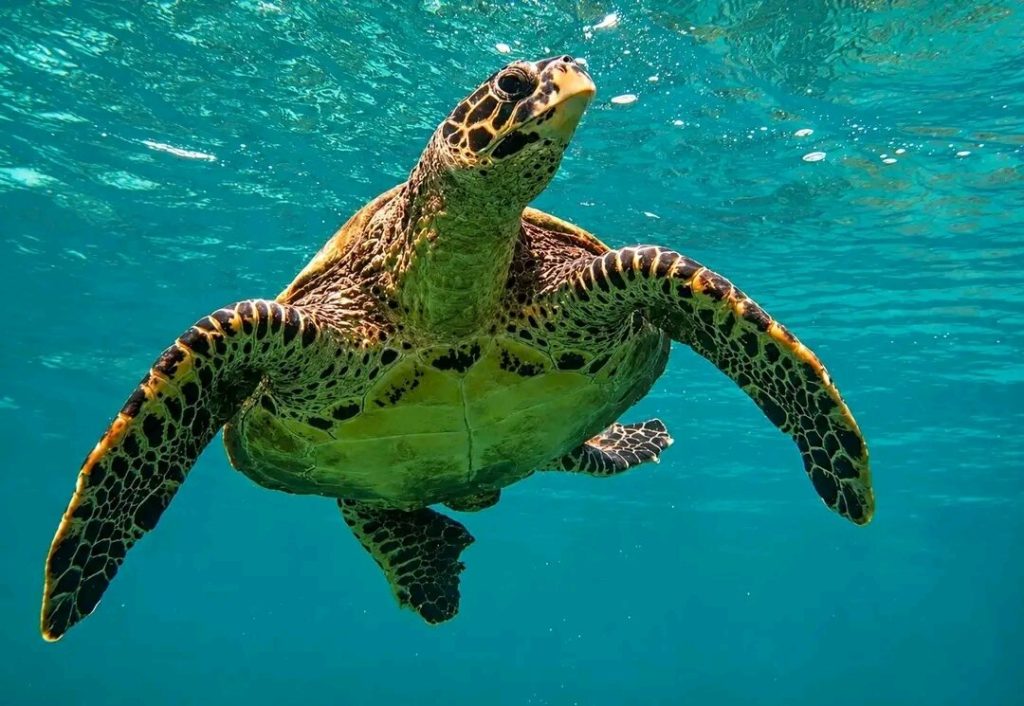
Green turtles are the ones seen most often while snorkelling, routine at Nosy Tanikely and around Nosy Sakatia, where swimming with them is a specific draw. Hawksbill turtles are critically endangered and also present around the northern islands.
Nosy Iranja is the nesting site most associated with turtles, with females hauling up the beaches at night to dig nests and hatchlings emerging weeks later. Sources disagree on the exact season, variously reported October to January and November through April, so ask an operator what has been happening recently.
Baie de Baly in the northwest sees green, hawksbill and loggerhead turtles nesting, alongside the freshwater Madagascar big-headed turtle which is critically endangered and dependent on river and wetland systems.
Seeing a nesting female or a hatchling emergence needs an overnight stay, since both happen after dark or at first light. Torches and camera flashes disorient hatchlings heading for the sea and should stay off unless a guide says otherwise.
Whales, Dolphins and Large Marine Mammals
Humpback whales migrate from Antarctic waters between roughly July and September to breed and calve. The Baie d’Antongil, the bay between Île Sainte-Marie, Maroantsetra and the mainland, is the principal nursery.
The channel off Sainte-Marie offers the most accessible viewing in the Indian Ocean, with sightings close to certain in season and whales often visible from shore. Nosy Be and the Toliara coast also see them, with animals in transit rather than gathered.
Dolphins are common year-round, with humpback, bottlenose and spinner species all present. They turn up frequently on crossings to Nosy Iranja and around the northern archipelago, often before you reach the destination.
Dugongs occur in Malagasy waters, including around Baie de Baly and Kirindy Mite, and are very rarely seen. Anyone travelling in hope of one should adjust expectations accordingly.
Whale sharks appear off Nosy Be from around September into December. They are filter-feeding fish rather than whales, and swimming with them is permitted where humpback watching is boat-based only.

Reliable sightings. Green turtles while snorkelling at Tanikely and Sakatia, dolphins on almost any northern crossing, humpback whales at Sainte-Marie between July and September, reef fish everywhere protected.
Seasonal and specific. Whale sharks off Nosy Be from September into December, nesting turtles at Nosy Iranja and Baie de Baly with an overnight stay, manta rays in the northern archipelago.
Rarely seen. Dugongs at Baie de Baly and Kirindy Mite, the Madagascar big-headed turtle in freshwater systems, and several shark species. Present rather than viewable.
Reef Fish and Smaller Marine Life
The reefs support the full Indian Ocean cast, and the protected sites hold densities that unprotected areas do not.
Moray eels, rays, lobsters, octopus, crocodile fish and skate all turn up on the reef sites around Nosy Be, Sainte-Marie and Ifaty. Manta rays pass through the northern archipelago.
The Rabesandratana oceanographic museum in Toliara, inside the marine sciences institute, holds a coelacanth caught off Anakao in the nineties. The species was thought extinct for sixty-five million years before being rediscovered, and seeing one is worth the museum entry alone.
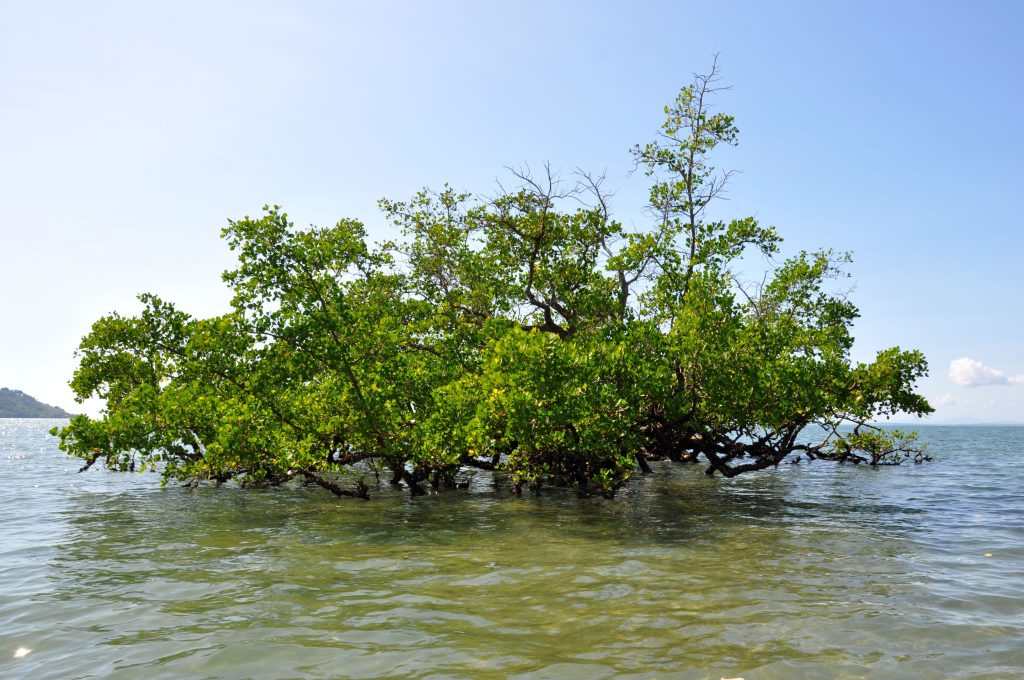
Mangrove systems at Kirindy Mite, Mahajanga and along the Pangalanes support crabs, waders and juvenile fish, functioning as nurseries for species that later move to the reefs.
Sharks and Swimming Safety
Shark risk in Madagascar attaches to particular places rather than the coast as a whole, and is worth knowing precisely.
The Bay of Antongil around Masoala has a recognised reputation, and guides direct where swimming is safe. Toamasina’s city beaches on the east coast are unsafe for swimming, with sharks among several reasons alongside currents and port pollution.
Elsewhere the reef sites around Nosy Be, Sainte-Marie, Ifaty and the Emerald Sea are used routinely without incident, and island lagoons inside reefs are calm and safe.
Nile crocodiles are a freshwater rather than marine concern, occurring in rivers and lakes including the Manambolo and Lac Ravelobe at Ankarafantsika, where swimming is not permitted.
The practical rule is to swim where residents swim and to ask at each new location rather than assuming.
Reef-safe sunscreen matters more in Madagascar than at most destinations, since the best snorkelling sites have coral within a few metres of the beach at Tanikely, Ifaty and the Masoala reserves. Standing on coral kills it, so use a flotation aid rather than resting your feet if you are not a confident swimmer. Taking shells, coral or sand from marine parks is prohibited and exporting them is illegal.
Where to See Marine Life
Nosy Tanikely is the best snorkelling in Madagascar for anyone without a certificate, with protected reef straight off the beach and reliable green turtles.
Nosy Sakatia near Nosy Be is known above all for swimming with green turtles in shallow water, and is quieter than Tanikely.
Masoala’s three marine reserves put around a hundred coral species below rainforest, with turtles, dolphins and dugongs present. Access depends on boat crossings from Maroantsetra that cancel in rough seas.
Ifaty and Mangily have the barrier reef 200 metres offshore, making snorkelling straightforward from the beach, with scuba operators working the outer sites.
Nosy Ve off Anakao holds a breeding colony of red-tailed tropicbirds and reef around it, the accessible seabird site in Madagascar.
Île Sainte-Marie combines reef with wreck diving, given three centuries of shipping around the island, and whale watching in season.

Conservation Pressures
Malagasy reefs face the pressures common across the tropics: warming water, coral bleaching, overfishing and sedimentation from deforestation upstream.
The Betsiboka river illustrates the last of these, emptying into Bombetoka Bay near Mahajanga carrying so much eroded red soil that the plume is visible from the air. Sediment smothers coral and reduces the light reaching it.
Overfishing pressure is real in a country where coastal communities depend on the sea for protein and income. Marine reserves work partly because they provide spillover into surrounding fishing grounds, which gives villages a reason to support them.
Turtles are protected under Malagasy law and both hawksbill and green turtles are threatened, with nesting beaches the weakest point in their life cycle. Nosy Iranja’s village has a direct economic stake in turtles remaining, since the excursion trade is a large part of the island’s income.
Visitor conduct matters practically: reef-safe sunscreen, no standing on coral, no lights on nesting beaches, no taking shells or coral, and choosing operators who brief their guests properly.
Frequently Asked Questions
Where is the best marine life in Madagascar?
Nosy Tanikely for protected reef with turtles straight off the beach, Masoala for around a hundred coral species below rainforest, Nosy Hara for limestone islands with reefs in good condition and few visitors. Ifaty has the longest barrier reef. All are snorkellable without a certificate.
Will I see turtles?
In the water, very likely, since green turtles feed around the reefs year-round and are routine at Nosy Tanikely and Nosy Sakatia. Nesting females and hatchlings are different, requiring the right season and an overnight stay at Nosy Iranja or Baie de Baly, since both happen after dark or at dawn.
When can I see whales?
Humpbacks from roughly July to September, with the channel off Île Sainte-Marie the most reliable viewing anywhere in the Indian Ocean. Whale sharks are separate, appearing off Nosy Be from around September into December, and swimming with those is permitted since they are filter-feeding fish.
Are there dangerous sharks?
Risk is specific rather than general. The Bay of Antongil around Masoala has a recognised reputation and Toamasina’s city beaches are unsafe for swimming. The reef sites around Nosy Be, Sainte-Marie, Ifaty and the Emerald Sea are used routinely. Swim where residents swim and ask at each new location.
Can I swim with whale sharks?
Yes, off Nosy Be from around September into December. They are filter-feeding fish and swimming with them is permitted, unlike humpback whales which are watched from boats. Operator conduct varies considerably, so ask how many people they put in the water at once and how they manage distance.
What is the coelacanth in Toliara?
A specimen caught off Anakao in the nineties, held at the Rabesandratana oceanographic museum inside the marine sciences institute. The species was thought extinct for sixty-five million years before its rediscovery, and the museum is worth an hour for that alone.
Are the reefs healthy?
Variable. Reefs inside long-established marine reserves at Tanikely, Nosy Hara and Masoala have recovered properly and the difference is visible immediately. Elsewhere warming water, overfishing and sedimentation from upstream deforestation have taken a toll. The Betsiboka river plume near Mahajanga is visible from the air.
How can I visit responsibly?
Reef-safe sunscreen, since the best sites have coral within metres of the beach. Never stand on coral. No torches or camera flashes on nesting beaches, which disorient hatchlings. Do not take shells, coral or sand, which is prohibited in marine parks and illegal to export. Choose operators who brief their guests.
Planning Your Trip
Madagascar’s marine life rewards choosing the right sites rather than the right season, since turtles and reef fish are present year-round while whales fix you to a narrow window. The protected reserves deliver considerably more than unprotected coast, and the difference is obvious in the water.
Booking Your Madagascar Trip
The safari companies and tour operators listed on this website put trips like this together for a living and know which camps, guides and routes actually deliver. We are an independent guide to Madagascar; we do not book or sell tours ourselves.
When you are ready, arrange your safari, tour or holiday with one of the recognised operators listed here. Tell them your dates and what matters most, and a real person, not a form, will handle the itinerary, park bookings and logistics for you.