Conservation and Responsible Travel in Madagascar
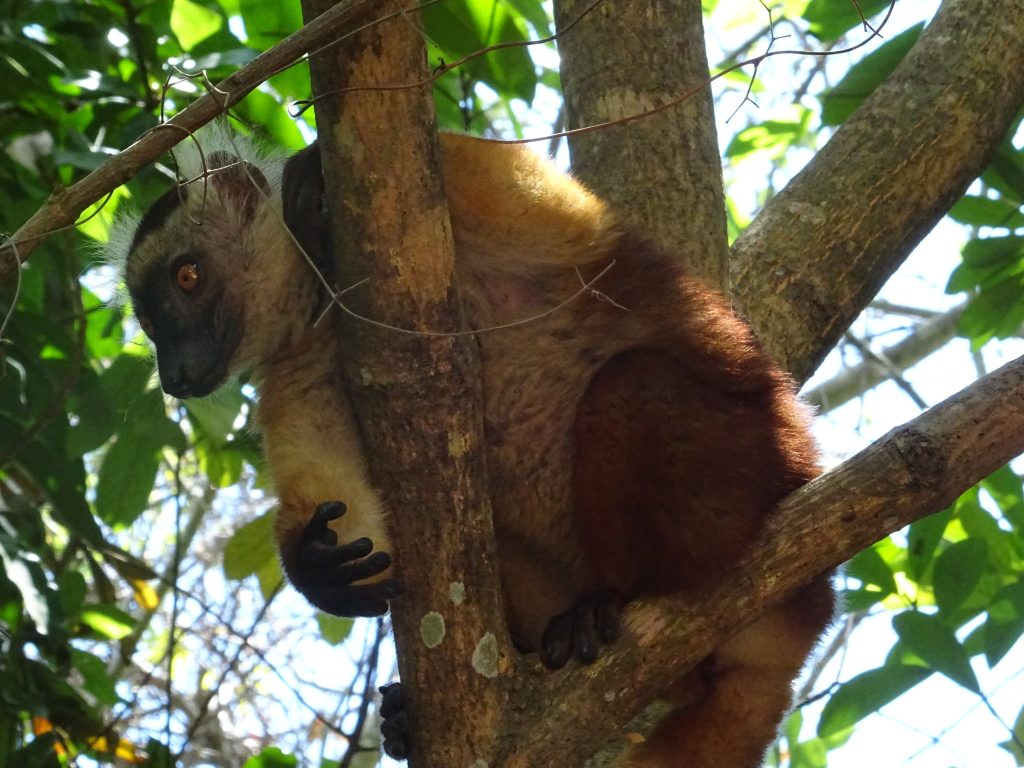
Madagascar has lost most of its original forest cover, and the species that make it worth visiting are among the most threatened on earth. Park fees and guide charges are the practical counterweight, since they give communities an economic reason to keep forest standing. Anja Community Reserve shows what that looks like when it works: villagers took on management in 2001 and the lemur population recovered.

What Is Actually Happening to the Forest
Forest cover in Madagascar has been reduced to a fraction of its original extent, and the pressures are agricultural clearance, charcoal production and fire rather than commercial logging alone.
Around Toliara something in the order of 15,000 hectares of dry forest are cleared each year for fuel, much of it illegally, against reforestation efforts a fraction of that size. Satellite monitoring has recorded substantial tree cover loss across the Mikea forest area.
The Betsiboka river near Mahajanga illustrates the downstream effect, carrying so much eroded red soil that the plume is visible from the air. Sediment smothers coral reefs and reduces the light reaching them.
Dry deciduous forest in the west is among the most threatened habitat types in the world, and littoral forest along the east coast survives only in fragments.
The species consequences are direct. Lemurs are among the most threatened mammal groups on earth. The fossa is vulnerable with projections in the literature suggesting decades rather than centuries. Baobab populations are ageing without regeneration on grazed farmland.
A stand full of mature baobabs with no young trees coming through looks healthy and is not. The seedlings fail on grazed land, so the population ages without replacement.
How Visitor Money Reaches Conservation
Park fees and guide charges are the mechanism that connects tourism to protection, and the connection is more direct in Madagascar than in many countries.
Entry fees at Madagascar National Parks properties fund the protection system, and a share is designated for surrounding communities. Guide fees go to accredited local guides, most of whom come from villages beside the parks.
At Lokobe on Nosy Be, park revenue has funded solar lighting at Ampasipohy and Antafondro, water and sanitation work at Marodoka, school maintenance at Ambatozavahy and pirogues for fishermen at Ambanoro.
At Baie de Baly, around fifty people work on protecting the ploughshare tortoise inside the park, and visitor fees contribute to that.
The logic is straightforward: the alternative to a community earning from standing forest is usually the community clearing it. That is the argument for paying park fees rather than looking for ways around them.

Community-Run Reserves
Several of Madagascar’s best sites are owned and run by villages rather than the state, and these channel money most directly.
Anja Community Reserve near Ambalavao is the outstanding example. In the late nineties clearing and hunting were destroying both the forest and its ring-tailed lemurs. Local Betsileo families formed the Anja Miray Association, took on management of around thirty hectares themselves, trained guides from among their own number and kept the revenue.
The lemur population recovered to the point where this small patch now holds a higher density than anywhere else in Madagascar. The association funds village projects from visitor income and has extended the protected area through reforestation.
VOIMMA and Mitsinjo at Andasibe operate on the same model and are where the night walks happen, since the national park closes its gates in the afternoon.
Honko near Toliara runs mangrove boardwalk tours, the Mandrare valley camps near Fort Dauphin work with Antandroy communities, and villages around Tsingy de Namoroka host visitors directly.
Money stays local. Anja Community Reserve, VOIMMA and Mitsinjo at Andasibe, Honko near Toliara, the Mandrare valley camps, village accommodation near Namoroka. Owned and run by the communities protecting the forest.
Buy direct from makers. Nosy Komba’s woodcarvers, the Antemoro paper workshop at Ambalavao, Antsirabe’s zebu horn and recycled tin workshops, Ambositra’s Zafimaniry carvers. More of the price reaches the person who made it.
The Wildlife Interaction Question
Feeding and handling wildlife is contested in Madagascar and worth deciding on before you book rather than at the moment it happens.
Inside national parks, feeding and touching are prohibited and enforced. Guides will stop you and the rule is clear.
At some village-run sites and private facilities, habituated lemurs are called down with bananas and will climb on visitors. Nosy Komba‘s community reserve and the Vakona island near Andasibe both work this way.

Berenty near Fort Dauphin has ring-tailed lemurs habituated to the point of sitting on bungalow verandas, though they are not fed by visitors.
Palmarium on the Pangalanes provisions aye-ayes on a small island for night viewing, which is where most aye-aye photographs from Madagascar come from and is reliable rather than wild.
Opinion divides genuinely. The revenue funds communities protecting forest, and animals in visibly good condition are not obviously suffering. Against that, habituation changes behaviour and the interaction is arranged for visitors rather than occurring naturally.
Travellers uncomfortable with it can choose Lokobe over Nosy Komba’s reserve and Anja over Berenty, seeing the same species without the interaction. That choice is available and worth making deliberately.
Exporting wildlife or wildlife products from Madagascar is illegal and prosecuted. This covers tortoises and reptiles, which are trafficked at scale, along with lemur products, rosewood and protected timbers, and shells, coral or sand taken from marine parks. Buying from a vendor does not make exporting lawful. Precious stones require documentation and vanilla is subject to quantity limits.
Practical Conduct on a Trip
A short list covers most of what a visitor can actually do.
Stay on trails. Off-path walking compacts soil and damages vegetation, and at the Avenue of the Baobabs root systems are already under pressure from visitor numbers.
Use reef-safe sunscreen at the marine sites, where coral sits within metres of the beach at Tanikely, Ifaty and the Masoala reserves. Never stand on coral.
No lights on nesting beaches. Torches and camera flashes disorient hatchling turtles heading for the sea at Nosy Iranja and Baie de Baly.
Use flash sparingly on night walks and never repeatedly on one animal. Nocturnal lemurs have eyes adapted to very low light. Some operations prohibit it entirely.

Do not handle animals. Chameleons darken visibly from stress, amphibian skin is permeable and harmed by skin oils and repellent, and reputable guides do not pick animals up.
Carry out rubbish, particularly at the remote camps where nobody else will.
Clean boots between parks if asked, since chytrid fungus affecting amphibians spreads on wet gear.
Choosing Operators and Guides
Who you book with affects where the money goes and how the wildlife is treated.
Book accredited park guides at the gate office rather than accepting informal offers nearby. Accredited guides are trained, work within a system with accountability, and their fees contribute to the park.
Ask boat operators how they handle whale watching before booking: how close they go, how many boats will be on a sighting, whether they cut engines when animals come near, whether they pursue groups that move away. Compliance with observation guidelines varies.
For the lemur sites where feeding happens, ask directly whether the walk is inside the national park boundary or in a village-run area, since the rules differ entirely.
Operators who brief guests on fady, sacred sites and photography restrictions are usually the ones taking the rest of it seriously too.
One thing worth resisting is the impulse to treat every choice as a moral test. Madagascar’s conservation problems are structural, driven by poverty and population pressure rather than by visitor behaviour, and no amount of careful tourism resolves them. What a traveller controls is small but real: where the money goes, and whether the animals are left alone.
Frequently Asked Questions
Does visiting Madagascar help or harm conservation?
On balance it helps, because park fees and guide charges give communities an economic reason to keep forest standing, and the alternative is usually clearing it. Anja Community Reserve is the clearest case, where villagers took on management in 2001 and the lemur population recovered. The caveat is choosing operators and sites that channel money locally.
Where does my park fee go?
Entry fees fund the Madagascar National Parks protection system with a share designated for surrounding communities. Guide fees go to accredited local guides, most from villages beside the parks. At Lokobe, park revenue has funded solar lighting, water and sanitation work, school maintenance and pirogues for fishermen in the surrounding villages.
Is lemur feeding acceptable?
It is contested and worth deciding for yourself. Feeding is prohibited and enforced inside national parks. At Nosy Komba’s community reserve and the Vakona island near Andasibe, habituated animals are called down with bananas. Revenue funds communities protecting forest, which is the argument in favour. Lokobe and Anja offer the same species without the interaction.
What should I not buy?
Anything derived from wildlife, including tortoises, reptiles and lemur products, all illegal to export and prosecuted. Rosewood and protected timbers. Shells, coral and sand from marine parks. Precious stones need documentation and vanilla is subject to limits. Buying from a vendor does not make exporting lawful.
How can I make my money reach communities?
Visit the community-run reserves at Anja, VOIMMA, Mitsinjo, Honko and the Mandrare valley camps, which are village-owned with revenue staying local. Buy handicrafts directly from makers at Nosy Komba, Ambalavao and Antsirabe rather than through shops. Tip guides, drivers and porters, which is expected and not included in quoted rates.
What is the biggest threat to Madagascar’s wildlife?
Habitat loss, driven by agricultural clearance, charcoal production and fire rather than commercial logging alone. Around Toliara roughly 15,000 hectares of dry forest are cleared each year for fuel. Species with small ranges have nowhere to move when a single valley goes.
Should I avoid Berenty because of the habituation?
Reasonable people disagree. Berenty protects a genuinely rare forest type that would otherwise have gone to sisal, funds a museum and employs locally, and the lemurs are wild rather than captive. Against that, the habituation is extreme and the area small. Anja and the Mandrare valley camps are the alternatives if it troubles you.
What can I actually do on a trip?
Stay on trails, use reef-safe sunscreen, keep lights off nesting beaches, use flash sparingly on night walks, do not handle animals, carry out rubbish at remote camps, clean boots between parks if asked, book accredited guides at gate offices, and buy nothing derived from wildlife. None of it is onerous.
Planning Your Trip
Conservation in Madagascar is not an abstraction, since the forest that holds the wildlife is disappearing at a rate that visitors can see from the road. What a traveller controls is where the money goes, and choosing community-run reserves and accredited guides is the version of that decision that reaches the people protecting the forest.
Booking Your Madagascar Trip
The safari companies and tour operators listed on this website put trips like this together for a living and know which camps, guides and routes actually deliver. We are an independent guide to Madagascar; we do not book or sell tours ourselves.
When you are ready, arrange your safari, tour or holiday with one of the recognised operators listed here. Tell them your dates and what matters most, and a real person, not a form, will handle the itinerary, park bookings and logistics for you.