Madagascar The Eighth Continent

Category: Madagascar

Madagascar Photography Guide

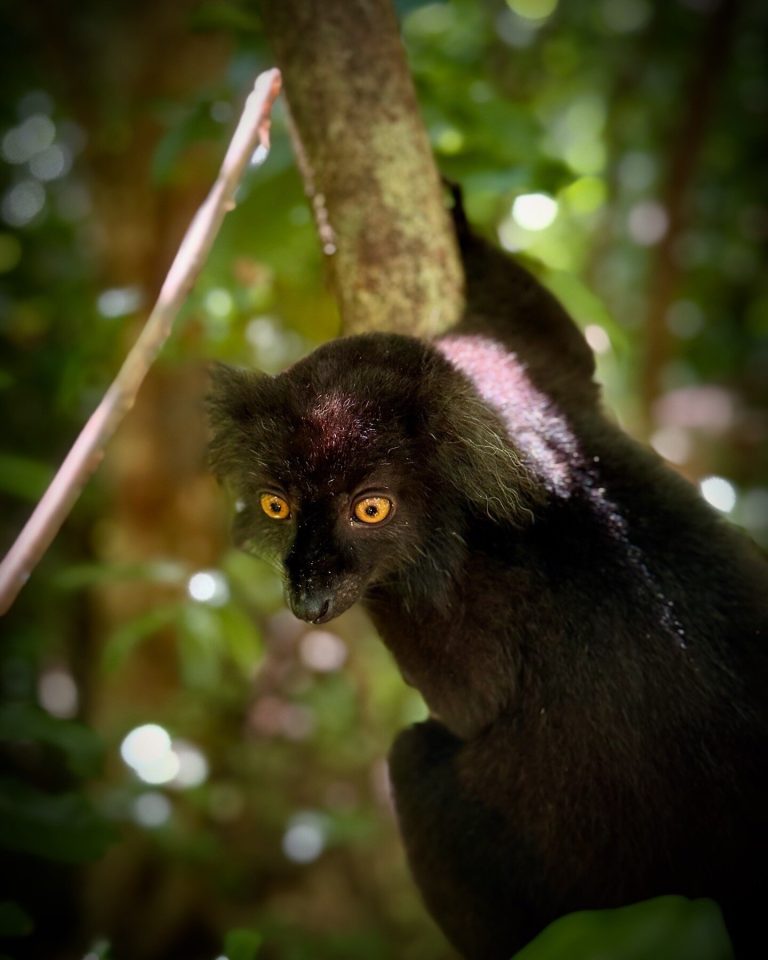
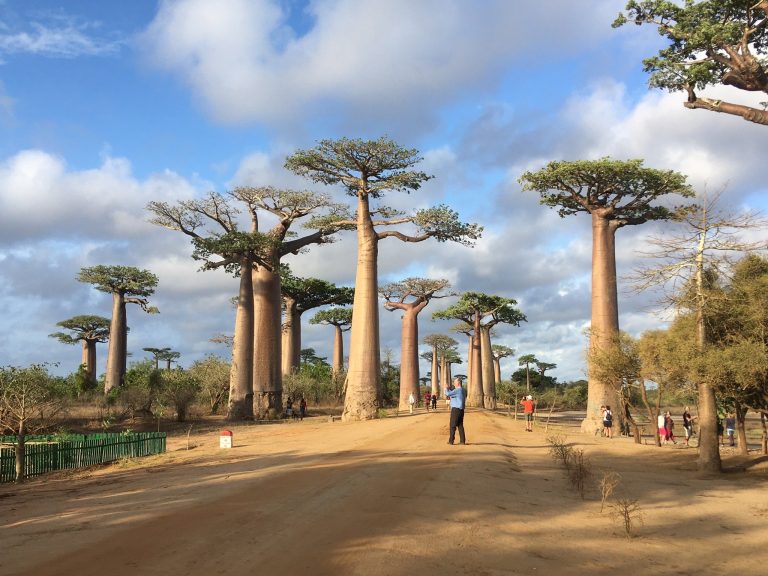
Photographing Madagascar means dealing with dark rainforest, animals forty metres up and light that lasts an hour. The subjects that reward most are lemurs at close range in the southern parks, chameleons on night walks, and the Avenue of the…
Read more
Night Walks and Nocturnal Wildlife in Madagascar

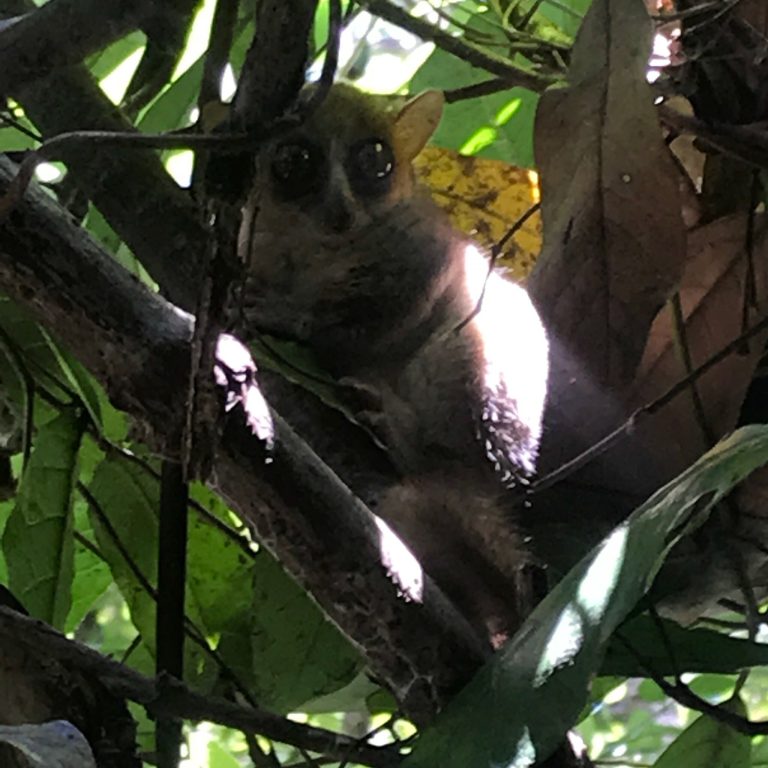
Half of Madagascar's lemur species are nocturnal, along with most of the reptile and amphibian interest, which makes night walks a necessity rather than an optional extra on any wildlife trip. The complication is that they cannot happen inside national…
Read more

Solo Female Travel in Madagascar

Solo female travel in Madagascar is common and works, with the same precautions that apply widely rather than anything peculiar to the country. Guides are compulsory in every national park, which means women rarely walk alone in remote forest, and…
Read more

Western Madagascar

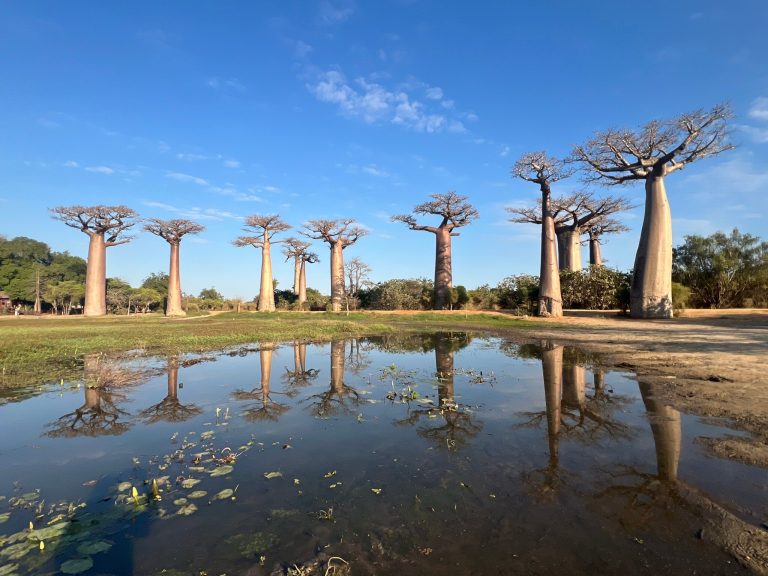
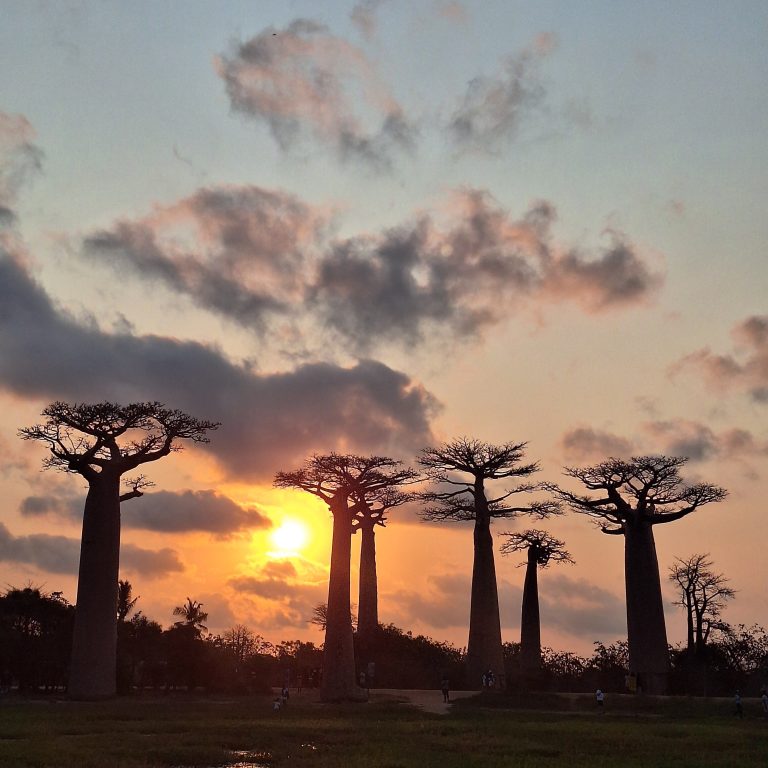
Western Madagascar holds the country's most dramatic scenery and its hardest travel: the Avenue of the Baobabs, the fossa at Kirindy Forest, and the limestone pinnacles of Tsingy de Bemaraha at the end of a road that takes six to…
Read more

Madagascar Practical Information

The practical details that shape a Madagascar trip: park fees are cash in Ariary with no card facility anywhere, tipping is expected and not included in quoted rates, phone coverage disappears at the remote parks, and plastic bags were banned…
Read more

Northern Madagascar

Northern Madagascar packs more variety into short distances than anywhere else on the island: montane rainforest at Amber Mountain, limestone tsingy and caves at Ankarana, red laterite spires at the Tsingy Rouge, and the lagoon and reefs around Diego Suarez…
Read more

Solo Travel in Madagascar

Solo travel in Madagascar works, and the structure of the country helps more than most destinations. Guides are compulsory in every national park, so you are rarely walking alone in remote forest. The practical difficulties are guide fees charged per…
Read more

Whale Watching in Madagascar

Humpback whales migrate to Madagascar between roughly July and September to breed and calve, and the sheltered channel off Île Sainte-Marie offers the most accessible viewing in the Indian Ocean. Whales are often visible from shore and boats reach them…
Read more

Madagascar Visa and Entry Requirements

Almost every visitor needs a visa for Madagascar, available either as an eVisa applied for online before departure or issued on arrival at the international airports. Tourist visas cover stays up to 90 days in tiers of 15, 30, 60…
Read more

Nosy Be

Nosy Be is Madagascar's main island destination, a volcanic island off the northwest coast known for ylang-ylang plantations, white-sand beaches and the string of smaller islands within easy boat reach. Most visitors combine beach time with day trips to Nosy…
Read more