Eastern Madagascar
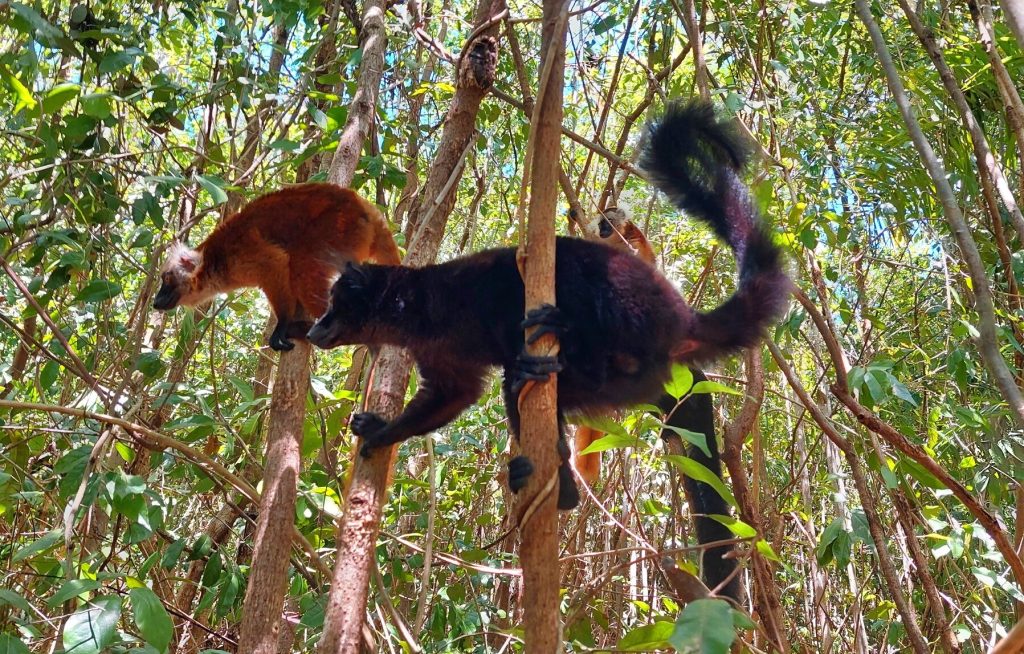
Eastern Madagascar is where the rainforest is, and where the indri lives. Andasibe-Mantadia sits three to four hours from the capital on the best road in the country and delivers the most reliable lemur viewing in Madagascar. Beyond it lie the Pangalanes Canal, the beaches at Foulpointe and the whale channel at Île Sainte-Marie. This is the wettest region and the most cyclone-exposed.
Why the East Suits Short Trips
Andasibe is the single most accessible major park in Madagascar. The RN2 from Antananarivo is sealed the whole way, the drive takes three to four hours, and several indri family groups are habituated enough that morning sightings are close to certain.
That combination makes the east the right choice for anyone with five days, and a natural first stop on longer itineraries. No flights are needed and no four-wheel drive.
Beyond Andasibe the region opens out. Toamasina on the coast is the terminus of the RN2 and the gateway to the Pangalanes, while Île Sainte-Marie offshore holds the most accessible humpback whale watching in the Indian Ocean between July and September.
Three to four hours from the international airport on sealed road, and the indri calls carry three kilometres through the forest. Nothing else in Madagascar is this easy or this reliable.
Andasibe-Mantadia National Park
Andasibe-Mantadia protects 155 square kilometres of montane rainforest across two separate sections, holding fourteen lemur species.
The indri is the draw. The largest living lemur, black and white and tailless, with a call closer to whale song than anything a primate should produce, carrying two to three kilometres and answered by neighbouring groups from dawn until late morning. Over sixty families live in the Analamazaotra section, several habituated.
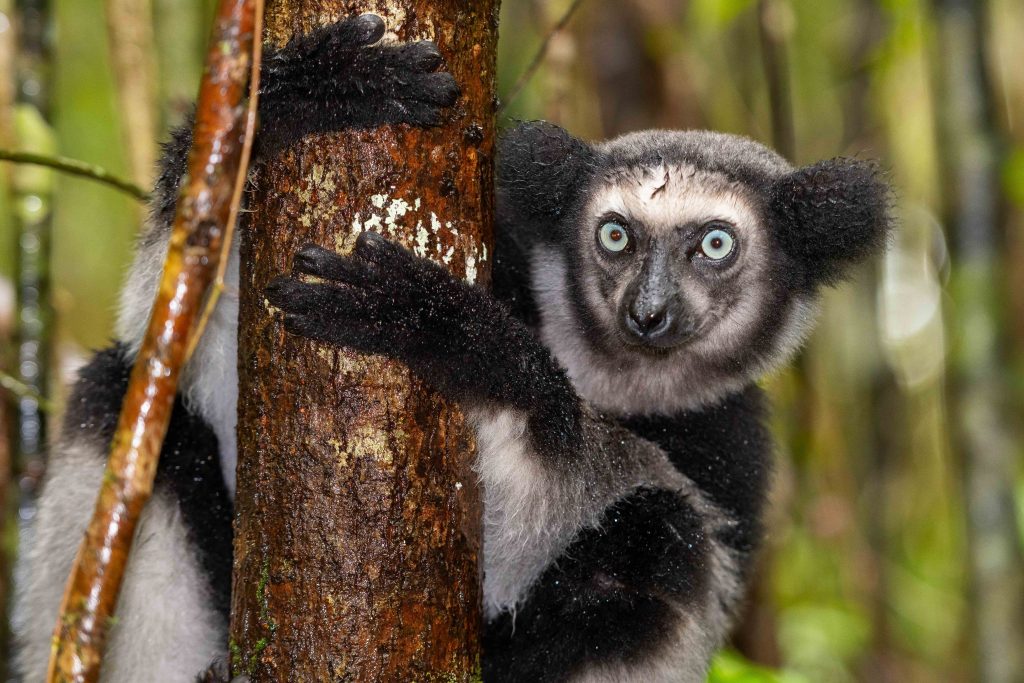
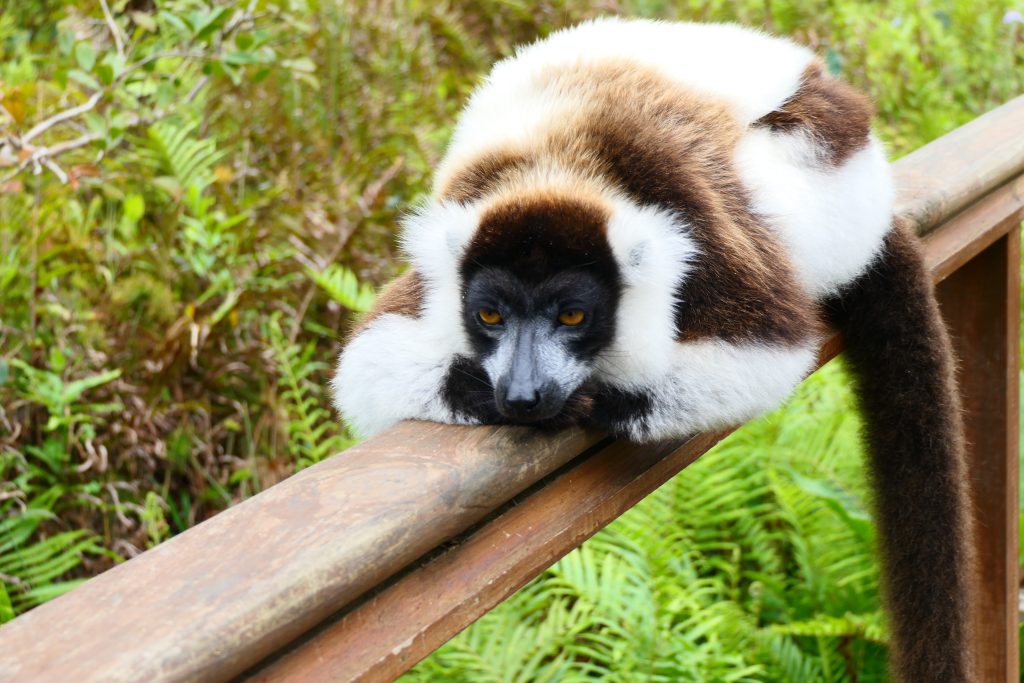
The Analamazaotra circuits run from one to six hours on maintained trails. Mantadia, twenty kilometres north on a rough track, is primary forest with diademed sifaka, black-and-white ruffed lemurs and four ground-roller species, and sees a fraction of the visitors.
Night walks do not happen inside the park, since gates close in the afternoon. They run in the community reserves next door at VOIMMA and Mitsinjo, which are cheaper, quieter and hold the same wildlife.
Zahamena and the Remote Eastern Forests
Zahamena National Park northeast of Ambatondrazaka holds thirteen lemur species including indri, in forest comparable to Andasibe with almost no visitors at all.
The trade-off is access. Two days of rough travel each way from Antananarivo, self-supported camping and no lodge within reach. Fewer than one in a hundred of Madagascar’s travellers set foot here.
Lake Alaotra nearby is Madagascar’s largest lake and holds the bandro, the Lake Alaotra bamboo lemur, which lives in marsh reeds and nowhere else on earth. Dawn canoe trips from Andreba village are run by the community.
For most visitors, Andasibe delivers the same species community in a fraction of the time. Zahamena rewards travellers who have already done the accessible parks and want forest with nobody in it.
The Pangalanes Canal and Palmarium
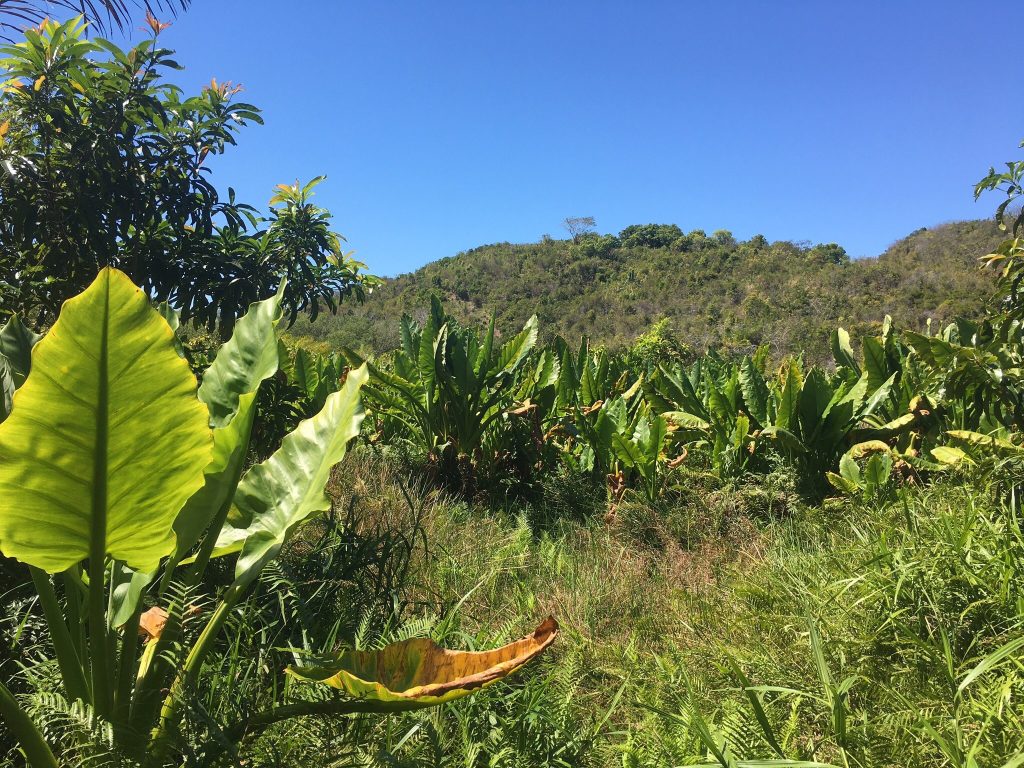
The Canal des Pangalanes is a chain of natural lagoons, rivers and dug channels running parallel to the east coast for several hundred kilometres, built up in the colonial period to move goods without facing the open ocean.
Boat trips run from Toamasina for a half day, a full day or several days heading south, passing village life along the water, fishermen in pirogues and birdlife in the reed margins. Kayaking is the quieter alternative.
Palmarium, three to four hours south along the canal, is where most aye-aye photographs from Madagascar are taken. It is a private reserve where lemurs are fed and habituated and aye-ayes are provisioned on a small island for night viewing. Reliable, and not a wild sighting, which is worth knowing before booking.
Toamasina and the Coast
Toamasina is Madagascar’s largest port and the end of the RN2, with a sprawling central market thick with vanilla and cloves, colonial architecture and pousse-pousse rickshaws.
Do not swim at the city beaches. Strong currents, pollution near the port and sharks make the shoreline unsafe, and this is consistent local advice rather than excessive caution.
Foulpointe, 58 km north, is where people go instead. A coral reef shelters the bay, making it one of the few genuinely safe swimming spots on this coast, with white sand and snorkelling over the reef.
Ivoloina Park just outside Toamasina combines a zoological collection with rainforest trails and free-roaming lemurs, and works as a half day for anyone whose itinerary lacks a national park.
Île Sainte-Marie and Whale Season
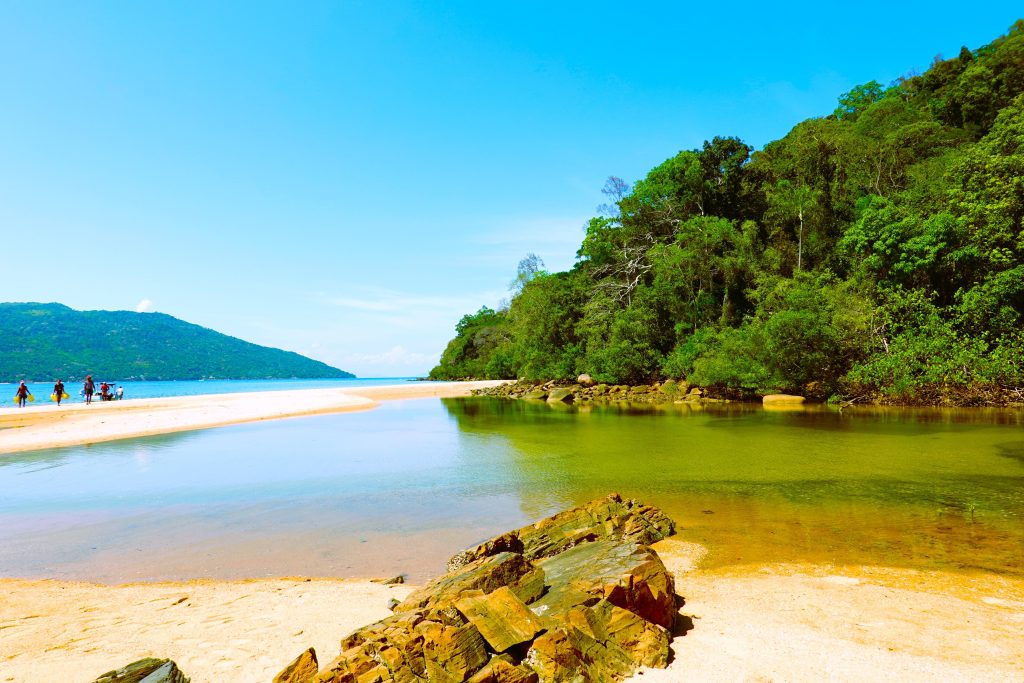
Île Sainte-Marie, known in Malagasy as Nosy Boraha, lies about 8 km off the coast and offers the most accessible humpback whale watching in the Indian Ocean.
Between July and September whales migrate up from Antarctic waters to breed and calve in the sheltered channel between the island and the mainland. Sightings are close to certain, animals are often visible from shore, and some operators run trips by sea kayak.
The island also holds the world’s only pirate cemetery, on a hillside above the Baie des Forbans where the Indian Ocean piracy of the late seventeenth century was centred. Île aux Nattes off the southern tip has no roads and no cars, and holds what many rate the finest beaches in Madagascar.
Reaching Sainte-Marie means flying from Antananarivo or taking the ferry from Soanierana Ivongo, a crossing of around two hours that is frequently rough and sometimes cancelled.
Five days. Antananarivo and two nights at Andasibe. Indri, night walks, Mantadia if you have the vehicle. No flights, no rough roads, and the best short trip available in Madagascar.
Ten days. Adds Toamasina, the Pangalanes and an overnight at Palmarium for the aye-aye, or a beach stay at Foulpointe. The RN2 drive is the spine.
Two weeks. Adds Île Sainte-Marie, ideally in whale season, or the northeast rainforests at Masoala and Marojejy for red ruffed lemurs and silky sifaka. Both need flights and buffer days.
The Northeast: Masoala and Marojejy
The far northeast is technically part of the eastern rainforest belt and travels like a separate country.
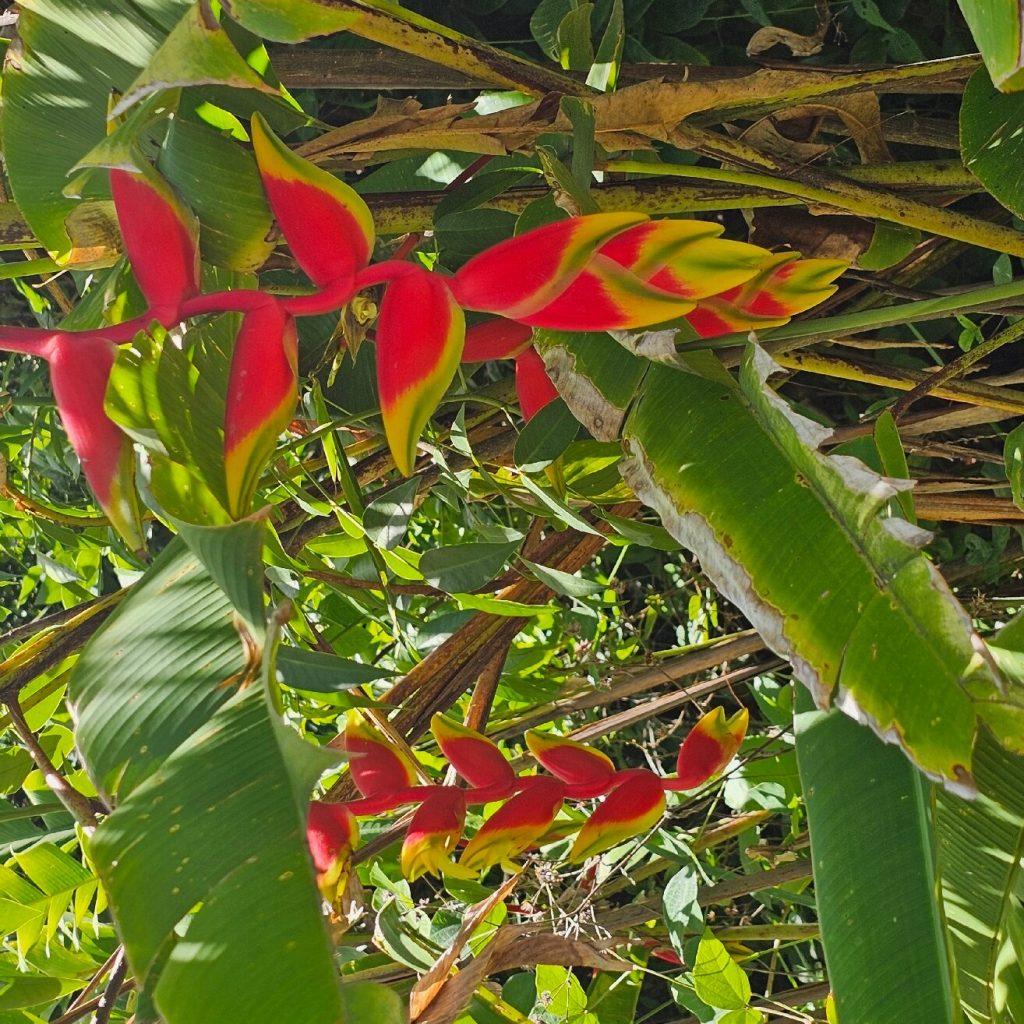
Masoala National Park is the largest protected area in Madagascar, coastal rainforest running down to coral reefs, reached only by boat from Maroantsetra. Red ruffed lemurs live here and nowhere else, and Nosy Mangabe island holds the aye-ayes introduced in 1966.
Marojejy National Park holds the silky sifaka, fewer than two thousand animals surviving in this forest and one neighbouring reserve. Seeing one means three to four days of trekking between mountain camps with a specialist tracker hired alongside your guide.
Both need flights to Maroantsetra or Sambava, both depend on weather, and both belong on a month-long itinerary rather than a fortnight.
The east takes the brunt of Madagascar’s cyclones, which make landfall mainly between January and March. Recent seasons have cut the RN2 between Antananarivo and Toamasina, stopped ferries and disrupted flights. If your dates fall in that window, build slack into the schedule, avoid tight connections and check road status before travelling.
Best Time to Visit Eastern Madagascar
This is the wettest part of Madagascar with rain in every month, so timing is about degree rather than avoidance.
April to June. Rains easing, forest at its greenest, trails drying. Reptiles and amphibians still active. Low visitor numbers and good value. A strong window for Andasibe.
July to September. Cooler and drier, with the most reliable conditions. Whale season at Sainte-Marie, which is the main reason to choose these months. Book the island well ahead.
September to November. The strongest overall for wildlife. Infant lemurs appear, birds are breeding and calling, orchids flower and reptiles are active again. Trails get busy at Andasibe in October.
December to March. Wettest and cyclone-exposed. January peaks around 313 mm at Andasibe. Frogs and reptiles are at their most active and night walks excellent, but roads and ferries become unreliable.
Frequently Asked Questions
How long do I need in eastern Madagascar?
Two nights at Andasibe covers the indri, a night walk and Mantadia, which is enough for a short trip. Ten days adds the Pangalanes and the coast. Two weeks lets you include Sainte-Marie for whales or push into the northeast for Masoala and Marojejy, both of which need flights and buffer days.
What does an eastern trip cost?
Andasibe entry is 45,000 Ariary per adult per day with children under twelve at 25,000, plus guide fees of roughly 20,000 to 40,000 per group by circuit. Night walks in the community reserves cost around 20,000 to 25,000. Accommodation near the park runs 30 to 100 US dollars. A vehicle and driver from the capital is the main expense, and no flights are needed for Andasibe.
Is Andasibe worth it if I am short on time?
It is the best short trip in Madagascar. Three to four hours from the international airport on sealed road, with several habituated indri groups making morning sightings close to certain. Two nights delivers the animal most associated with the country plus night walks and a strong reptile list.
Can I see an aye-aye in the east?
Reliably only at Palmarium on the Pangalanes Canal, where animals are provisioned on a small island for night viewing. Wild aye-ayes occur at Ranomafana, Masoala, Zahamena and elsewhere but are almost never encountered. Palmarium is where most photographs come from and is honest about what it offers if you ask.
When is whale season at Sainte-Marie?
Roughly July to September, when humpbacks breed and calve in the channel between the island and the mainland. Sightings are close to certain and whales are frequently visible from shore. Hotels and boats book out months ahead for this window, and prices rise accordingly.
Should I fly or take the ferry to Sainte-Marie?
Fly if you can. The ferry from Soanierana Ivongo takes around two hours across water that is often rough, and cancellations are common in poor weather. The overland drive to reach the ferry port is also long. Flights are limited in number, so book early, particularly in whale season.
Is it safe to swim on the east coast?
Not at Toamasina, where currents, port pollution and sharks make the city beaches unsafe. Foulpointe 58 km north has a sheltering reef and is where people swim. On Sainte-Marie and Île aux Nattes the lagoon inside the reef is calm and safe. Take local advice anywhere else.
How do cyclones affect travel here?
Considerably, between January and March. Storms have cut the RN2, stopped ferry crossings and disrupted flights in recent seasons. The east and northeast are the most exposed parts of Madagascar. Travelling in that window means building slack into the schedule and avoiding tight connections.
Planning Your Trip
The east is the easiest region in Madagascar to reach and the hardest to predict, since rain and cyclones shape it more than anywhere else. Andasibe on its own justifies the trip, and everything beyond it should be planned with a buffer day or two in hand.
Booking Your Madagascar Trip
The safari companies and tour operators listed on this website put trips like this together for a living and know which camps, guides and routes actually deliver. We are an independent guide to Madagascar; we do not book or sell tours ourselves.
When you are ready, arrange your safari, tour or holiday with one of the recognised operators listed here. Tell them your dates and what matters most, and a real person, not a form, will handle the itinerary, park bookings and logistics for you.