Birds of Madagascar and Where to See Them
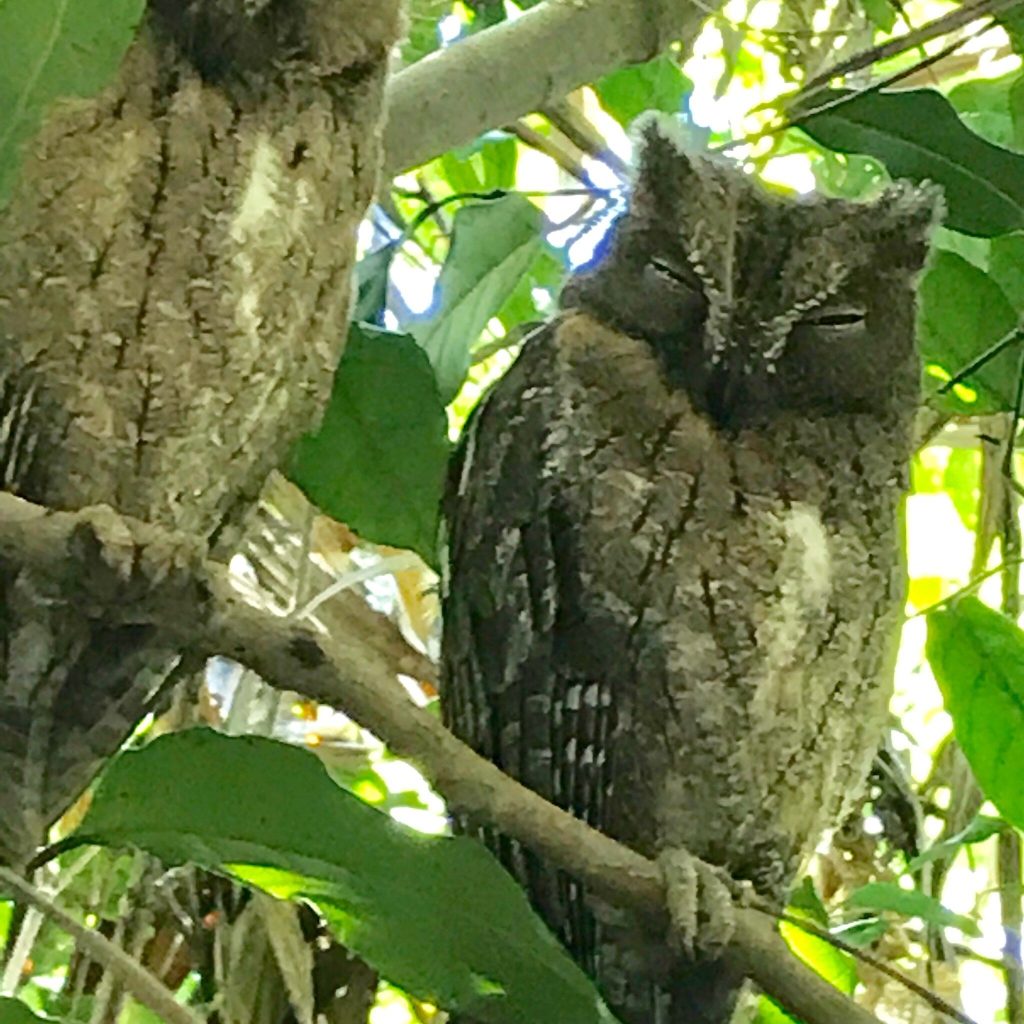
Madagascar holds close to 300 bird species with well over half found nowhere else, including five families that exist only here. The prizes are the ground-rollers, the vangas, the mesites and the asities, most of them located by call in dense forest. Serious birders build trips around Ranomafana, Marojejy, Ankarafantsika and the spiny forest, and a good guide matters more here than anywhere else in the country.
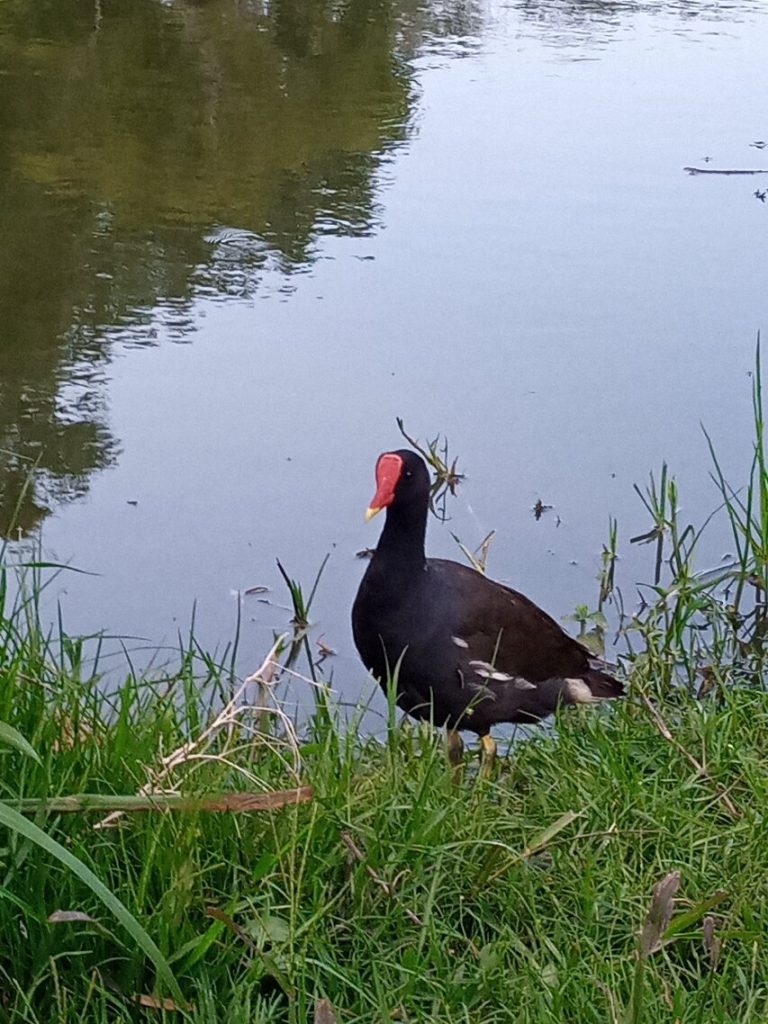
Birding Safaris and the Endemic Families
What makes Madagascar exceptional for birders is not the total count, which is modest for a country this size, but the number of entire families found only here.
The ground-rollers are the flagship, five species of skulking forest birds that walk more than they fly. The vangas are a textbook case of adaptive radiation, a single ancestral colonist that diversified into forms filling niches occupied by shrikes, nuthatches and woodpeckers elsewhere.
The mesites are three species of ground-dwelling birds with no close relatives anywhere. The asities are small forest birds, the males in breeding plumage carrying brilliant coloured wattles around the eye. The couas are large ground and canopy cuckoos, several of them common enough to see without effort.
Five bird families exist only in Madagascar. Nowhere else of comparable size offers a birder that many groups with no equivalent anywhere on earth.
Ground-Roller Birding Tours
The five ground-rollers are the birds that pull specialists to Madagascar, and they are hard work. Four are forest species and one lives in spiny thicket, and all are located primarily by call.
Pitta-like, scaly, short-legged and rufous-headed ground-rollers occupy the eastern rainforests. Mantadia, the northern section of Andasibe-Mantadia, holds all four and is the standard site, though the rough access track means most visitors never go. Ranomafana and Marojejy both carry three or four.
The long-tailed ground-roller is the odd one out, living in the spiny forest of the southwest at Mikea National Park and around Ifaty, where the reserves near the coast road hold it alongside the subdesert mesite.
Booking a bird specialist is not optional for these. General park guides are excellent on lemurs and reptiles, and ground-rollers are a different discipline entirely.
Vanga Watching and the Forest Endemics
The vangas are the family birders find most interesting once they arrive. Around twenty species have evolved from a single colonisation, ranging from the heavy-billed helmet vanga to the slender sickle-billed vanga and the nuthatch vanga that works trunks like its namesake.
The helmet vanga, with its enormous blue bill, is the one people travel for. Marojejy and Masoala in the northeast are the reliable sites, both requiring serious commitment to reach.
Van Dam’s vanga is restricted to a handful of western dry forests, with Ankarafantsika the accessible site and the reason many birders build it into an itinerary. Bernier’s vanga, Pollen’s vanga and the rufous vanga fill out a list that rewards time in one forest rather than a fast circuit.
Where to Go Birding in Madagascar
Eastern rainforest. Andasibe-Mantadia, Ranomafana, Marojejy, Masoala. Ground-rollers, asities, helmet vanga, cryptic warbler, Madagascar serpent-eagle and red owl. The richest lists and the hardest conditions, with most birds located by call.
Western dry forest. Ankarafantsika, Kirindy, Zombitse, Ankarana. Van Dam’s vanga, Schlegel’s asity, white-breasted mesite, Coquerel’s coua. Open vegetation makes birds far easier to see than in rainforest, and lists build fast.
Spiny forest and wetlands. Mikea, Ifaty reserves, Tsimanampetsotsa, Lake Alaotra. Long-tailed ground-roller, subdesert mesite, Madagascar plover, flamingos and waterbirds. A completely separate community from the forest species.
Ankarafantsika deserves particular mention. Known locally as the kingdom of birds, it records 129 species with around 75 endemic, sits directly on a sealed road between Antananarivo and Mahajanga, and has flat easy trails. For effort expended it is the best birding in Madagascar.
Raptors, Waterbirds and Coastal Species
The Madagascar fish eagle is among the rarest raptors in the world, with a small population concentrated in the northwest. Lake Ravelobe at Ankarafantsika is the accessible site, and Baie de Baly and the Namoroka area hold others.
The Madagascar serpent-eagle was thought extinct until rediscovered, and Masoala and Marojejy are the sites. Henst’s goshawk, Frances’s sparrowhawk and the banded kestrel are the more findable forest raptors.
Waterbirds concentrate at the lakes. Tsimanampetsotsa’s soda lake holds greater and lesser flamingos, the Madagascar plover breeds along its margins, and Lake Alaotra and the Pangalanes wetlands hold ducks, herons and the elusive slender-billed flufftail. Meller’s duck and the Madagascar snipe are marsh specialists that take patience.
Birding Guides and Why They Matter
In most countries a bird guide is a convenience. In Madagascar’s rainforests it is the difference between a good trip and a frustrating one.
The reason is acoustic. Ground-rollers, mesites and several vangas are located almost entirely by call in vegetation dense enough that visual searching fails. A guide who knows the calls will find four species where one who does not finds none.
Ask for a bird specialist by name when booking rather than accepting whoever is next in the rotation at the gate. Park offices at Andasibe, Ranomafana, Marojejy and Ankarafantsika all have guides who work birds as their speciality, but they are not the default assignment.
Start before dawn. Forest birds are most vocal in the first two hours of light and activity drops sharply once the sun is up. On the exposed western and southern sites, the early start also avoids the heat that shuts everything down by mid-morning. A pre-dawn departure is the single most useful habit for birding in Madagascar.
Couas, Asities and the Birds You Will Actually See
Not everything requires a trek. Several endemic families produce birds common enough that a general park walk turns them up, which matters for travellers whose interest is broad rather than specialist.
The couas are the most visible group, large cuckoo relatives split between ground-dwelling and canopy species. The giant coua walks the trails at Berenty, the blue coua works the eastern rainforest canopy, and Coquerel’s and red-capped couas turn up in the west. All are big enough and bold enough to see without specialist help.
The asities are smaller and harder but findable. Velvet asity and common sunbird-asity occur at Andasibe and Ranomafana, and Schlegel’s asity is reliably reported on the Ambatofolaka circuit at Tsingy de Namoroka.
Beyond the endemic families, the Madagascar paradise flycatcher is common and striking, with males carrying long tail streamers. The Madagascar crested ibis appears in several dry forests, the Madagascar blue pigeon in the eastern canopy, and Madagascar bee-eaters and kingfishers along watercourses.
Best Time for Birding in Madagascar
September through December is the strongest window. Birds are breeding, which means they are calling, and calling birds in dense forest are findable birds.
The dry season from June to August offers comfortable conditions and reliable access but quieter forests, since the birds are not defending territories or attracting mates. Lists are shorter for the same effort.
January to March brings the wettest conditions and cyclone risk on the east, with several sites hard to reach. Some migratory species arrive in this window, but the access difficulties usually outweigh the gain for a visiting birder.
April and May are a workable shoulder, with rains easing, trails improving and some vocal activity persisting.
Birding the Islands and Coastal Sites
The offshore islands add species the mainland forests cannot, and several fit easily into a wider itinerary.
Nosy Ve, reached by boat from Anakao in the southwest, holds a breeding colony of red-tailed tropicbirds and is the accessible seabird site in Madagascar. Nosy Tanikely and the Nosy Be archipelago produce terns, herons and coastal species alongside their snorkelling.
Île Sainte-Marie and the Masoala coast are worth birding for the forest edge species where rainforest meets shore, a combination that occurs almost nowhere else. Madagascar pratincoles work the rivers and coastal flats on the east.
The wetlands behind the coasts are the underrated habitat. The Pangalanes lagoons, Lake Alaotra and the mangroves at Kirindy Mite and Mahajanga all hold waterbirds, herons, ducks and rails that the forest circuits miss entirely.
Frequently Asked Questions
How many bird species does Madagascar have?
Close to 300, with well over half found nowhere else. The number is modest for a country this size, but five entire families are endemic, including the ground-rollers, vangas, mesites, asities and the Malagasy warblers. That family-level uniqueness is what draws specialists rather than the raw total.
Where should a birder go first?
Ankarafantsika for the best return on effort, with 129 species, flat trails and a position directly on a sealed road. Ranomafana and Mantadia for eastern rainforest species including ground-rollers. Marojejy or Masoala for the helmet vanga and serpent-eagle if you have the days for a serious trek.
Do I need a specialist bird guide?
Yes, in the rainforests particularly. Ground-rollers, mesites and several vangas are located almost entirely by call in vegetation too dense for visual searching. Ask for a bird specialist by name when booking, since the default assignment at park gates is a general guide who will be excellent on lemurs and reptiles but not on birds.
When is the best time for birding?
September through December, when breeding activity means birds are calling and so are findable. June to August offers comfortable conditions and easier access but quieter forests and shorter lists. January to March is wet with difficult access on the eastern side.
What does a birding trip cost?
Park entry is typically 45,000 Ariary per adult per day with guides charged separately per group by circuit, and a specialist bird guide may cost more than the standard rate. Multi-day sites like Marojejy add porters and camp fees. The dominant costs are vehicle hire and domestic flights, since the best sites are scattered across the country.
What is the hardest bird to find?
The Madagascar red owl and the serpent-eagle are both exceptionally difficult, with Masoala and Marojejy the realistic sites. The slender-billed flufftail in marsh habitat takes patience and luck. Among the ground-rollers, the rufous-headed is usually rated the hardest of the forest species.
Can I combine birding with general wildlife watching?
Easily, and most visitors do. Ranomafana, Andasibe, Ankarafantsika and Masoala all deliver lemurs and birds from the same circuits. The compromise is timing, since birding rewards pre-dawn starts and slow quiet walking while lemur watching tolerates a later pace. Booking two guides for a group with mixed interests solves it.
What equipment do I need?
Binoculars are non-negotiable, with eight or ten times magnification suiting dense forest and poor light. A field guide to Madagascar’s birds, since the endemics appear in no other regional guide. A recording device is useful for call playback where guides permit it, though this should be used sparingly and never during breeding.
Planning Your Trip
Birding in Madagascar comes down to two decisions: travelling in the calling season and securing guides who work birds rather than whoever is on rotation. Both matter more here than in almost any other destination, because so many of the target species are heard long before they are seen.
Booking Your Madagascar Trip
The safari companies and tour operators listed on this website put trips like this together for a living and know which camps, guides and routes actually deliver. We are an independent guide to Madagascar; we do not book or sell tours ourselves.
When you are ready, arrange your safari, tour or holiday with one of the recognised operators listed here. Tell them your dates and what matters most, and a real person, not a form, will handle the itinerary, park bookings and logistics for you.