Is Madagascar Safe for Tourists?
Madagascar is safe for most visitors who travel sensibly, though several governments currently advise a high degree of caution. The realistic risks are petty theft in Antananarivo, road travel and health rather than anything involving wildlife. A transitional government has been in place since October 2025, and regional advisories apply to parts of the south and to specific roads.
This page summarises publicly available advisory information at the time of writing and is not a substitute for current official guidance. Travel advisories change, sometimes quickly. Check your own government’s advice for Madagascar before booking and again before departure, and register with your embassy if that service is offered.
The Current Situation in Madagascar
Following large-scale demonstrations in October 2025, the military assumed power and announced a two-year transition period with an interim president ahead of new elections. Reporting since indicates the transition has proceeded without major unrest and conditions have remained calm.
The United States subsequently lowered its advisory from Level 3, reconsider travel, to Level 2, exercise increased caution. The UK, Australian and Canadian governments currently advise a high degree of caution, citing crime, the possibility of civil unrest and natural disaster risk.
Political demonstrations can occur and can turn disruptive. The standard advice applies: avoid gatherings, monitor local news, and follow guidance from your accommodation or operator, who will know what is happening locally well before any advisory updates.
Crime and Petty Theft
Pickpocketing and bag-snatching are the realistic risks for most visitors, concentrated in Antananarivo around Analakely market, transport hubs, Avenue de l’Indépendance and busy tourist areas.
The practical countermeasures are unglamorous and effective. Carry money in two separate pockets with small notes accessible so you never open a full wallet in a crowd. Use a crossbody bag that closes properly. Keep phones away when not in use. Avoid visible jewellery and expensive watches.
Violent crime against tourists is not the norm but does occur, and the advice from several governments notes armed robbery and home invasion among the risks across the country. Walking after dark in urban areas is where travellers most often get into trouble, and taking a hotel-arranged taxi instead removes most of it.
The risk that deserves most respect is the one that gets least attention. Road travel injures more visitors to Madagascar than crime does.
Road Safety and Travel Between Regions
Roads are the genuine hazard. Distances take far longer than the map suggests, surfaces vary from decent tarmac to deeply rutted track, and vehicles share the road with livestock, pedestrians and overloaded trucks.
Night driving should be avoided outright. Unlit roads, unmarked hazards and the risk of breakdown in remote areas combine badly, and it is standard operator practice to be off the road by dark.
Vehicle standards vary enormously. A reputable operator maintaining its fleet is worth paying for, and this is one area where the cheapest option carries real risk. Police checkpoints are common on the main roads and are routine rather than a concern, though you should carry your passport or a clear copy since identification is requested.

Regional Advisories and the Dahalo
Official advisories single out specific areas, and these are worth reading rather than skimming.
The southern triangle between Ihosy, Toliara and Fort Dauphin is described as tense, with armed cattle-rustling groups known as dahalo active in rural areas. Attacks have occurred north of Fort Dauphin, around Betroka, along the west coast between Belo sur Tsiribihina and Toliara, and near Isalo National Park. Advice is to use a recognised tour operator in this region and to travel to Fort Dauphin by air rather than road.
Criminal groups have attacked vehicles travelling in convoy on the RN7 between Antananarivo and Toliara. Central Madagascar has seen dahalo violence in the Ankazobe district northwest of the capital.
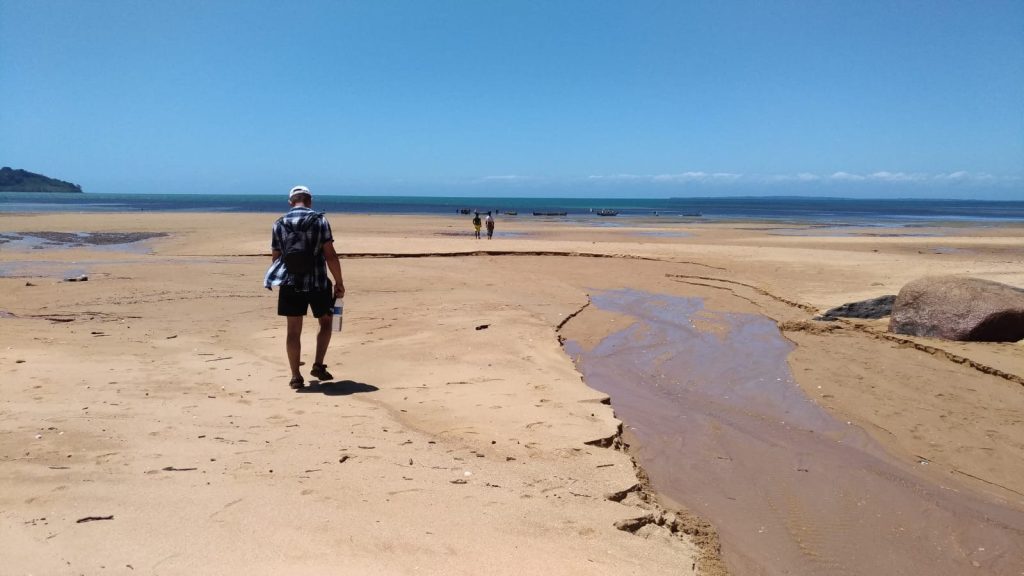
In the north, official advice recommends using an official local guide at the Montagne des Français protected area and taking local advice before visiting beaches, where opportunistic attacks on tourists have occurred.
Tourists have not for the most part been the targets of dahalo activity, which is directed at cattle and rural communities. The guidance exists because the areas are unstable rather than because visitors are singled out.
Solo and Female Travel
Solo travel in Madagascar is common and works, with the same precautions that apply anywhere. Arriving in a new town during daylight, arranging transport through accommodation rather than hailing on the street, and telling someone your route are the basics.
Female travellers face the additional considerations that apply across much of the world. Dressing modestly away from beaches reduces unwanted attention, and it is expected in villages regardless. Walking alone after dark is the situation to avoid, and this applies in Antananarivo particularly.
Guided park visits are compulsory in Madagascar anyway, which means solo travellers are rarely walking alone in remote forest. Many report the guiding requirement as a benefit rather than a constraint.
Higher-risk situations. Walking in Antananarivo after dark, crowded markets and transport hubs, night driving, isolated beaches in the north, rural areas in the southern triangle, travelling independently on the RN7 at night.
Low-risk situations. Guided park visits, organised excursions, daytime travel with a reputable operator, staying at established lodges, walking in the highland towns during the day, boat trips arranged through hotels.
Scams and Common Annoyances
Madagascar has fewer elaborate scams than many destinations, and most friction comes from price rather than deception. Agreeing a fare with a taxi, pousse-pousse or boat operator before departing rather than on arrival prevents nearly all of it.
Street money changers offer poor rates and should be avoided in favour of banks or the airport. Unofficial guides approaching visitors near park entrances are worth declining in favour of the accredited guides assigned at the office, who are trained and whose fees go partly to the park.
Vanilla is the classic overpriced purchase, sold at airports and tourist markets at several times what the same product costs at Analakely or in Toamasina. Buying from a market during the trip rather than at departure saves a good deal.
Begging is common in the capital and around tourist areas, and Madagascar’s poverty is genuine and visible. Many travellers prefer to support community-run reserves and buy directly from craftspeople, which puts money into local economies more reliably than street giving.
Natural Hazards and Cyclones
Cyclone season runs roughly November to April, peaking in January and February, with the east coast and northeast most exposed. Storms cut roads, stop ferries, disrupt flights and damage infrastructure.
Recent seasons have severed the RN2 between Antananarivo and Toamasina. Anyone travelling on the eastern side in the first quarter of the year should build slack into the schedule and monitor forecasts.
Flooding and landslides follow heavy rain, particularly on deforested slopes. Some parks close outright in the wet season, and the western road to Tsingy de Bemaraha becomes impassable from around December to March.
Wildlife and Walking Safety
This is where Madagascar differs from mainland African destinations. There are no large predators, no elephants, no hippos and nothing that presents a serious threat to a walker.
Snakes exist and none is dangerous to humans. Lemurs are harmless, though feeding them is discouraged and habituated animals at some sites will investigate bags. The fossa is the largest carnivore and is rarely seen.
The real walking hazards are terrain and heat. Rainforest trails are steep and slippery, tsingy limestone is sharp enough to open skin, and the exposed plateaus at Isalo and in the south become dangerous in midday heat. Guides are compulsory partly for this reason.
One general point underlies most of the specific advice. The risks here are ordinary rather than exotic: bag theft in a crowded market, a road accident, a stomach upset from bad water. Travellers who apply the caution they would in any unfamiliar city, and who respect the roads, encounter very little trouble.
Frequently Asked Questions
Is Madagascar safe to visit right now?
Several governments currently advise a high degree of caution, citing crime, potential civil unrest and natural disaster risk, and the US lowered its advisory to Level 2 after conditions stabilised under the transitional government. Most visitors travelling with operators or sensibly independently have no problems. Check your own government’s current advice before booking, since this page cannot be updated as fast as advisories change.
What is the biggest risk to travellers?
Road travel, by some distance. Long distances on poor surfaces, night driving, variable vehicle standards and shared road space with livestock and pedestrians combine into the hazard most likely to affect a visitor. Petty theft in Antananarivo is the most common problem but rarely a serious one.
Is Antananarivo dangerous?
It requires normal city precautions rather than avoidance. Pickpocketing is common around Analakely market and busy areas, so carry money in separate pockets and keep bags closed and in front of you. Do not walk around Lac Anosy alone, particularly after dark, and use taxis at night rather than walking.
Who are the dahalo?
Armed cattle-rustling groups active in rural southern and central Madagascar. Their activity is directed at cattle and rural communities rather than tourists, but the areas they operate in are unstable, and official advice recommends using a recognised operator in the southern triangle between Ihosy, Toliara and Fort Dauphin and travelling to Fort Dauphin by air.
Is it safe for solo female travellers?
Many travel solo without incident, using the precautions that apply widely: dress modestly away from beaches, avoid walking alone after dark, arrange transport through accommodation, and share your route with someone. Guided park visits are compulsory, so you are rarely alone in remote forest.
Are the animals dangerous?
No. Madagascar has no large predators, no dangerous snakes and nothing that threatens a walker. The fossa is the largest carnivore and avoids people. Terrain, heat and slippery trails are the actual walking hazards, which is one reason guides are required in the parks.
Should I use a tour operator or travel independently?
Both work on the main routes. Independent travel on the RN7 and in the north is common and straightforward. For the southern triangle, the road north from Morondava and the remote parks, official advice and practical logistics both favour a recognised operator. Vehicle standards and driver experience are worth paying for regardless.
What about cyclones?
Season runs November to April, peaking January and February, with the east and northeast most affected. Storms cut roads, stop ferries and disrupt flights. If your dates fall in that window, favour the northwest or the arid south, build buffer days into the schedule and avoid tight connections on the eastern side.
Planning Your Trip
Madagascar rewards ordinary caution rather than special vigilance. Daytime travel, a reputable operator, sensible habits in the capital and respect for the roads cover nearly everything that goes wrong for visitors here.
Booking Your Madagascar Trip
The safari companies and tour operators listed on this website put trips like this together for a living and know which camps, guides and routes actually deliver. We are an independent guide to Madagascar; we do not book or sell tours ourselves.
When you are ready, arrange your safari, tour or holiday with one of the recognised operators listed here. Tell them your dates and what matters most, and a real person, not a form, will handle the itinerary, park bookings and logistics for you.