Islands of Madagascar
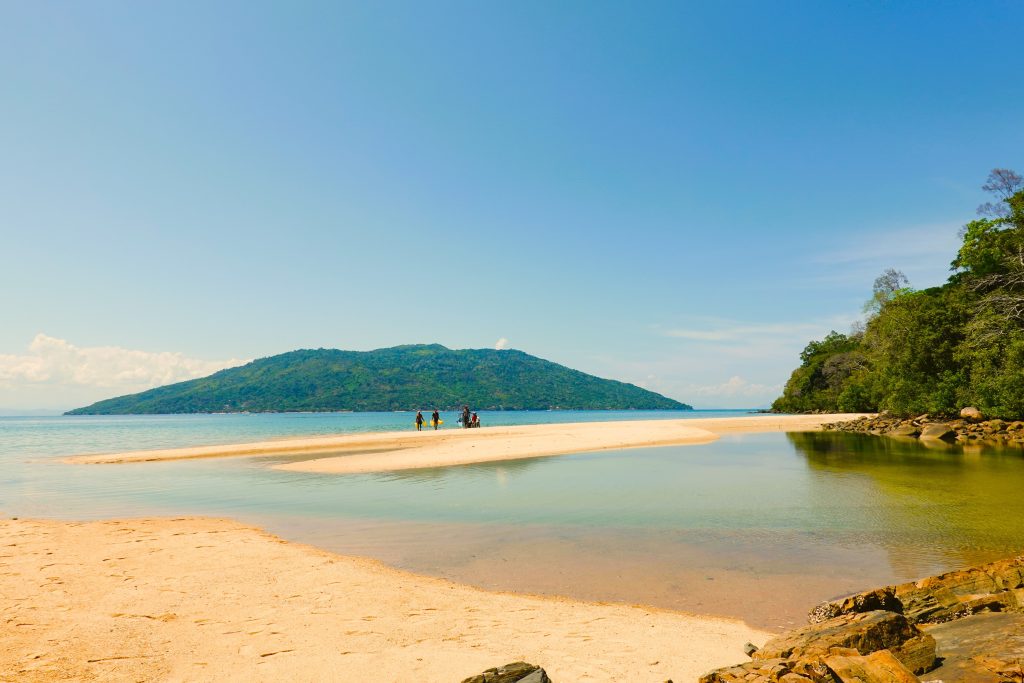
Madagascar has dozens of offshore islands and the ones worth planning around cluster in two places: the Nosy Be archipelago in the northwest, and Île Sainte-Marie with Île aux Nattes on the east coast. Nosy means island in Malagasy, which explains most of the names. Beyond the well-known handful sit marine parks, sacred islets and places almost nobody visits.
The Nosy Be Archipelago
Nosy Be is the hub, a volcanic island with its own airport including some direct international services, covered in ylang-ylang plantations that give it the name perfumed island. It holds the most developed accommodation in Madagascar and the highest prices.
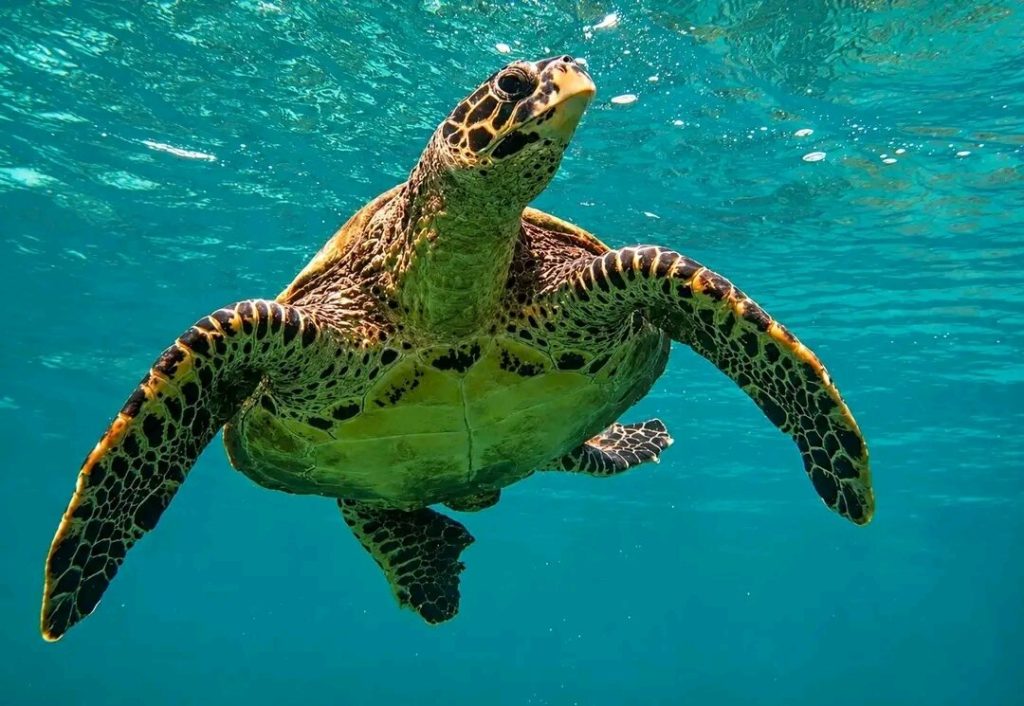
Nosy Tanikely is the marine reserve about thirty minutes out, with coral gardens a few metres off the beach and reliable green turtles. The best snorkelling in Madagascar for anyone without a certificate.
Nosy Komba is rainforest-covered with no roads and no cars, holding habituated black lemurs at a community reserve above Ampangorina village and the best craft market in the area. Most operators combine it with Tanikely into a single day.
Nosy Iranja is ninety minutes out, two islets joined by a sandbar that appears at low tide and vanishes at high, with green and hawksbill turtles nesting on the beaches.
Nosy Sakatia is the quiet one, a short hop from the west coast, known for swimming with green turtles and walked with local guides past vanilla and mango trees.
Nosy means island. Nosy Be is the big island, Nosy Komba the lemur island, Nosy Tanikely the little wild island. The names describe them.
Île Sainte-Marie and Île aux Nattes
Île Sainte-Marie, known in Malagasy as Nosy Boraha, stretches 50 to 60 km off the east coast about 8 km offshore. Quieter and considerably cheaper than Nosy Be, with small hotels along the west coast rather than a resort strip.
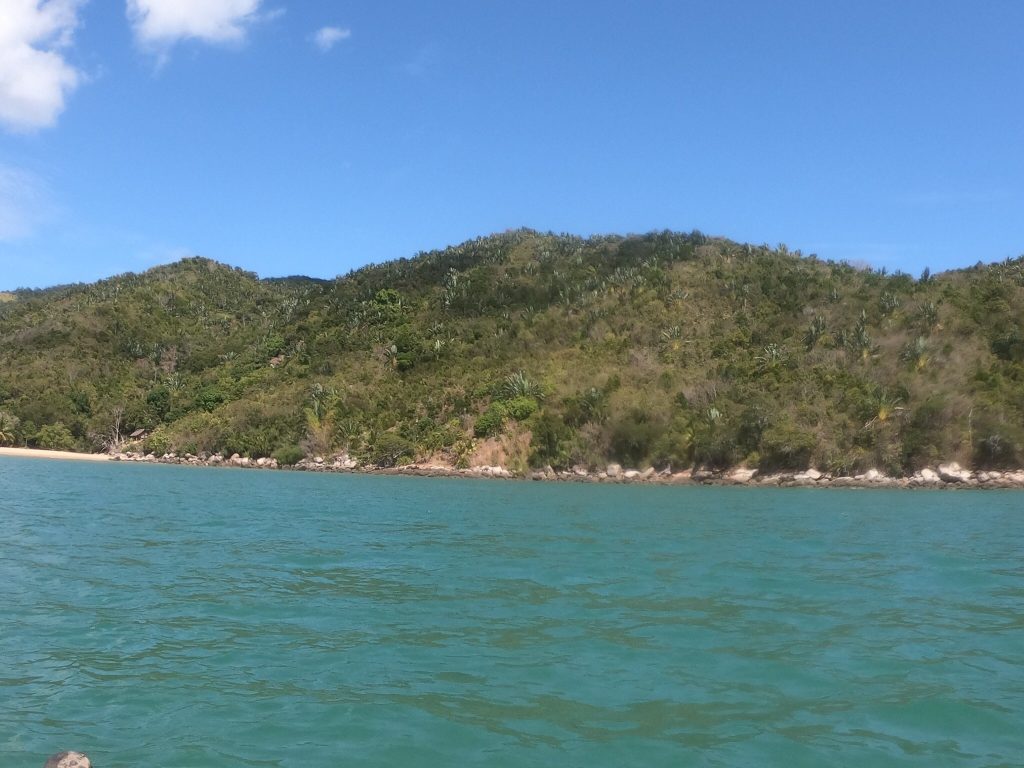
Between July and September humpback whales fill the channel between the island and the mainland to breed and calve, offering the most accessible viewing in the Indian Ocean. Sightings are close to certain and animals are often visible from shore.
The island holds what is widely described as the world’s only pirate cemetery, on a hillside above the Baie des Forbans, from the period after 1685 when this was the centre of Indian Ocean piracy. Wrecks still lie offshore and wreck diving is the local speciality.
Île aux Nattes off the southern tip is a ten-minute pirogue crossing and holds what many travellers rate the finest beaches in Madagascar. Three square kilometres, no roads, no cars, no ATMs, and guesthouses on the sand at a fraction of Nosy Be prices.
Nosy Be archipelago. Most developed, widest excursion choice, direct international flights, reliable weather year-round. The most expensive part of Madagascar. Tanikely, Komba, Iranja and Sakatia within easy boat reach.
Sainte-Marie and Nattes. Quieter, cheaper, small hotels, whales July to September, pirate history and wreck diving. Wetter and cyclone-exposed December to March. Nattes has the best beaches in the country.
Everywhere else. Nosy Hara marine park, Nosy Mangabe off Maroantsetra, Nosy Ve off Anakao, Nosy Lonjo in Diego Suarez bay. Specialist destinations rather than beach islands.

Nosy Mangabe and the Masoala Islands
Nosy Mangabe sits about 2 km off Maroantsetra and belongs to Masoala National Park, covering 520 hectares of rainforest reached in around thirty minutes by boat.
Aye-ayes were introduced here in 1966 when the species was thought close to extinction and an uninhabited island looked like the safest refuge. They survive, though seeing one still takes a night walk and considerable luck.
What you get more reliably are black-and-white ruffed lemurs, an unusual density of leaf-tailed geckos, and trails gentle enough to walk without effort. Dutch sailors carved inscriptions into rocks near the old anchorage centuries ago.
Camping is permitted, and a night on the island is one of the better experiences available in the northeast.
Nosy Hara and the Northern Marine Parks
Nosy Hara is a marine protected area covering limestone islands north of the Emerald Sea, reached on longer boat excursions from Ramena or Diego Suarez, usually as a full day or an overnight camping trip.
The islands are the northern tip of the same karst systems that surface inland at Ankarana, weathered into pinnacles rising straight from the water. Reefs around them are in good condition and see very few visitors.
Brookesia micra, among the smallest reptiles on earth at around thirty millimetres including tail, was described from Nosy Hara and is found there and nowhere else.
Facilities are nonexistent and everything is carried in, which is why the islands stay as empty as they do.
Nosy Ve, Nosy Lonjo and the Smaller Islands
Nosy Ve off Anakao in the southwest holds a breeding colony of red-tailed tropicbirds and is the accessible seabird site in Madagascar, with reef around it for snorkelling.
Nosy Lonjo, the Sugar Loaf, is the conical island in Diego Suarez bay and the emblem of that city. It is a sacred site and landing is not permitted, so it is seen from every viewpoint in town and passed on the road to Ramena.
Île aux Prunes off Toamasina offers beaches and a lighthouse as a day trip from the east coast port.
Nosy Mitsio and Nosy Lava north of Nosy Be require longer boat trips and see very few visitors. Îlots aux Sables off Île aux Nattes are uninhabited sandbanks for anyone wanting to go further.
Every island is reached by boat and crossings cancel in rough conditions, particularly on the eastern side and outside the calm months. Book excursions early in a stay rather than at the end so a cancelled trip can be rescheduled, and never plan an international departure the day after an island crossing. Nosy Komba and Île aux Nattes have no ATMs, so carry cash.
Choosing Between the Islands
The decision usually comes down to what you want the island time for.
For excursions and infrastructure, Nosy Be. It has the airport, the widest choice of boat trips, the most restaurants and the most operators. It is also the most expensive part of Madagascar and the busiest.
For quiet and value, Île Sainte-Marie and particularly Île aux Nattes. Small hotels, empty beaches and prices a fraction of the northwest, with whales in season as the additional draw.
For wildlife, Nosy Mangabe for the aye-ayes and ruffed lemurs, Nosy Komba for black lemurs, Lokobe on Nosy Be for the last rainforest on that island.
For snorkelling, Nosy Tanikely above everything, with Nosy Hara for those prepared to make the longer trip.
Combining the two main clusters in one trip means flying through Antananarivo, which few visitors do unless they have three weeks or more.
Best Time for the Islands
Sea conditions rather than rainfall govern island travel, and the two clusters differ.
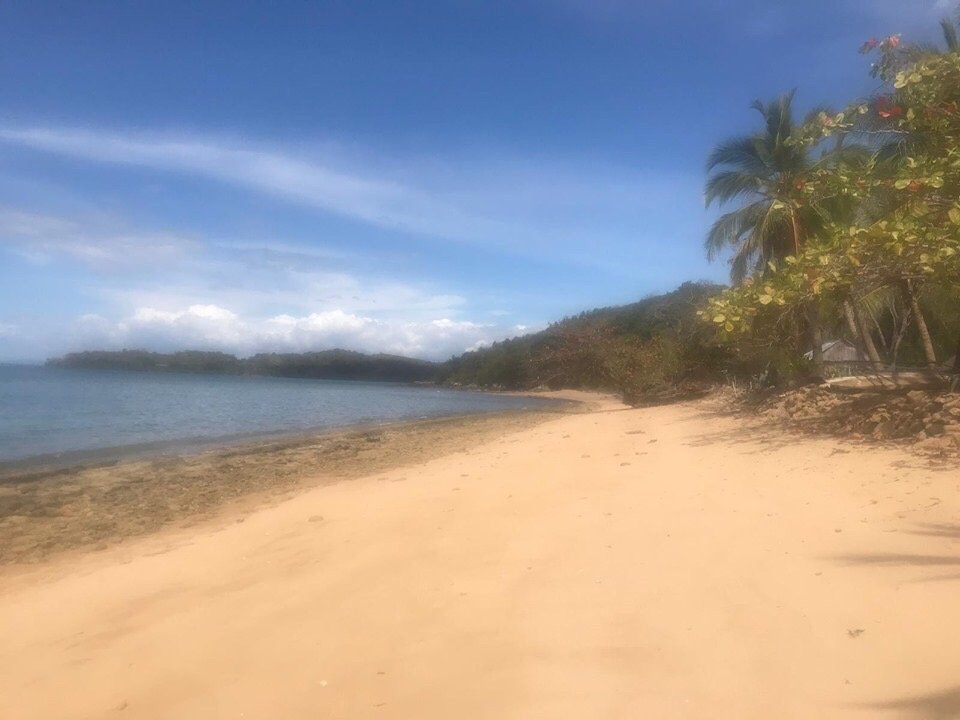
September to November. The strongest window across both archipelagos. Calm seas, warm water, best visibility and reliable crossings. Whale sharks appear off Nosy Be. Quieter than the mid-year peak.
April to June. Seas settling after the rains with good visibility, few visitors and lower prices. Comfortable temperatures. A reliable shoulder period.
July to September. Whales in the Sainte-Marie channel and along the Nosy Be coast. Trade winds in the far north make crossings rough. Busiest and most expensive, particularly on Sainte-Marie.
December to March. Cyclone season on the east, with Sainte-Marie crossings unreliable and places closing. Nosy Be sees less impact, and the far north around the Emerald Sea has its calmest water and clearest visibility.
One practical point applies across all of them. Island accommodation is small-scale almost everywhere except Nosy Be, which means a handful of rooms rather than a hotel with capacity. Booking ahead matters more than the modest prices suggest, particularly on Île aux Nattes and at the Mitsio and Masoala properties where the alternative to your first choice may be no alternative at all.
Frequently Asked Questions
Which island should I visit?
Nosy Be for excursions, infrastructure and direct international flights, at the highest prices in Madagascar. Île Sainte-Marie for quiet, value and whales between July and September. Île aux Nattes off Sainte-Marie for the best beaches in the country with no cars and no ATMs.
What does island travel cost?
Day excursions from Nosy Be covering Tanikely and Komba run around 300,000 Ariary per person including boat, guide and lunch. Emerald Sea transfers are roughly 40,000 to 60,000 Ariary. Accommodation ranges from Île aux Nattes guesthouses at the cheap end to Nosy Be resorts at the most expensive in Madagascar.
Can I combine Nosy Be and Sainte-Marie?
Only by flying through Antananarivo, since they sit on opposite coasts with no direct connection. Few visitors do it unless they have three weeks or more. Choosing one and staying longer produces a better trip than splitting the time.
Which island has the best beaches?
Île aux Nattes is rated highest by many travellers, with white sand, calm shallow water, no cars and coves that are usually empty. Andilana on Nosy Be is the best on the main island. Nosy Iranja’s sandbar between two islets is the most photographed.
Where can I see lemurs on an island?
Lokobe National Park on Nosy Be for black lemurs in the last primary rainforest there, reached by dugout pirogue with feeding prohibited. Nosy Komba’s community reserve for habituated black lemurs, where feeding does happen. Nosy Mangabe off Maroantsetra for black-and-white ruffed lemurs and aye-ayes.
Are the crossings reliable?
They cancel in rough conditions, particularly on the eastern side. The ferry to Sainte-Marie from Soanierana Ivongo is frequently rough and sometimes cancelled outright, which is why flying is the better option. Book excursions early in a stay so a cancelled crossing can be rescheduled.
Do I need cash on the islands?
Yes. Nosy Komba and Île aux Nattes have no banks or ATMs and cards are not accepted at guesthouses or craft stalls. Draw Ariary before leaving Nosy Be or Sainte-Marie. Nosy Be itself has banks, though the smaller islands do not.
When should I go?
September to November for calm seas, warm water and the best visibility across both archipelagos. April to June is the value shoulder. July to September brings whales but rougher crossings in the north. December to March sees frequent cancellations on the east, though Nosy Be and the far north fare better.
Planning Your Trip
Madagascar’s islands work best as the second half of a trip rather than the whole of one, and choosing one cluster rather than attempting both produces a considerably better week. The boat crossings are the constraint on everything, so book excursions early and leave a buffer before flying home.
Booking Your Madagascar Trip
The safari companies and tour operators listed on this website put trips like this together for a living and know which camps, guides and routes actually deliver. We are an independent guide to Madagascar; we do not book or sell tours ourselves.
When you are ready, arrange your safari, tour or holiday with one of the recognised operators listed here. Tell them your dates and what matters most, and a real person, not a form, will handle the itinerary, park bookings and logistics for you.