Maroantsetra and the Baie d’Antongil
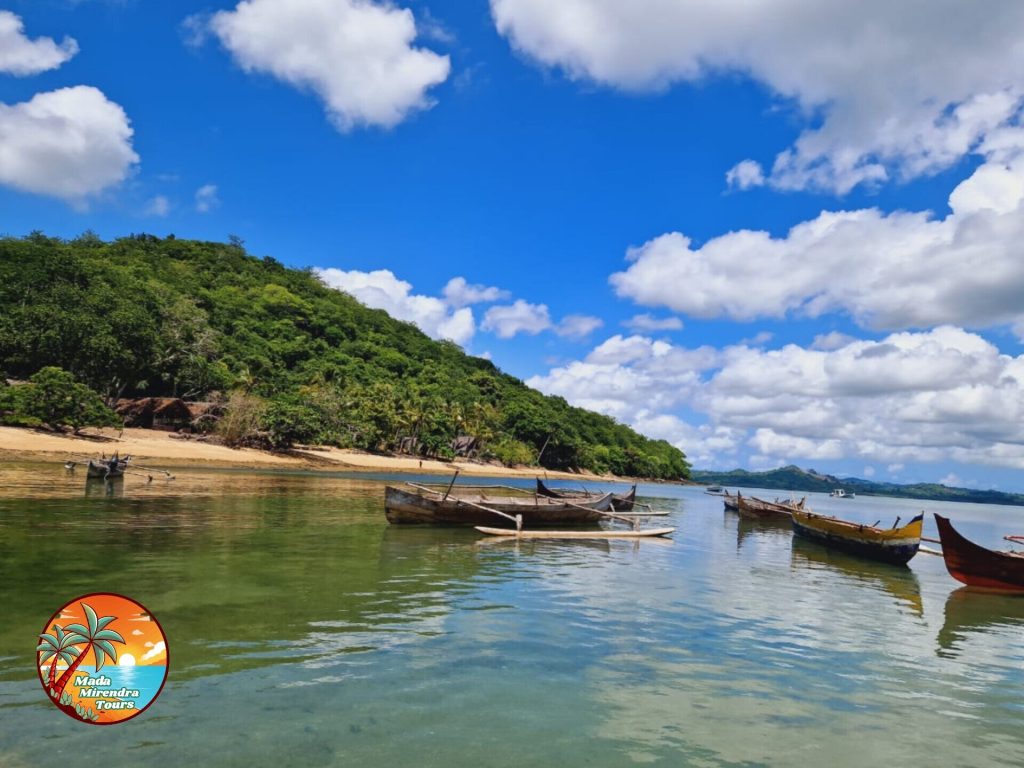
Maroantsetra sits at the inner corner of the Baie d’Antongil and is the gateway to Masoala National Park and Nosy Mangabe. It is reached by air, since there is no practical road, and the bay it faces is the principal humpback whale nursery in Madagascar between July and September. Everything here depends on boats and on weather.
Getting to Maroantsetra
Flights connect Maroantsetra to Antananarivo, Toamasina, Sambava and Antsiranana. This is how nearly everyone arrives.
The road alternative barely exists. Routes from Toamasina north are poor to impassable depending on season, and the coastal track from Antalaha over the Masoala peninsula is a multi-day trek rather than a drive.
Flight frequency is limited and schedules shift, which is why buffer days matter on any northeast itinerary. Never plan an international departure within two days of leaving here.
The town itself is small, with limited accommodation and basic supplies. It functions as a staging post rather than a destination, though the setting between rainforest and bay is genuinely attractive.

No practical road in, boats out to everything worth seeing, and a bay where humpback whales come to calve. Maroantsetra is where the northeast begins and where weather decides your itinerary.
The Baie d’Antongil and Whale Season
The Baie d’Antongil is the largest bay in Madagascar, enclosed between the Masoala peninsula and the mainland with Île Sainte-Marie further south.
Its shelter makes it the principal humpback whale nursery in the country. Animals migrate from Antarctic waters between roughly July and September to breed and calve here, and mothers bring newborns into the calm water to teach them to swim and breathe.
Whale watching runs from Maroantsetra during the season. The bay is large enough that sightings involve genuine searching rather than the near-certainty of the Sainte-Marie channel, but the animals present are often mothers with calves.
Ask operators how they handle distance and boat numbers before booking. Mothers with newborns are the most vulnerable animals in any whale watching operation.
Dolphins are present year-round, and dugongs occur in the wider bay though sightings are exceptional.
The bay has also been the focus of long-running whale research, since the concentration of breeding humpbacks makes it one of the better places in the western Indian Ocean to study them. Some operators work with researchers, which is worth asking about when booking.
Nosy Mangabe
Nosy Mangabe is a 520-hectare rainforest island about 2 km offshore, part of Masoala National Park and reached in around thirty minutes by boat.
Aye-ayes were introduced here in 1966 when the species was thought close to extinction, and they survive. Seeing one requires a night walk, camping on the island and considerable luck.
What the island delivers reliably is black-and-white ruffed lemurs, an unusual density of leaf-tailed geckos and gentle trails that require none of the fitness the mainland peninsula demands.
Dutch sailors carved inscriptions into the rocks near the old anchorage in the seventeenth century, recording ships and dates from the East Indies trade.
The short crossing makes it far more reliable than the peninsula, which is why it works as a fallback when the sea turns.
Masoala National Park
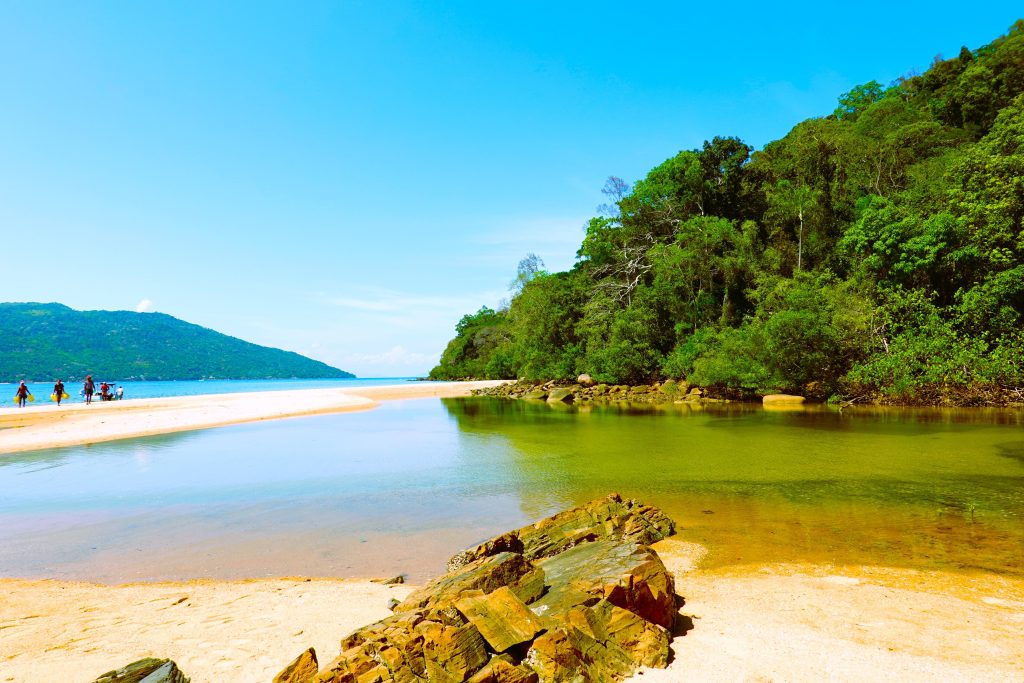
Masoala is the largest protected area in Madagascar, covering around 2,300 square kilometres of coastal rainforest running down to coral reefs.
The red ruffed lemur lives on this peninsula and nowhere else. Eleven lemur species occur in total, along with the helmet vanga, the Madagascar serpent-eagle and a reptile and amphibian list that reflects the rainfall.
Three marine reserves sit off the peninsula, with around a hundred coral species and snorkelling straight off beaches with jungle behind them. Sea kayaking runs along a coast where granite boulders drop into clear water.
Access is by boat from Maroantsetra, one to two hours depending on conditions, and crossings cancel in rough seas. The park is often unreachable from January to March when lodges close.
Lodges on the peninsula are few and expensive, reflecting supply logistics rather than luxury. Allow a week for the northeast including buffer days.
Nosy Mangabe. Thirty minutes by boat, gentle trails, ruffed lemurs and leaf-tailed geckos, camping permitted. Reliable when peninsula crossings cancel. A day trip or an overnight.
Masoala peninsula. One to two hours by boat, red ruffed lemurs found nowhere else, three marine reserves, rainforest meeting reef. Weather dependent and expensive. Needs several days.
Staying in Maroantsetra
Accommodation is limited and simple, with a handful of hotels and guesthouses in and around the town at moderate rates.
Most visitors spend a night either side of Nosy Mangabe or the peninsula, using the town for provisioning and boat arrangements rather than as somewhere to linger.
Draw cash here before heading anywhere, since neither Nosy Mangabe nor the peninsula has a bank and everything is cash in Ariary. Park fees, boat charters, guides and tips all need covering.
Supplies for camping on Nosy Mangabe come from the town market. There is nothing on the island and nothing on the peninsula beyond what the lodges hold.
Phone coverage exists in the town and disappears entirely at Masoala and on the island, so arrangements need making before you leave.

Weather and Why Buffer Days Matter
The northeast is the wettest region in Madagascar and the most cyclone-exposed, and both facts shape any itinerary here.
Rain falls in every month. The driest stretch runs roughly September to December, which is the usual recommendation, though nobody should expect dry conditions.
Cyclone season from January to March makes Maroantsetra hard to reach, stops crossings and closes most lodges. The region is best avoided in that window.
Everything depends on boats. The peninsula crossing cancels in rough seas, and travellers arriving on a fixed schedule with no slack lose the days they came for.
Build two or three buffer days into any northeast trip. They serve as rest days if the weather holds, and they save the itinerary if it does not.
Nosy Mangabe is the insurance policy for a northeast trip. When the peninsula crossing is cancelled by weather, the thirty-minute run to the island usually still goes, which turns a lost day into a good one. Building it in at the start rather than the end means you have it in reserve.
Marojejy and the Wider Northeast
Marojejy National Park is reached from Sambava rather than Maroantsetra, and the two towns connect by air.
That link is what makes a serious northeast itinerary possible: the silky sifaka at Marojejy and the red ruffed lemur at Masoala, two of the rarest lemurs in Madagascar, in a single trip.
Marojejy needs three to four days of trekking between mountain camps for the sifaka, with a specialist tracker hired alongside the guide. The summit route takes four to five days.
Both parks are demanding, both depend on weather, and neither is a soft introduction to Madagascar. Together they need two weeks with buffer days built in.
The SAVA region around Sambava and Antalaha is where most of Madagascar’s vanilla grows, which is the other thing the northeast is known for.

Best Time to Visit
The northeast is wet year-round, so timing is about degree rather than avoidance.
September to December. The driest stretch and the usual recommendation, with calmer seas making crossings reliable and wildlife active. The strongest window for both Masoala and Marojejy.
July to September. Humpback whales in the Baie d’Antongil, breeding and calving in sheltered water. Cooler and wetter than the spring window, with rougher crossings to the peninsula.
April to June. Shoulder period as heavy rain eases. Fewer visitors and reasonable conditions, though seas remain unsettled and rainforest trails stay muddy throughout.
January to March. Cyclone season. Maroantsetra becomes hard to reach, crossings stop, lodges close and the region is best avoided entirely on a fixed schedule.
Frequently Asked Questions
How do I get to Maroantsetra?
By air from Antananarivo, Toamasina, Sambava or Antsiranana, since there is no practical road. Routes overland are poor to impassable depending on season, and the coastal track from Antalaha is a multi-day trek rather than a drive. Flight frequency is limited and schedules shift.
Is Maroantsetra worth staying in?
As a staging post rather than a destination. The town is small with limited accommodation and basic supplies, though the setting between rainforest and bay is attractive. Most visitors use it for a night either side of Nosy Mangabe or the Masoala peninsula.
When can I see whales?
Roughly July to September, when humpbacks migrate from Antarctic waters to breed and calve in the Baie d’Antongil, which is the principal nursery in Madagascar. The bay is large, so sightings involve genuine searching, but animals present are often mothers with calves. Ask operators how they manage distance.
Should I visit Nosy Mangabe or the peninsula?
Both if you have the days. Nosy Mangabe is thirty minutes out with gentle trails, ruffed lemurs and leaf-tailed geckos, and its short crossing is far more reliable. The peninsula holds red ruffed lemurs found nowhere else and three marine reserves, but needs one to two hours by boat and cancels in rough seas.
How many days do I need?
A week for the northeast including buffer days, covering Nosy Mangabe and several days on the Masoala peninsula. Adding Marojejy from Sambava extends it to two weeks. Both parks depend on weather and neither absorbs a tight schedule.
What does it cost?
Flights into Maroantsetra are the largest single expense and there is no cheaper alternative. Park fees follow the Madagascar National Parks structure at 45,000 Ariary per adult per day with compulsory guide fees on top. Boat charters are priced per trip. Peninsula lodges are expensive relative to their comfort because of supply logistics.
Why do I need buffer days?
Because everything here depends on boats and the sea decides. Peninsula crossings cancel in rough conditions, flights reschedule, and cyclone season from January to March stops travel altogether. Two or three buffer days across a northeast trip serve as rest if the weather holds and save the itinerary if it does not.
Can I combine this with Marojejy?
Yes, and it is the reason to come this far. Marojejy is reached from Sambava, which connects to Maroantsetra by air, putting the silky sifaka and the red ruffed lemur in one trip. Both are demanding and weather dependent, and together they need two weeks with slack built in.
Planning Your Trip
Maroantsetra is the hardest gateway in Madagascar to reach and opens the least visited region in the country. What it demands is time and flexibility, and what it delivers is two lemurs that exist nowhere else on earth alongside rainforest running into coral.
Booking Your Madagascar Trip
The safari companies and tour operators listed on this website put trips like this together for a living and know which camps, guides and routes actually deliver. We are an independent guide to Madagascar; we do not book or sell tours ourselves.
When you are ready, arrange your safari, tour or holiday with one of the recognised operators listed here. Tell them your dates and what matters most, and a real person, not a form, will handle the itinerary, park bookings and logistics for you.