Whale Watching in Madagascar

Humpback whales migrate to Madagascar between roughly July and September to breed and calve, and the sheltered channel off Île Sainte-Marie offers the most accessible viewing in the Indian Ocean. Whales are often visible from shore and boats reach them within metres. Nosy Be, Toliara and the Baie d’Antongil are the other established sites, and whale sharks appear separately later in the year.
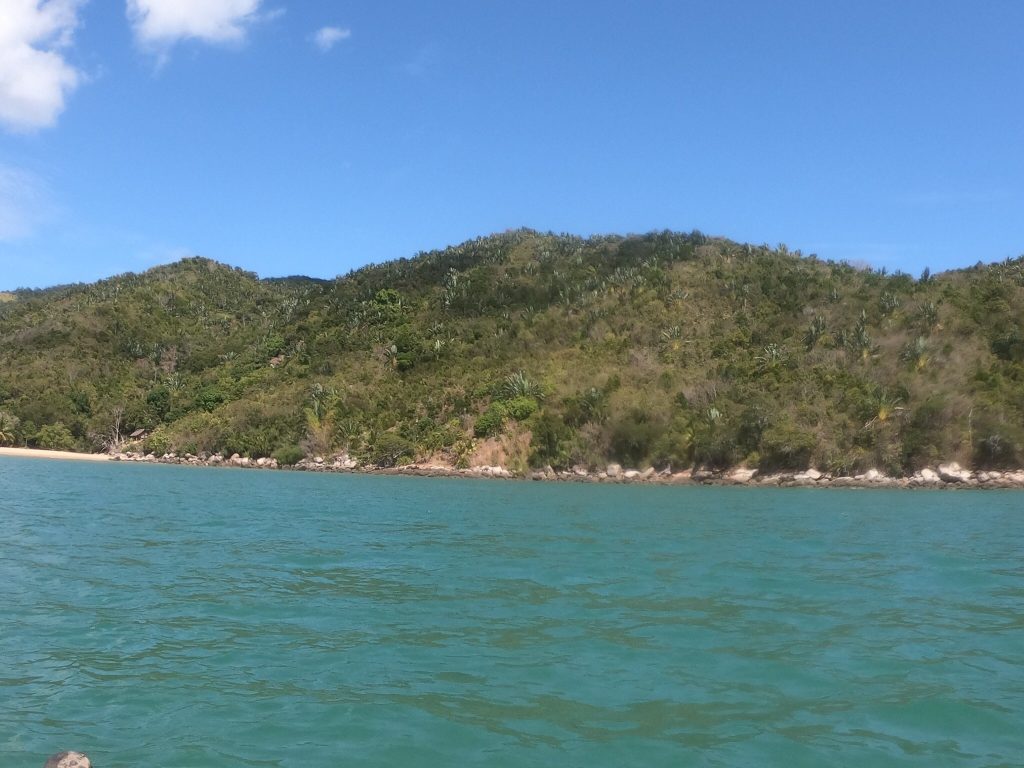
Humpback Whale Season and Why They Come
Humpbacks spend the southern summer feeding in Antarctic waters and migrate north as those waters cool, reaching Madagascar between July and September. They come to breed and to calve, and they choose sheltered water for it.
The Baie d’Antongil, the largest bay in Madagascar and the body of water between Île Sainte-Marie, Maroantsetra and the mainland, is the principal nursery. It is calm enough that mothers bring newborn calves there to teach them to swim and breathe before the return migration.
Numbers passing through the channel run into the hundreds through the season. The animals are not feeding while here, which is why they are so active at the surface: breaching, tail-slapping and pectoral-slapping are all common sights rather than lucky ones.
They travel thousands of kilometres from Antarctic feeding grounds to give birth in one sheltered channel. Between July and September that channel is a few hundred metres off a beach you can walk to.
Whale Watching Tours at Île Sainte-Marie
Île Sainte-Marie is the destination most associated with Malagasy whale watching, and the reason is geography. The island sits about 8 km off the mainland, and the strait between them funnels migrating animals close to shore.
Boats go out daily from the west coast during the season. Sightings are close to certain, and whales are frequently visible from hotel terraces and beaches without going anywhere. Some operators run trips by sea kayak, which puts you far lower to the water than a motorboat and is a genuinely different experience.
Accommodation and boats book out months ahead for July through September, and prices rise accordingly. This is the one window in the Malagasy calendar where a specific destination fills on a specific date range.
Île aux Nattes off the southern tip works equally well, with boats collecting guests from there, so staying on the quieter smaller island costs nothing in access.
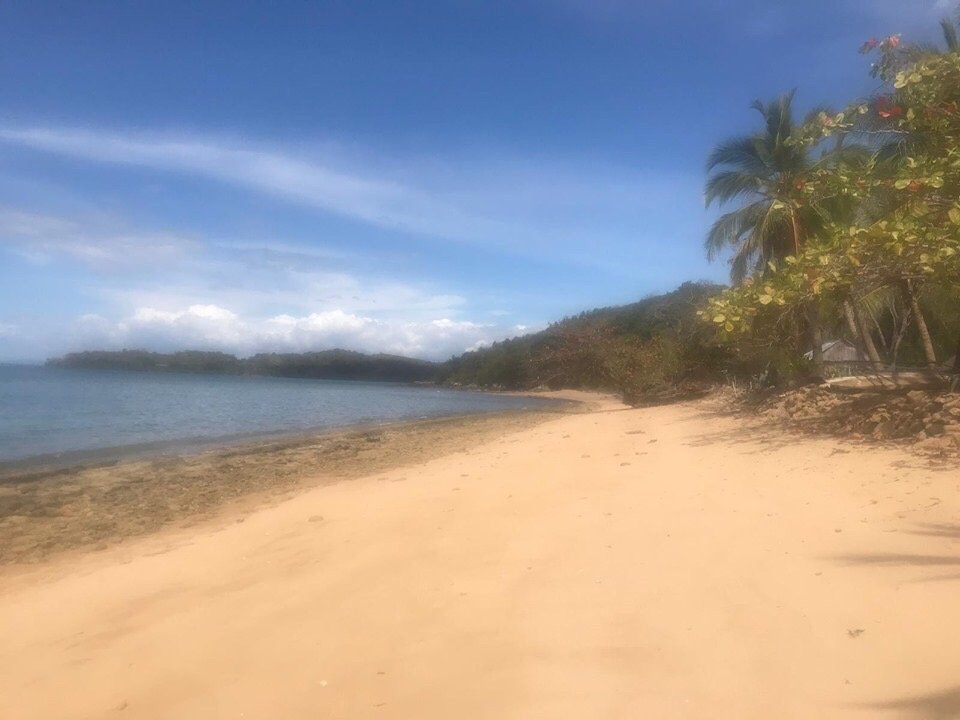
Whale Watching from Nosy Be and the Northwest
Nosy Be and the surrounding archipelago see humpbacks passing along the coast through the middle months of the year, and boat trips run from Ambatoloaka and the west coast beaches.
Sightings here are less concentrated than at Sainte-Marie, since the animals are moving along the coast rather than gathering in a nursery bay. The compensation is that whale trips combine easily with the island excursions to Tanikely, Komba and Iranja, so a day on the water can deliver both.
Nosy Be is also the whale shark destination, which is a separate season and a separate animal. Whale sharks appear in the later months of the year, typically from around September into December, and dedicated trips run for them.
Whale sharks are filter-feeding fish rather than whales, and swimming with them is permitted where whale watching is a boat-based activity. Operators vary considerably in how they conduct these encounters.

Whale Watching from Toliara and the Southwest
Humpbacks also pass along the southwest coast, and trips run from Toliara and Ifaty during the middle of the year.
This is the least developed of the three regions for whale watching and the sightings are correspondingly less predictable, since the animals are in transit rather than resident. For travellers already on the RN7 finishing at the coast, it is a worthwhile addition rather than a reason to travel.
Anakao south of Toliara offers the same access with fewer boats. The Vezo fishing communities along this coast have long-standing knowledge of where whales pass, and trips arranged through them tend to be smaller and less crowded.
Île Sainte-Marie, July to September. The most reliable viewing in Madagascar, with whales in a sheltered nursery channel and often visible from shore. Book months ahead. Kayak trips available. Reached by air or a rough ferry crossing.
Nosy Be, mid-year for whales and later for whale sharks. Less concentrated humpback viewing but combines with island excursions. The whale shark season is separate and swimming with them is permitted. More infrastructure and more operators.
Toliara and Ifaty, mid-year. Animals in transit rather than gathered, so sightings are less predictable. Least developed of the three. Worth adding for travellers already finishing the RN7 at the coast.
Responsible Whale Watching and Operator Conduct
Madagascar operates observation guidelines covering how boats behave around whales, including minimum distances and how many vessels may be on a sighting at once. Compliance varies between operators, and this is worth asking about before booking.
The questions that matter are simple. How close will the boat go? How many other boats will be on the animals? Does the operator cut engines when whales come near? Will they chase a group that moves away?
Mothers with newborn calves are the most vulnerable, and pressure from boats can separate a calf from its mother or interrupt nursing. A good operator backs off; a poor one pursues.
Kayak-based trips at Sainte-Marie are quieter and less intrusive by nature, though they depend on calm conditions and are not suitable for everyone.
Ask an operator directly how they handle distance and numbers before you book, and be prepared to choose a different one. The difference between a boat that waits for whales to come in and one that chases them is the difference between a good sighting and a disruptive one, and it shows in what you actually see. Animals that come in on their own terms often end up far closer than any pursuit would achieve.
Other Marine Life in Madagascar
Whales are the headline but not the whole picture. Dolphins are common year-round, with humpback, bottlenose and spinner dolphins all present, frequently seen on crossings to Nosy Iranja and around the northern archipelago.
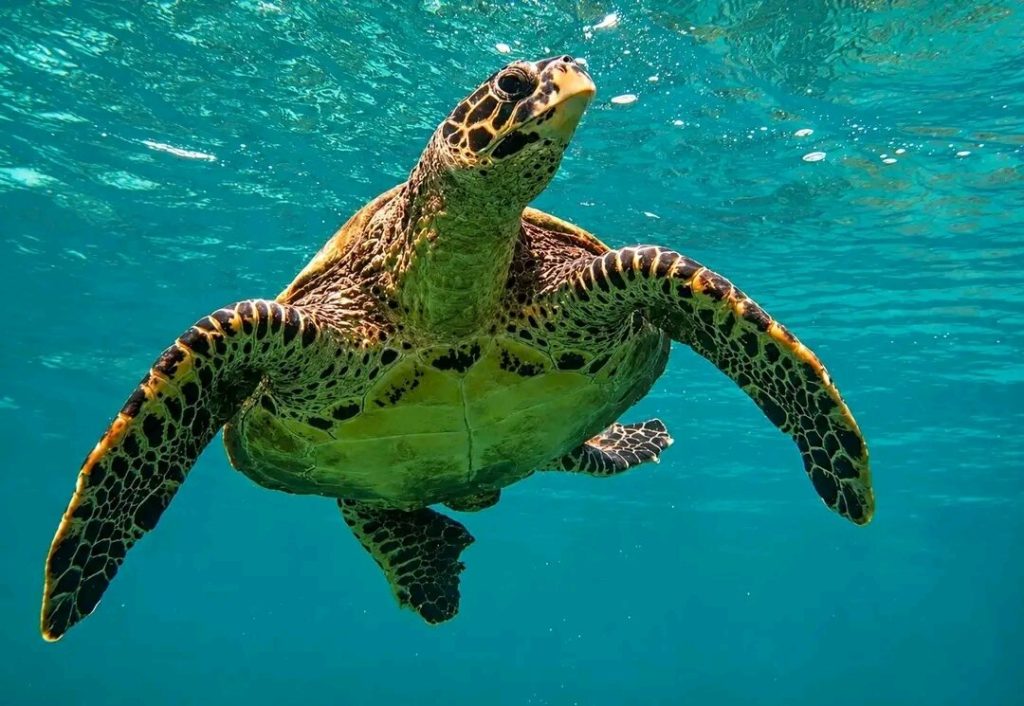
Sea turtles nest on several beaches, with green and hawksbill turtles coming ashore at Nosy Iranja, and green, hawksbill and loggerhead turtles at Baie de Baly. Turtles are seen in the water year-round while snorkelling at Nosy Tanikely and the Masoala marine parks.
Dugongs occur in Malagasy waters, including around Baie de Baly and Kirindy Mite, and are very rarely seen. Manta rays pass through the northern archipelago.
The reefs themselves hold around a hundred coral species at Masoala and support the fish life that makes snorkelling at Tanikely, Ifaty and the Emerald Sea worthwhile.
Combining Whale Watching with a Wider Trip
Whale season creates a genuine scheduling constraint, since July to September is the only window and it does not move.
The natural pairing is Sainte-Marie with the eastern rainforest. Andasibe for indri, then Toamasina and the Pangalanes, then the island for whales. That sequence works entirely by road and one flight or ferry.
For travellers on the RN7, whale watching from Toliara at the end of the southern circuit fits without any detour, though the sightings are less reliable. Nosy Be suits those combining the northern parks with island time.
Whale season overlaps the cooler drier months, which are also peak season for road travel and park visits, so an itinerary built around whales tends to work well for everything else too.
Photography from a moving boat needs a faster shutter than most people expect, since the animal, the boat and the swell are all moving independently. A shutter speed above 1/1000 and a willingness to shoot in bursts produces far more usable frames than waiting for a composed shot that never arrives.
Frequently Asked Questions
When is whale season in Madagascar?
Roughly July to September for humpbacks, when they migrate from Antarctic waters to breed and calve in sheltered bays. Île Sainte-Marie and the Baie d’Antongil are the principal nursery areas. Outside that window there are no humpbacks at all. Whale sharks are separate, appearing off Nosy Be from around September into December.
Where is the best place for whale watching?
Île Sainte-Marie, where the channel between the island and the mainland funnels animals close to shore and sightings are close to certain in season. Whales are often visible from beaches and hotel terraces. Nosy Be is the alternative with more infrastructure, and Toliara suits travellers already finishing the RN7.
Are sightings guaranteed?
Nothing is guaranteed, but between July and September at Sainte-Marie they are close to certain, with boats going out daily and most operators offering another trip if one fails. The animals are not feeding while here, which makes them unusually active at the surface. Outside the season they are simply not present.
What does whale watching cost?
Boat trips are priced per person and vary by operator and location, with Sainte-Marie more expensive through the peak season when demand is highest. Kayak-based trips cost differently again. Accommodation on Sainte-Marie rises sharply for the whale window, so budget for that as much as for the boat.
Can I swim with whales?
Not with humpbacks, which are watched from boats under observation guidelines covering distance and vessel numbers. Whale sharks off Nosy Be are a different matter, being filter-feeding fish, and swimming with them is permitted. Operator conduct varies, so ask how they manage numbers in the water.
How do I choose an operator?
Ask directly how close they go, how many boats will be on a sighting, whether they cut engines when whales come near and whether they pursue animals that move away. Compliance with Madagascar’s observation guidelines varies. Animals that come in on their own terms often end up closer than any pursuit achieves.
Should I fly or take the ferry to Sainte-Marie?
Fly if you can. The ferry from Soanierana Ivongo takes around two hours across water that is often rough and is sometimes cancelled. Flights are limited and fill early in whale season, so book well ahead. The island is the one destination in Madagascar where dates and capacity genuinely constrain a trip.
What else will I see on the water?
Dolphins year-round, including humpback, bottlenose and spinner species. Sea turtles while snorkelling at Tanikely, Iranja and the Masoala marine parks. Manta rays in the northern archipelago. Dugongs occur but are very rarely seen. The crossings themselves often produce sightings before you reach the whale grounds.
Planning Your Trip
Whale watching is the one activity in Madagascar that fixes your dates rather than fitting around them. July to September at Sainte-Marie is the strongest version, and it needs booking months ahead because the island fills for exactly that window.
Booking Your Madagascar Trip
The safari companies and tour operators listed on this website put trips like this together for a living and know which camps, guides and routes actually deliver. We are an independent guide to Madagascar; we do not book or sell tours ourselves.
When you are ready, arrange your safari, tour or holiday with one of the recognised operators listed here. Tell them your dates and what matters most, and a real person, not a form, will handle the itinerary, park bookings and logistics for you.