Baie de Baly National Park
Baie de Baly National Park is the only place on earth where the ploughshare tortoise survives in the wild, one of the rarest reptiles anywhere and the target of a poaching trade that has pushed it to the edge. Four circuits run from one to six hours, combining walking, four-wheel drive and dugout canoe. The park sits on the Mozambique Channel near Soalala in northwestern Madagascar and opens only from May to October.
Ploughshare Tortoise Watching Tours at Beaboaly
Ploughshare tortoise watching tours are the reason this park exists and the reason to make the considerable effort of reaching it. Astrochelys yniphora, known locally as the angonoka, has a high domed shell in pale brown with heavy growth rings, and a projection on the underside that curves forward between the front legs and gives the animal its English name.
Males reach around 43 cm and 10 kg, making this a substantial tortoise. Its entire wild range is the dry forest and scrubby savanna around Baly Bay, an area small enough to walk across in a few days. The Beaboaly circuit is where sightings are concentrated.
Around fifty people work on protecting the angonoka within the park. Tortoises have their shells engraved with identifying numbers, a measure intended to ruin their value to collectors, though marked animals still turn up in Asian markets. Conservationists have given the species years rather than decades if the trade continues, which lends a particular weight to seeing one.
One bay in northwestern Madagascar holds the entire wild population. Nothing else, anywhere, has this tortoise.
Sea Turtle Watching Tours on the Nesting Beaches
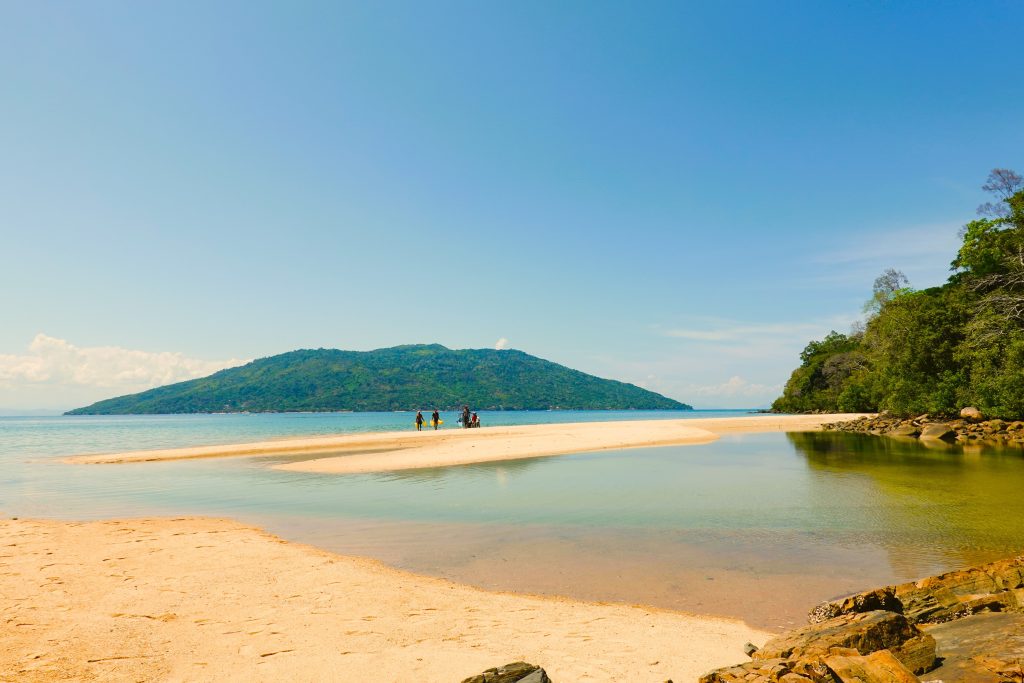
Sea turtle watching tours work the beaches along the park’s northern edge, where four species come ashore to nest: green, hawksbill, loggerhead and the Madagascar big-headed turtle.
The big-headed turtle, Erymnochelys madagascariensis, is critically endangered and depends on exactly this kind of river and wetland system. It also occurs at Ankarafantsika, and the two parks between them hold much of what remains.
Dugongs live in the surrounding waters, along with dolphins. Sightings of dugong are exceptional anywhere in Madagascar, and nobody should travel here expecting one.
Nesting is seasonal and guides at Soalala will know what has been coming ashore recently. Turtle work here overlaps with the tortoise protection, since the same small team covers both, and visitors asking about one usually end up learning about the other.
Birding Tours in an Important Bird Area
Birding tours have a strong case here, since the park was designated an Important Bird Area and species counts run from around 120 up to 250 depending on the survey, with a high proportion endemic to Madagascar.
More than fifty waterbird species use the bay, five of them severely threatened. Madagascar fish eagles work the shoreline, one of the rarest raptors in the world. Ospreys, herons, sacred ibis, plovers and flamingos all occur, and the combination of mangrove, lake, swamp and open water concentrates them.
The waterbird interest peaks when the lakes hold water. Because the park closes through the wet months, most birding here happens as levels are falling, which concentrates birds usefully.
Lemur Watching Tours in the Dry and Bamboo Forest
Lemur watching tours cover eight species across the park’s forest types. Decken’s sifaka and brown lemurs are the ones most often seen, the sifaka white-furred with a dark face and the same species found at Tsingy de Bemaraha further south.
Thirteen mammal species live here in total, with eight of those being primates. Thirty-five to thirty-seven reptile species and eight amphibians round out the list, alongside chameleons and other tortoises.
Vegetation runs from dry deciduous forest through bamboo scrub to mangrove, with lakes, swamps and savanna between. Around 129 plant species have been recorded, more than half of them in the forest sections.
Pirogue Trips and Mangrove Tours in Baly Bay
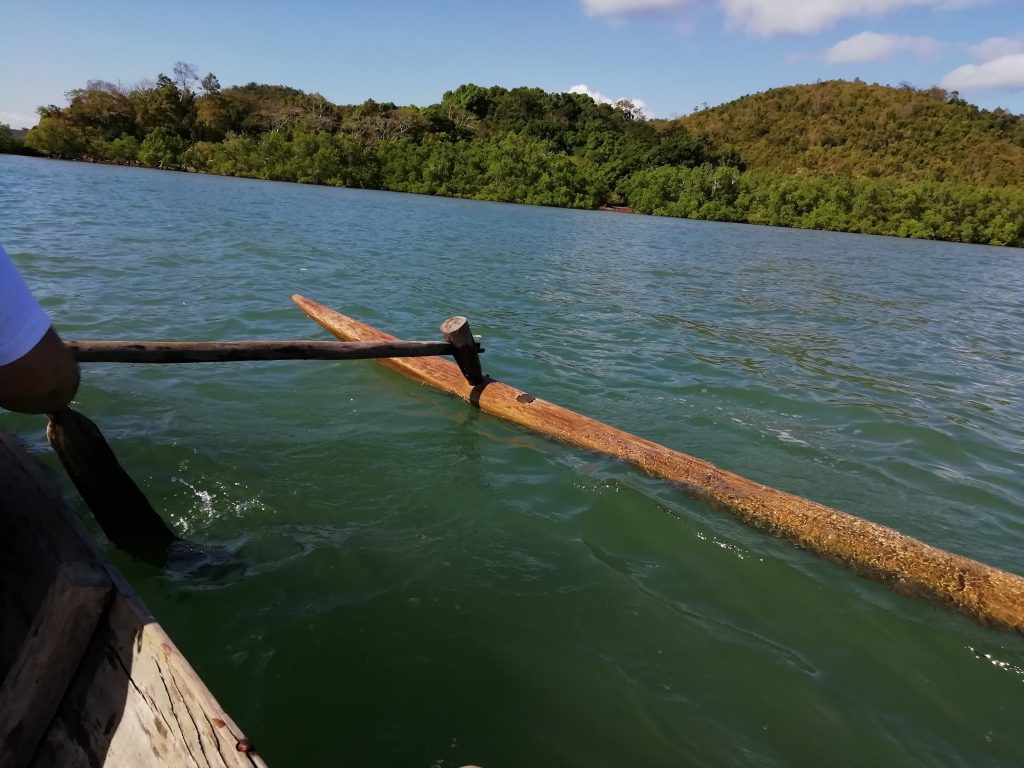
Pirogue trips form part of the longer circuits, since crossing water is unavoidable in a park bordered by the Mozambique Channel to the north and Marambitsy Bay to the east. The Andranomavo River runs through it and the Kapiloza forms the southern boundary.
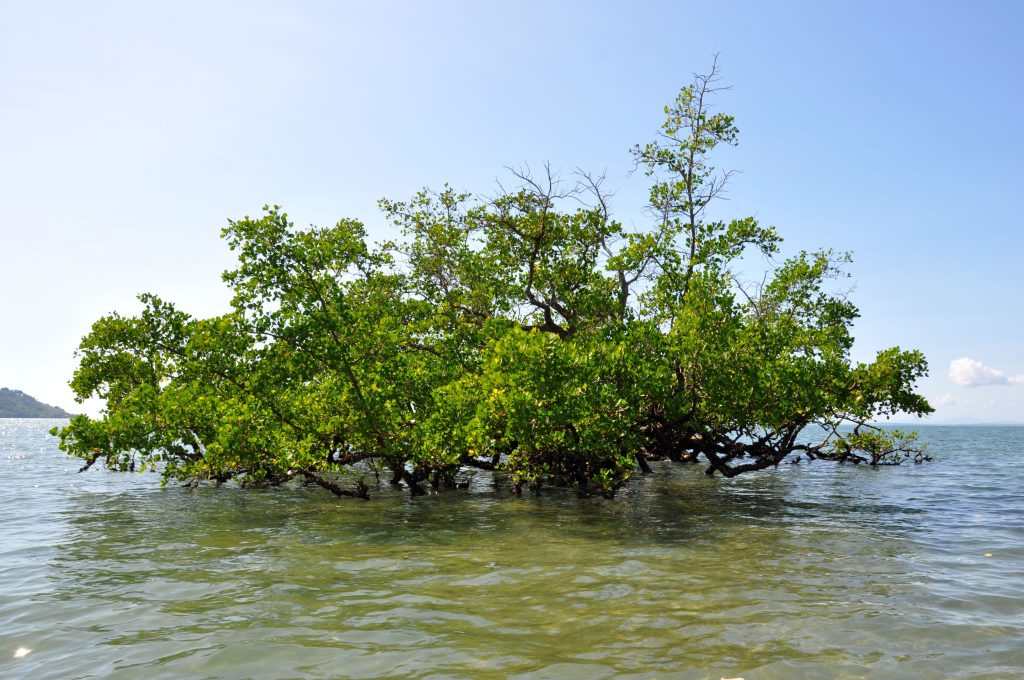
Mangrove channels, sand dunes and beaches make up the coastal edge. Most visitors reach the tortoise habitat by motorboat across the bay before starting to walk, so the water is part of the arrangement rather than an optional extra.
Short circuits. One to two hours, mostly walking in forest near the access points. Lemurs, birds and dry forest botany. What visitors with a single day manage.
Long circuits. Up to six hours combining pirogue, four-wheel drive and walking, including the Beaboaly route where the ploughshare tortoise is found. The reason to come, and the reason to allow more than a day.
Conservation Work and the Captive Breeding Programme
The angonoka has been the subject of one of the longest-running species rescue efforts in Madagascar. A captive breeding facility was set up in 1986 at Ampijoroa, inside what is now Ankarafantsika National Park, run in partnership with an international conservation trust, and animals bred there have been released back into the Baly Bay area.
The work proved that the species could be bred reliably in captivity, which for a time looked like the answer. What followed showed it was not. Demand from collectors turned the tortoise into one of the most valuable reptiles in the illegal trade, and a captive population is no protection when wild animals can still be taken and sold.
Hence the shell engraving. Numbers cut into the carapace are intended to make an animal worthless to a collector who wants an unmarked specimen, a blunt measure that reflects how few options remain. Around fifty people now work on protection within the park, patrolling habitat small enough to cover on foot.
For visitors this means the guiding here carries more weight than at most parks. The people showing you the circuits are the same people doing the protection work, and the fees fund it directly.
Getting to Baie de Baly National Park from Mahajanga
This is among the harder parks in Madagascar to reach. Soalala is the gateway, roughly 150 km from Mahajanga, and there are three ways to get there.
Flying is fastest, with a small airstrip at Soalala served intermittently from the capital. By road you cross Bombetoka Bay to Katsepy, then drive six to nine hours on to Soalala, a two-day expedition by four-wheel drive from Mahajanga in practice. Chartering a boat from Mahajanga takes anywhere from six to fourteen hours depending on the vessel and delivers you closer to the park.
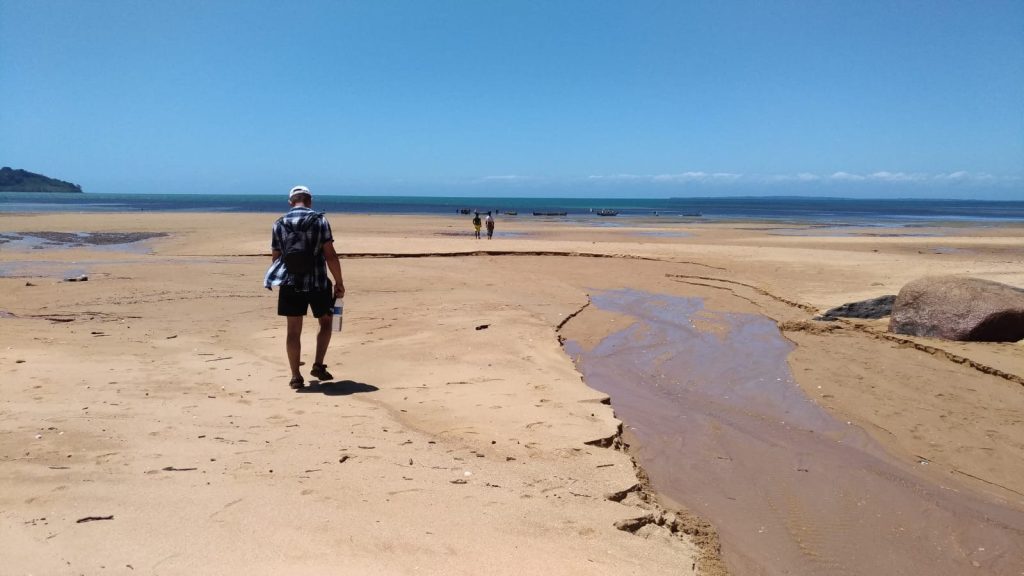
There is no accommodation inside and no proper campsite or sanitary facilities, though wild camping is permitted. Soalala has one rustic hotel. Most visitors base themselves in Mahajanga, which means the travel dominates any itinerary.
Access is only possible from May to October. Outside that window the tracks are impassable and the park shuts in all but name. Note the awkward overlap: tortoise activity and breeding run roughly December to May, so the best months for seeing angonoka sit right at the start of the accessible season. Plan for May or early June if the tortoise is your priority.
Best Time for a Baie de Baly Visit
The park operates on a short season, and within it conditions change considerably.
May. The park reopens and tortoise activity is still high following the breeding period. Lakes hold water and waterbirds are concentrated. The strongest single month if you can reach it.
June and July. Cool, dry and comfortable for walking. Reliable access by road and boat. Reptile activity drops in the cooler weather.
August to October. Warming through this period with the driest conditions of the year. Good for lemurs and birds as vegetation thins. Water sources shrink, which concentrates wildlife.
November to April. Closed in practice. Rain makes the tracks impassable and the park inaccessible. Do not plan around these months.
Frequently Asked Questions
How much does it cost to visit Baie de Baly National Park?
Fees here run higher than the standard national park rate, reported at around 120,000 Ariary per person per day, reflecting the boat transfers built into the circuits and the intensive protection the ploughshare tortoise requires. Guides are compulsory. The dominant cost, though, is reaching Soalala, whether by charter flight, a two-day drive or a boat from Mahajanga. Budget the access first.
Will I actually see a ploughshare tortoise?
Possible but not assured, and honest operators will say so. The Beaboaly circuit is where sightings occur, and the animals are most active around the December to May period, which only partly overlaps with the accessible season. The population is tiny. Treat a sighting as a real event rather than an expectation.
Is there anywhere to stay?
Not inside the park, and facilities are minimal. Wild camping is permitted but there is no campsite and no sanitation. Soalala has a single basic hotel. Most visitors stay in Mahajanga and travel in, which given the distances means committing several days.
How many days do I need?
At least four or five from Mahajanga, and realistically a week if travelling by road. Two days getting there, two in the park, two back. Flying to Soalala compresses this considerably if a flight is available for your dates.
Who should come here?
Serious birders and anyone with a specific interest in tortoise conservation. The bird list justifies the trip on its own. General travellers looking for lemurs and comfort will find Ankarafantsika, on the same side of the country and vastly easier to reach, gives more for far less effort.
Can I combine it with Tsingy de Namoroka?
Yes, and it makes sense given the effort of getting to Soalala. Namoroka borders Baie de Baly and forms a complex with it, protecting limestone tsingy formations. Anyone committing to this corner of the northwest should plan both rather than one.
Why is the tortoise so threatened?
Collectors. The angonoka’s shell has made it among the most valuable tortoises in the illegal wildlife trade, and animals are smuggled to Asian markets in the face of every protection effort so far. Shells are now engraved with identifying numbers to destroy their collector value, though marked animals still surface for sale. Habitat loss from fire and clearance adds to the pressure.
Planning Your Visit
Baie de Baly asks more of a traveller than almost any park in Madagascar and suits a narrow group of people. If you are a birder, or if seeing the world’s rarest tortoise in its only remaining habitat matters enough to spend a week on it, this is worth doing. If not, it is not.
Booking Your Madagascar Trip
The safari companies and tour operators listed on this website put trips like this together for a living and know which camps, guides and routes actually deliver. We are an independent guide to Madagascar; we do not book or sell tours ourselves.
When you are ready, arrange your safari, tour or holiday with one of the recognised operators listed here. Tell them your dates and what matters most, and a real person, not a form, will handle the itinerary, park bookings and logistics for you.