Malagasy Culture and Travelling Respectfully
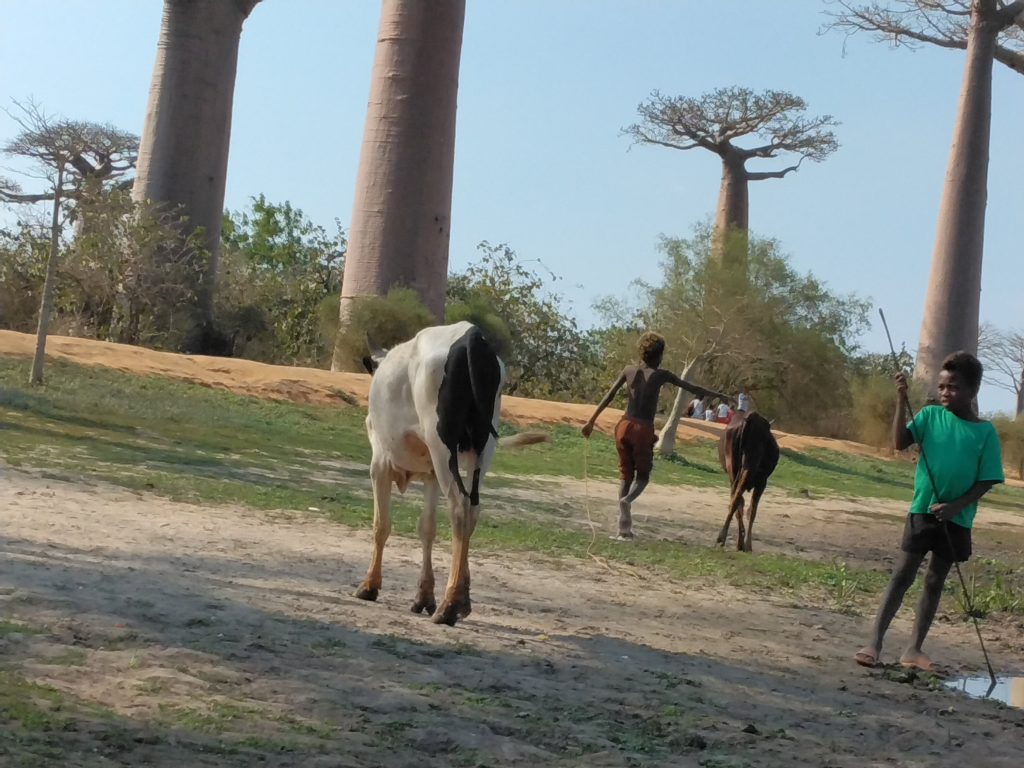
Malagasy society runs on fady, a system of ancestral taboos that varies from village to village and is not written down anywhere. Eighteen recognised ethnic groups occupy the island, from the highland Merina and Betsileo to the coastal Sakalava, Vezo and Antandroy. Knowing a few conventions costs nothing and changes how a visitor is received.
Fady and How It Works
Fady is the closest Malagasy concept to taboo, and it governs conduct in ways that surprise visitors expecting a single set of national rules.
It varies by village, by family and sometimes by individual. A fady might attach to a particular tree, a spring, an animal, a colour, a day of the week or a direction of travel. Pork is fady in some communities and not others. Certain lakes may not be swum in, certain caves not entered.
None of it is written down, which is why guides brief visitors before setting out rather than handing over a list. The rules are usually simple once known, and following them is straightforward.
Ignoring fady causes real offence in a way that is entirely avoidable. It also matters practically, since several protected areas depend on community goodwill to function, and visitors who disregard local custom make that harder for everyone who follows.
Fady is not written down, varies between neighbouring villages, and is taken seriously by everyone. Ask your guide before doing anything you are unsure about.
Ancestors, Tombs and Famadihana
The relationship with ancestors, the razana, is the organising principle of Malagasy spiritual life, and it is visible everywhere.
Family tombs are built of stone and stand prominently in the fields, often more substantial than the houses of the living. In the highlands they are square and whitewashed. In the south, Mahafaly tombs carry carved wooden posts called aloalo, topped with zebu horns marking animals sacrificed at the funeral. Sakalava tombs near Morondava carry funerary sculpture, much of it frankly erotic, asserting continuity between the dead and the living.
Famadihana, the turning of the bones, is the practice most associated with highland Madagascar. Every few years a family exhumes ancestors, rewraps them in fresh silk shrouds and celebrates with music, dancing and feasting before returning them. It takes place in the dry season between roughly June and September.
Visitors are occasionally invited and should never expect or request attendance. These are family occasions with genuine emotional weight, and arriving as a spectator is not appropriate.

The Peoples of Madagascar
Eighteen ethnic groups are officially recognised, and the distinctions are geographic and occupational as much as ancestral.
The Merina occupy the central highlands around Antananarivo and built the kingdom that unified much of Madagascar before French colonisation in 1895. The Betsileo to their south around Fianarantsoa are known for terraced rice cultivation.
The Sakalava hold much of the west and northwest, historically a powerful kingdom in the Menabe region around Morondava. The Vezo of the southwest coast are fishing people, semi-nomadic, and their identity is defined by what they do rather than by descent: the name means those who paddle.
The Antandroy, people of the thorns, herd zebu across the arid deep south. The Antankarana, those of the rocks, take their name from the limestone country at Ankarana where their ancestors sheltered during nineteenth-century conflicts. The Mikea of the southwest forest are among the last groups practising a hunter-gatherer way of life.
Coastal communities carry Comorian, Arab and Indian influence absorbed through centuries of Indian Ocean trade, visible in the food and architecture at Mahajanga and Diego Suarez.
Photography and Sacred Sites
Ask before photographing people, always, and accept a refusal without pressing. This matters more here than the casual habit many travellers bring from elsewhere.
Sacred sites carry restrictions that vary considerably. Some prohibit photography entirely, some permit it in certain areas, and guides brief visitors before setting out.
Specific sites worth knowing: Bara tomb sites near Isalo, where the custom is to indicate with a curled finger rather than pointing. Sakalava royal tombs near Morondava, which need permission and a local guide. Vazimba burial sites in the Manambolo gorge at Tsingy de Bemaraha. Nosy Lonjo in Diego Suarez bay, where landing is not permitted. Several crater lakes at Mont Passot on Nosy Be.
At markets a wide shot of the scene is usually acceptable where an individual portrait is not without asking. Analakely in Antananarivo, Bazary Be in Toamasina and the zebu market at Ambalavao all reward photography with that distinction observed.
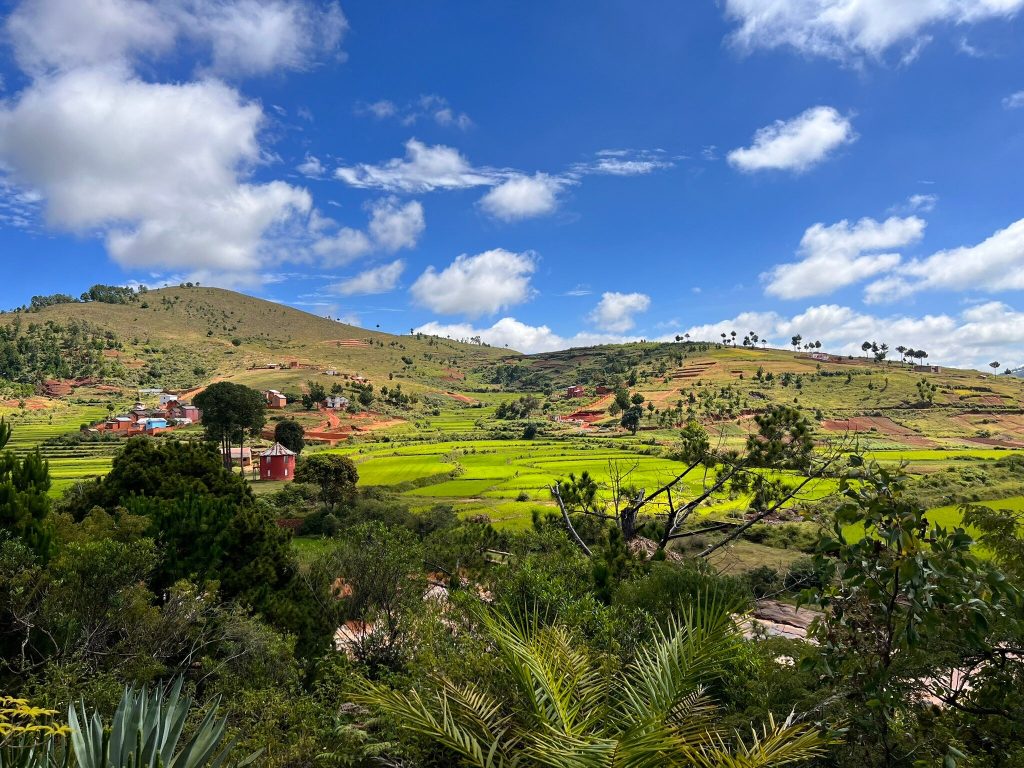
Always ask. Before photographing individuals, before entering a sacred site, before approaching a tomb, and before swimming in any lake or river. A guide will tell you in seconds what would otherwise take a mistake to learn.
Assume restrictions apply. At tombs, sacred lakes and caves, at specific trees identified by guides, and at any site a guide describes as a doany or place of worship. Restrictions are the default rather than the exception at these places.
Dress, Behaviour and Everyday Courtesy
Dress modestly away from beaches and resorts. Shoulders and knees covered is the general standard in villages, markets and at cultural sites, and it costs nothing to observe.
Greetings carry weight. Using manao ahoana for hello and misaotra for thank you is noticed everywhere, particularly outside the tourist circuit, and the effort matters more than the pronunciation.
Communication tends toward indirectness, and blunt refusals or direct criticism are avoided. A guide saying something may be difficult often means it is not possible, and persisting past that point is uncomfortable rather than persuasive.
Mora mora, slowly slowly, describes an attitude to time that shapes daily life. Quoted at a frustrated visitor it is usually good advice rather than an excuse.
Money, Giving and Supporting Communities
Madagascar is among the poorest countries in the world and the poverty is visible, particularly in Antananarivo. Begging is common around tourist areas and travellers respond differently.
Many prefer to support community-run enterprises rather than giving on the street, on the grounds that it puts money into local economies more reliably. Anja Community Reserve is the clearest example: created by Betsileo villagers in 2001 when deforestation was destroying both forest and lemurs, entirely village-owned, with revenue funding local employment and conservation directly.
Similar arrangements operate at VOIMMA and Mitsinjo near Andasibe, at the Honko mangrove reserve near Toliara, at the Mandrare valley camps near Fort Dauphin and in the villages around Tsingy de Namoroka.
Buying directly from craftspeople rather than through shops keeps more of the money with the maker. Nosy Komba’s woodcarvers, the Antemoro paper workshop at Ambalavao and the Antsirabe artisan workshops all sell directly.
Tipping guides, drivers, porters and cooks is customary and not built into quoted rates. For many it forms a meaningful part of what they earn from a trip.

Wildlife tourism ethics are contested at several Malagasy sites. Habituated lemurs are called down with bananas at Nosy Komba’s community reserve and at the Vakona island near Andasibe. Berenty’s ring-tailed lemurs are extremely habituated. Feeding is prohibited inside national parks and enforced. Travellers uncomfortable with the practice can choose Lokobe over Nosy Komba’s reserve, or Anja over Berenty, and see the same species without the interaction.
Conservation, Deforestation and the Visitor’s Role
Forest cover has been reduced to a fraction of its original extent, and the pressures are agricultural clearance, charcoal production and fire rather than logging alone. Around Toliara something in the order of 15,000 hectares of dry forest are cleared each year for fuel.
The species that make Madagascar worth visiting are directly affected. Lemurs are among the most threatened mammal groups on earth, the fossa is vulnerable with projections suggesting decades rather than centuries, and baobab populations are ageing without regeneration on grazed farmland.
Park fees and guide charges are the practical counterweight, since they give communities an economic reason to keep forest standing. Anja’s lemur population recovered after villagers took on management themselves.
Practical conduct matters too. Do not buy wildlife products, tortoises, shells or coral, all of which are illegal to export. Stay on trails. Use reef-safe sunscreen at the marine parks. Carry out rubbish, particularly at the remote camps where nobody else will.
Frequently Asked Questions
What is fady?
The system of ancestral taboos governing conduct in Malagasy communities. It varies by village, family and sometimes individual, attaching to particular trees, springs, animals, colours, days or directions. None of it is written down, which is why guides brief visitors before setting out. The rules are simple to follow once known.
Can I photograph people?
Ask first, always, and accept a refusal without pressing. At markets a wide shot of the scene is usually acceptable where an individual portrait is not without permission. Sacred sites carry their own restrictions, with some prohibiting photography entirely, and guides will explain which apply.
How should I dress?
Modestly away from beaches and resorts, with shoulders and knees covered in villages, markets and at cultural sites. Beachwear is fine at the coast and inappropriate anywhere else. This is a straightforward courtesy that visitors observing it notice being appreciated.
Can I attend a famadihana?
Only if invited, and it should never be requested. The turning of the bones is a family occasion with real emotional significance, held in the dry season between roughly June and September. Arriving as a spectator is inappropriate. Guides will explain the practice, which is the right way to learn about it.
Should I give money to people asking?
Travellers respond differently and there is no single right answer. Many prefer supporting community-run reserves and buying directly from craftspeople, on the grounds that it reaches local economies more reliably. Anja Community Reserve, the Andasibe night-walk forests and the Mandrare valley camps are all village-managed with revenue staying local.
Is lemur feeding acceptable?
It is contested and worth deciding for yourself. Feeding is prohibited inside national parks and enforced. At Nosy Komba’s community reserve and the Vakona island near Andasibe, habituated animals are called down with bananas. The revenue funds communities protecting forest, which is the argument in favour. Lokobe and Anja offer the same species without the interaction.
What should I not buy?
Anything derived from wildlife, including tortoises, reptiles and lemur products, all of which are illegal to export and prosecuted. Rosewood and protected timbers. Shells, coral and sand from marine parks. Precious stones need documentation and vanilla is subject to quantity limits. Buying from a vendor does not make exporting lawful.
How much should I tip?
Tipping guides, drivers, porters and cooks is customary and not included in posted fees or operator quotes. Amounts vary with the length and difficulty of the work. At parks where a specialist tracker improves your odds on a rare species, the tip matters as much as the fee. Budget for it separately.
Planning Your Trip
Travelling respectfully in Madagascar requires very little: ask before photographing, dress modestly away from beaches, follow your guide on sacred sites, and support the community enterprises where money stays local. None of it is onerous and all of it is noticed.
Booking Your Madagascar Trip
The safari companies and tour operators listed on this website put trips like this together for a living and know which camps, guides and routes actually deliver. We are an independent guide to Madagascar; we do not book or sell tours ourselves.
When you are ready, arrange your safari, tour or holiday with one of the recognised operators listed here. Tell them your dates and what matters most, and a real person, not a form, will handle the itinerary, park bookings and logistics for you.