UNESCO World Heritage Sites in Madagascar
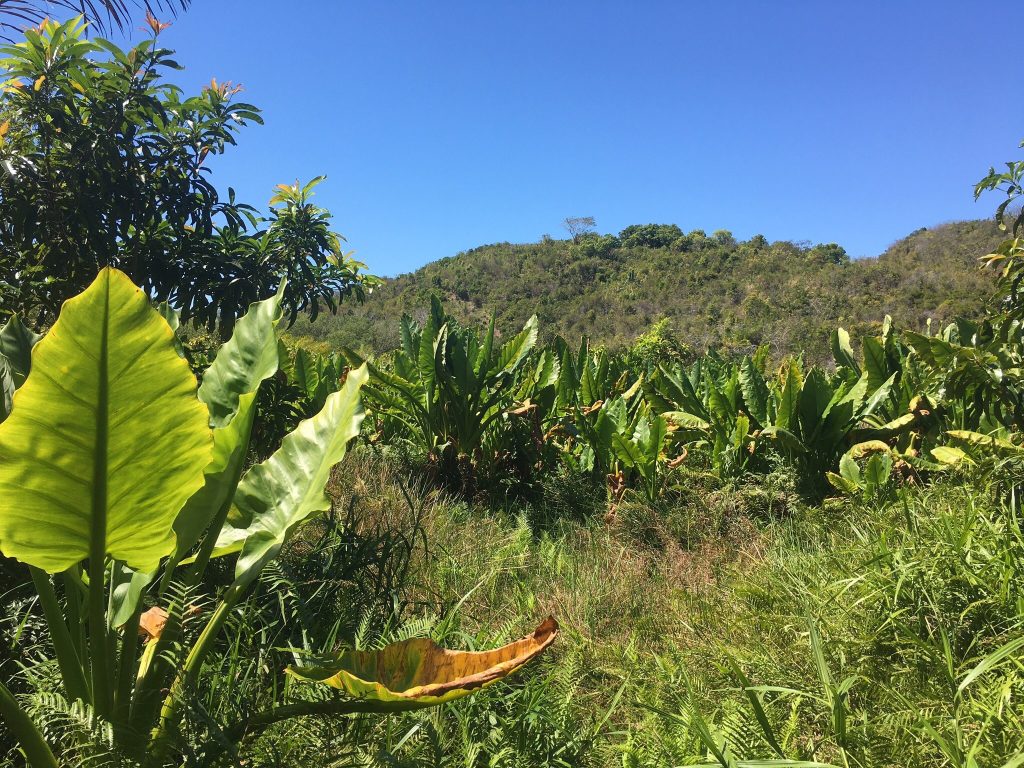
Madagascar holds three UNESCO World Heritage Sites: the Rainforests of the Atsinanana, six eastern parks inscribed together in 2007; the Andrefana Dry Forests, six western and northern sites listed from 1990 and extended in 2023; and the Royal Hill of Ambohimanga, a cultural site near Antananarivo. Knowing which parks are actually listed matters, because several commonly claimed as UNESCO sites are not.
The Rainforests of the Atsinanana
Inscribed in 2007, this listing covers six national parks along the eastern rainforest belt, recognised as a single system whose species evolved in isolation after Madagascar separated from the other landmasses.
The six are Marojejy, Masoala, Zahamena, Ranomafana, Andringitra and Andohahela. That list is worth memorising, because Andasibe-Mantadia is frequently and wrongly described as part of it.
The listing was placed on the World Heritage in Danger list following illegal logging of rosewood and ebony, particularly in the northeast, which remains a live pressure.
What connects them is altitude range and isolation. Between them they cover lowland rainforest at Masoala, montane forest at Marojejy, mid-altitude systems at Ranomafana and Zahamena, high-altitude grassland at Andringitra and the transition to spiny forest at Andohahela.
Of the six, Ranomafana and Andringitra are the accessible ones on the RN7. Marojejy and Masoala require flights and multi-day treks. Zahamena is among the least visited protected areas in the country.
Six rainforest parks, six dry forest sites, one royal hill. Andasibe-Mantadia is not among them, for all being described as UNESCO listed almost everywhere.
The Andrefana Dry Forests
This listing began in 1990 with Tsingy de Bemaraha and was extended in 2023 to cover a further five sites, recognising the western and northern dry forests as a system.
The six are Tsingy de Bemaraha, Ankarana, Analamerana, Ankarafantsika, Mikea and Tsimanampetsotsa.
Dry deciduous forest is among the most threatened habitat types in the world, and the Malagasy version holds species found in no other dry forest anywhere. Mikea alone records 65 reptile and amphibian species, the richest dry forest known.
The tsingy formations at Bemaraha and Ankarana are the visual signature, limestone dissolved over millions of years into fields of razor-edged pinnacles above cave systems running for over a hundred kilometres.
Accessibility varies enormously. Ankarana and Ankarafantsika sit directly on sealed roads. Tsingy de Bemaraha needs six to ten hours over unsealed track with two river ferries. Analamerana and Mikea have almost no infrastructure.

The Royal Hill of Ambohimanga
Inscribed in 2001, Ambohimanga is Madagascar’s only cultural World Heritage Site, sitting about 20 km north of Antananarivo.
This is where the Merina kingdom began, the fortified royal village from which Andrianampoinimerina and his successors unified much of Madagascar in the late eighteenth and nineteenth centuries before French colonisation in 1895.
The site includes the royal compound, tombs, sacred basins and the surrounding forest, and it remains a place of pilgrimage and ritual rather than a museum. Restrictions on conduct apply and guides explain them.
It is considerably better preserved than the Rova palace in Antananarivo, which was gutted by arson in 1995 and has been under reconstruction since. Visitors disappointed by the Rova frequently find Ambohimanga the more rewarding site.
Half a day covers it including travel from the capital, which makes it the easiest World Heritage Site in Madagascar to visit.
Easy to visit. Ambohimanga near Antananarivo as a half day. Ankarafantsika and Ankarana directly on sealed roads. Ranomafana on the RN7. Four sites reachable without difficulty.
Demanding. Tsingy de Bemaraha over rough track with ferries, Andringitra on four-wheel drive tracks, Andohahela’s outer parcels, Tsimanampetsotsa from Anakao. All need planning and the right season.
Genuinely difficult. Marojejy and Masoala requiring flights and multi-day treks or boat crossings. Zahamena with self-supported camping. Mikea and Analamerana with almost no infrastructure.
What Is Not Listed
Several parks are widely described as UNESCO sites and are not, which matters for anyone planning around the designation.
Andasibe-Mantadia is the most common error. It is the most visited park in Madagascar and the reliable site for indri, and it is not part of the Rainforests of the Atsinanana listing. Tour operators and travel sites state otherwise routinely.
Isalo, for all being the second most visited park, is not listed. Neither is Amber Mountain, Madagascar’s oldest national park, nor Lokobe, nor Kirindy Mite, nor Tsingy de Namoroka for all holding the longest cave system in Africa.
Baie de Baly, the only wild habitat of the ploughshare tortoise, is a Biosphere Reserve rather than a World Heritage Site, which is a different UNESCO designation.
None of this affects whether a park is worth visiting. Andasibe is the best short wildlife trip in Madagascar regardless of what it is not listed as.
Check the claim rather than the label. A great many Madagascar itineraries and park descriptions attribute UNESCO status to sites that do not hold it, particularly Andasibe-Mantadia. If the designation matters to your planning, the two natural listings cover twelve parks in total and the cultural listing covers one hill, and nothing else in the country is inscribed.
Intangible Heritage and the Zafimaniry
Alongside the three World Heritage Sites, Madagascar has entries on the UNESCO intangible cultural heritage lists, which cover practice and knowledge rather than places.
The woodcraft knowledge of the Zafimaniry is the best known, recognising the carving tradition of communities in the forested highlands around Ambositra. The work uses geometric motifs carrying associations with family, ancestry and the natural world, and is built without nails.
The recognition covers the body of knowledge itself, which matters because the practice depends on forest that has largely gone. Carvers now buy in timber rather than cutting it locally.
Visiting the villages around Ambositra is the way to see it, on the RN7 between Antsirabe and Fianarantsoa, and buying directly from carvers keeps more of the price with the maker.
Intangible listings do not carry the same protection obligations as World Heritage Sites, but they raise the profile of practices under pressure.
Visiting the Listed Sites
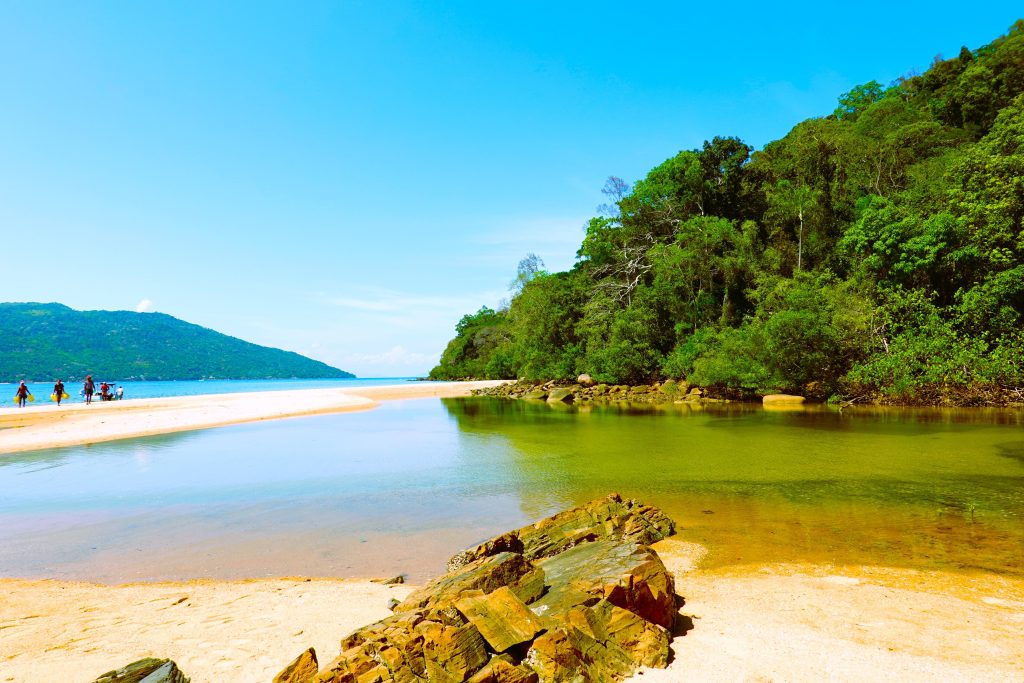
Building an itinerary around the World Heritage Sites is possible but not efficient, since the twelve natural sites are scattered across every region.
The southern circuit covers Ranomafana and Andringitra, both Atsinanana, plus Tsimanampetsotsa in the far southwest if you reach Anakao.
The northern circuit covers Ankarana and, with effort, Analamerana, both Andrefana.
The western circuit covers Tsingy de Bemaraha, and Ankarafantsika sits on the sealed road between Antananarivo and Mahajanga.
The northeast holds Marojejy and Masoala, both Atsinanana and both demanding.
Zahamena, Andohahela and Mikea each require dedicated detours from their respective regions.
Three weeks covers perhaps six or seven of the twelve. A month covers more. Nobody sees all twelve on a single trip without considerable effort.
Tentative List and Future Nominations
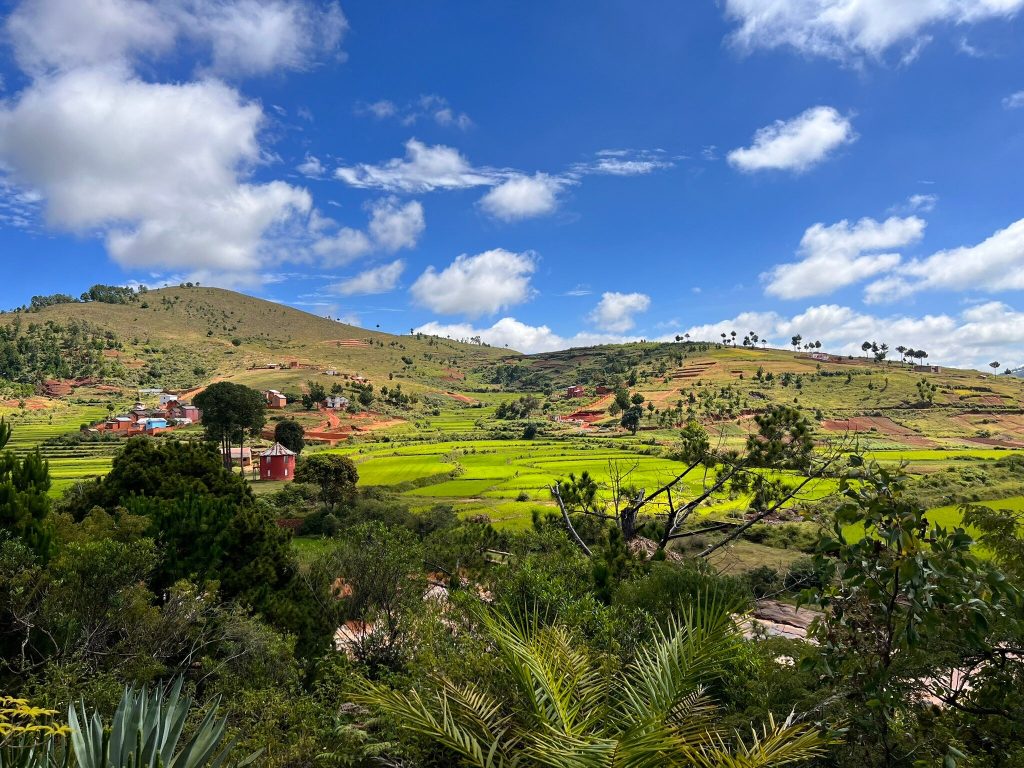
Madagascar maintains a tentative list of sites proposed for future World Heritage inscription, which is the formal step before any nomination proceeds.
Proposals over the years have covered further protected areas, cultural landscapes and sites associated with the Merina kingdom and coastal trading history.
Inscription is slow and demanding, requiring management plans, boundary definition and demonstrated protection capacity, which is difficult for a country where park management resources are already stretched.
The 2023 extension of the Andrefana Dry Forests, which added sites to an existing listing rather than creating a new one, is the more recent example of how the process tends to move here.
For visitors the practical point is that the listed status of a site says something about its recognised value but very little about how easy it is to reach or what facilities exist.
Threats and the Danger List
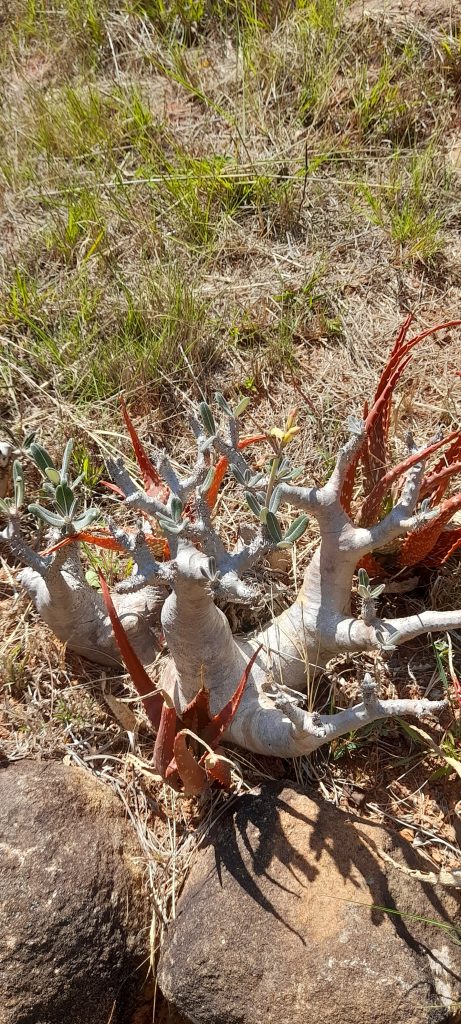
The Rainforests of the Atsinanana were placed on the World Heritage in Danger list following illegal logging, primarily of rosewood and ebony from the northeastern parks.
Marojejy and Masoala were the hardest hit, with logging concentrated in periods of weak governance. The trade in these timbers is prohibited and export is illegal, though enforcement has been inconsistent.
Beyond logging, the pressures are the same as everywhere in Madagascar: agricultural clearance, charcoal production and fire. Around Toliara something in the order of 15,000 hectares of dry forest are cleared annually for fuel, which affects Mikea directly.
The Andrefana extension in 2023 brought five more sites under the listing, which raises their profile and, in principle, the resources available to protect them.
For visitors the practical consequence is straightforward: park fees fund the protection system, and buying rosewood or ebony products contributes directly to the problem.
Frequently Asked Questions
How many UNESCO sites does Madagascar have?
Three listings covering thirteen locations. The Rainforests of the Atsinanana comprise six eastern parks inscribed in 2007. The Andrefana Dry Forests comprise six western and northern sites, listed from 1990 and extended in 2023. The Royal Hill of Ambohimanga is the single cultural site, inscribed in 2001.
Which parks are in the Rainforests of the Atsinanana?
Marojejy, Masoala, Zahamena, Ranomafana, Andringitra and Andohahela. Six parks, and Andasibe-Mantadia is not among them for all being described as UNESCO listed almost everywhere. The listing recognises the eastern rainforests as a single system whose species evolved in isolation.
Which sites are in the Andrefana Dry Forests?
Tsingy de Bemaraha, Ankarana, Analamerana, Ankarafantsika, Mikea and Tsimanampetsotsa. Bemaraha was inscribed alone in 1990 and the other five were added in the 2023 extension, recognising the western and northern dry forests as a system.
Is Andasibe a UNESCO site?
No, though it is described as one constantly by operators and travel sites. Andasibe-Mantadia is the most visited park in Madagascar and the reliable place to see indri, and it holds no UNESCO designation. That does not affect whether it is worth visiting, which it emphatically is.
What is Ambohimanga?
The fortified royal village where the Merina kingdom began, about 20 km north of Antananarivo, inscribed as a cultural site in 2001. It includes the royal compound, tombs, sacred basins and surrounding forest, and remains a place of pilgrimage rather than a museum. Half a day covers it including travel.
Which is the easiest to visit?
Ambohimanga, as a half day from Antananarivo. Among the natural sites, Ankarafantsika sits directly on the sealed RN4 between the capital and Mahajanga, and Ankarana on the RN6 in the north. Ranomafana is on the RN7 southern circuit.
Why are the rainforests on the danger list?
Illegal logging, primarily of rosewood and ebony from the northeastern parks, with Marojejy and Masoala hardest hit during periods of weak governance. The trade is prohibited and export is illegal, though enforcement has been inconsistent. Agricultural clearance and fire add to the pressure.
Can I visit all of them?
Not on one trip without considerable effort. The twelve natural sites are scattered across every region, with Marojejy and Masoala needing flights and multi-day treks, Zahamena requiring self-supported camping and Mikea and Analamerana having almost no infrastructure. Three weeks covers perhaps six or seven.
Planning Your Trip
The UNESCO designation is a useful shorthand for what Madagascar protects and a poor basis for an itinerary, since the sites are scattered and vary enormously in accessibility. What it is genuinely useful for is checking claims, because a good number of parks described as listed are not.
Booking Your Madagascar Trip
The safari companies and tour operators listed on this website put trips like this together for a living and know which camps, guides and routes actually deliver. We are an independent guide to Madagascar; we do not book or sell tours ourselves.
When you are ready, arrange your safari, tour or holiday with one of the recognised operators listed here. Tell them your dates and what matters most, and a real person, not a form, will handle the itinerary, park bookings and logistics for you.