Mikea National Park
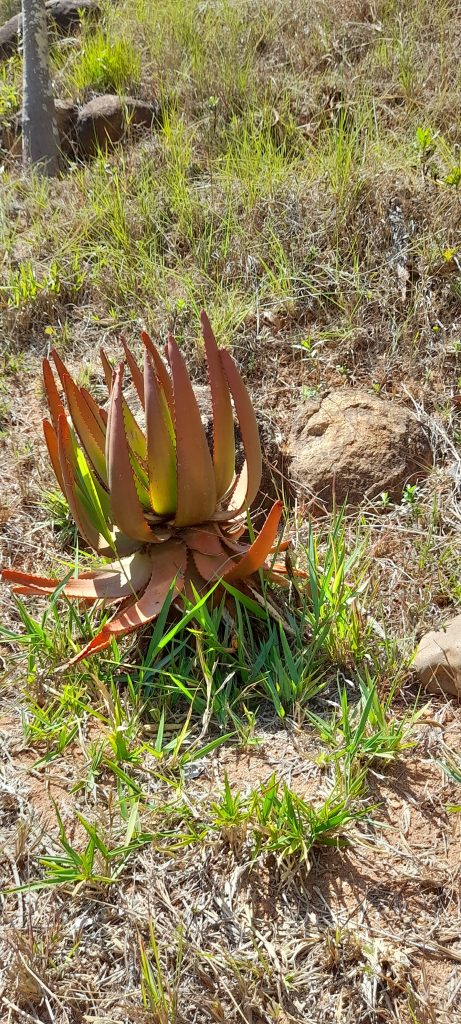
Mikea National Park protects the richest dry forest in the world for reptiles, holding 65 species alongside nine lemurs, three baobabs and two birds found nowhere else on earth. It is also the territory of the Mikea, among the last hunter-gatherers in Madagascar. The park runs 120 km along the southwest coast north of Toliara, covers around 185,000 hectares, and belongs to the UNESCO-listed Andrefana Dry Forests.
Birding Tours for the Subdesert Mesite and Long-Tailed Ground-Roller
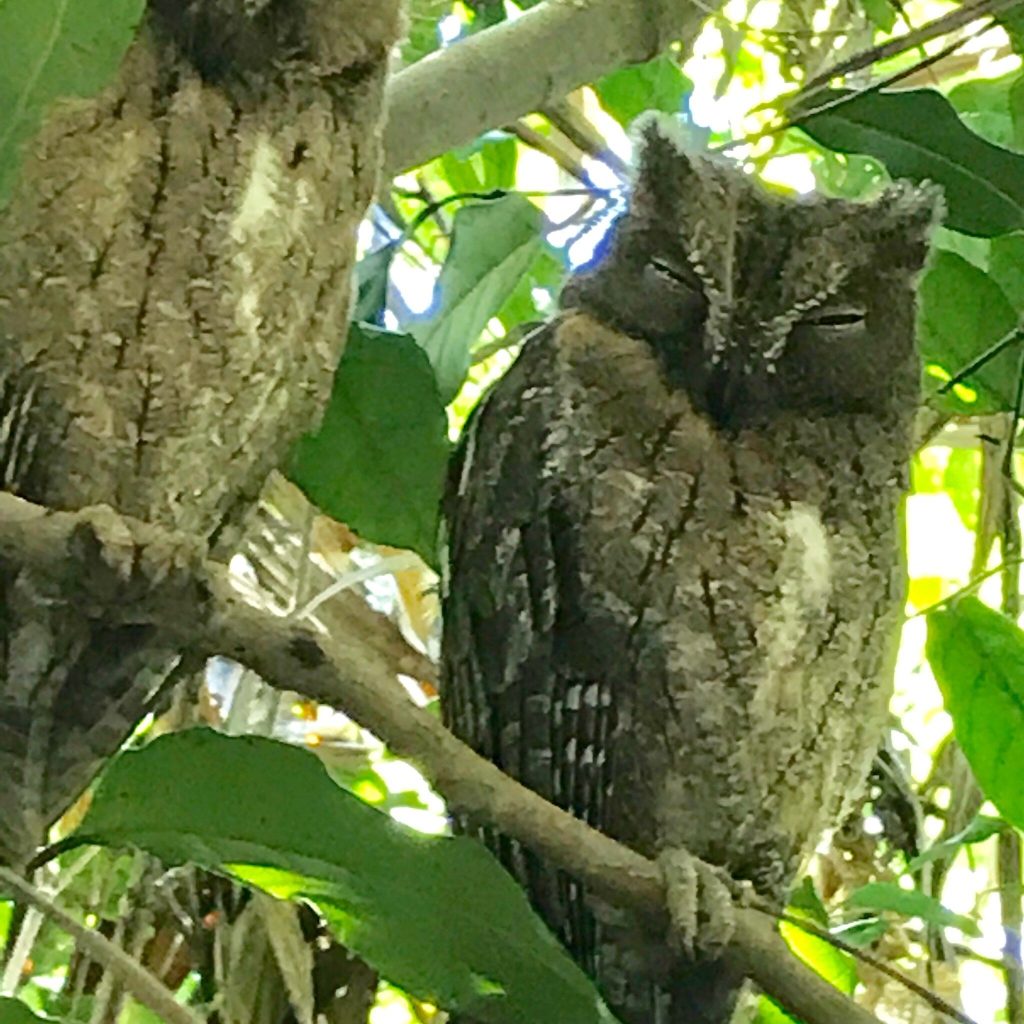
Birding tours are the strongest reason to make the effort here. Two species occur in this forest and nowhere else of consequence: the subdesert mesite, Monias benschi, and the long-tailed ground-roller, Uratelornis chimaera. Both are on the target list of every serious birder visiting Madagascar.
Counts of the bird list vary between around 63 and 98 species depending on the survey, with a very high proportion endemic to Madagascar. Running couas, Chabert’s vangas and sickle-billed vangas turn up on morning walks.
Start early. This is semi-arid country where activity falls away sharply once the sun is up, and the birds you came for are ground-dwelling skulkers that need quiet feet and a guide who knows their calls.
Reptile Spotting Tours in the Richest Dry Forest on Earth
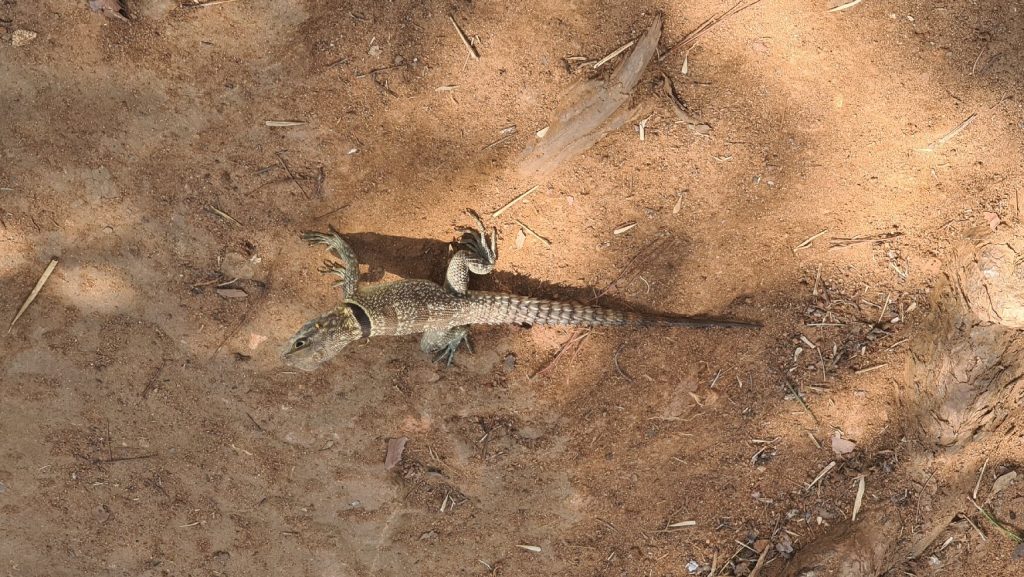
Reptile spotting tours here have a claim few places can match. Sixty-five species of reptiles and amphibians have been recorded, making this the most herpetologically diverse dry forest known anywhere.
Mikea is the only protected area holding three species of Lioheterodon snakes. Local endemics include the snake Liophidium chabaudi, the chameleon Furcifer antimena and a spider tortoise subspecies, Pyxis arachnoides brygooi. At least one Liophidium species found here remains undescribed.
None of the snakes threatens people. What makes the forest productive is the range of substrates, with sandy soils in one part and limestone in another supporting entirely different communities within a short distance.
Sixty-five reptile species, two birds found nowhere else, and an undescribed snake still waiting on a name. Almost nobody visits.
Lemur Watching Tours in the Southwest’s Richest Forest
Lemur watching tours cover nine species, the highest diversity of any forest in southwestern Madagascar. Both diurnal and nocturnal species occur, and fossa are present in the park.
Sightings take work. This is not a park with habituated troops on maintained trails, and the animals behave as wild animals do around people they rarely meet. Guides drawn from local communities know the forest, but nobody here has spent decades tracking individual groups the way they have at Berenty or Ankarafantsika.
Eight micro-mammal species and six bats fill out the mammal list, along with 24 fish species in the lakes and rivers, three of them endemic.
Baobab and Spiny Thicket Walking Tours
Walking tours cross three habitat types: dense dry deciduous forest in the west, xerophilous thicket on limestone, and transitional forest between them, with permanent and seasonal lakes scattered through. The terrain is flat, so the walking itself is easy.
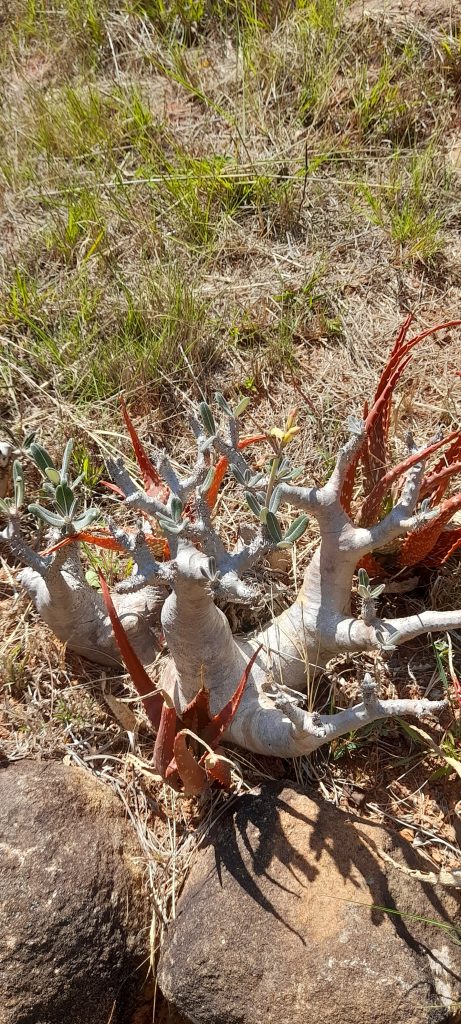
Three of Madagascar’s baobab species grow here: Adansonia grandidieri, A. za and A. rubrostipa. The grandidieri here grow stunted compared with the giants of the Morondava avenue, which is a response to the poorer soils and lower rainfall.
Around 310 plant species have been recorded with roughly 28 percent endemic, including two endemic plant families. Twenty species carry IUCN listings and six are endangered. The octopus trees of the Didiereaceae dominate the thicket and give this country its particular look.
Mikea Cultural Tours and the Forest People
Cultural tours here are inseparable from the wildlife, because this park exists around a people as much as a forest. The Mikea live between Morombe and Toliara and are among the last groups in Madagascar practising a hunter-gatherer way of life, though the label describes a subsistence pattern rather than a distinct ethnicity.
They take water from underground caves within the forest, most of which hold fresh water, and that resource is what makes life possible here through the long dry months. Tenrecs, tubers and wild honey form part of the diet.
The surrounding Masikoro are farmers and herders, and both groups fall under the wider Sakalava umbrella. The distinction locals draw is straightforward: Masikoro are of the land, Vezo are of the sea, and Mikea are of the forest.
This park has almost no tourist infrastructure. There are no lodges inside, no marked circuits of the kind you find at Isalo, and very few visitors. Anyone coming here needs to arrange the trip in advance with the park office at Ankililoaka or through an operator working with local communities. Turning up unannounced is not a workable plan.
Lake and Wetland Tours at Ihotry and Namonty
Wetland tours take in the lakes within and around the park, including Ihotry and Namonty, along with the seasonal rivers at Manombo and Befandriana and the Mangoky at the northern boundary.
These waters hold waterbirds, the endemic fish species and a set of habitats entirely unlike the thicket a few kilometres inland. Water levels swing dramatically between seasons, so what you find depends heavily on when you come.
Birding-focused visit. Two or three days working the thicket at dawn for subdesert mesite and long-tailed ground-roller. What most of the few visitors come for. Needs a specialist guide arranged ahead.
Broader visit. Adds the lakes, the baobab stands and time with Mikea communities. Suits travellers already based at Ifaty or Mangily who want something beyond the reef.
Underground Caves and Water in the Mikea Forest
The forest sits over a network of underground caves, most of them holding fresh water, and that hidden supply is the reason human life is possible in country receiving rain on only a handful of days a year. The Mikea have drawn on these caves for generations, and knowledge of where they are and how to reach them is passed down rather than mapped.
The same limestone that stores the water shapes the vegetation above it. Thicket growing on limestone differs from thicket on the sandy soils further west, and the two support different reptile and plant communities within a short walk of each other. That patchwork is a large part of why the species counts here run so high for a forest this dry.
Visitors should not expect cave tourism of the kind offered at Ankarana. These are working water sources rather than show caves, access is restricted, and guides will tell you which sites are open. What matters for a visit is knowing why the forest supports what it does, and the answer lies underneath it.
Getting to Mikea National Park from Toliara
The route in runs from Toliara on National Road 9 toward Ankililoaka, where the Madagascar National Parks office sits and where visits are arranged. The park lies roughly 120 km north of Toliara along the coast between Ifaty-Mangily and Morombe.
Toliara has an airport with flights from Antananarivo, and the RN7 arrives there from the highlands. A four-wheel drive is needed beyond the main road, and local guidance is more useful than any map.
Accommodation means the beach hotels at Ifaty and Mangily to the south, or Morombe to the north, with the park visited as a day trip or a camping expedition. Management is a partnership between the state and local communities, with financial backing from the national protected areas foundation since 2019.
Best Time for a Mikea Visit
This is one of the driest parts of Madagascar. Rain falls on only a handful of days, mostly in February, and the rest of the year runs warm to hot, sunny and dry.

April and May. After what little rain arrives, the thicket greens briefly and temperatures ease. Good conditions for walking and reasonable access.
June to August. The cool season, with temperatures dropping to around 14 degrees at night. The most comfortable months for walking and the best road conditions. Reptiles are less active in the cool.
September to November. Warming, with reptiles and birds becoming more active. Strong for the mesite and ground-roller as breeding gets under way. Midday heat builds through this period.
December to March. Hot season, with temperatures at their peak and the little rain the region receives falling around February. Tracks can wash out. Wildlife is active but conditions are demanding.
Frequently Asked Questions
How much does it cost to visit Mikea National Park?
Entry follows the standard Madagascar National Parks rate of 45,000 Ariary per adult per day, with children under twelve at 25,000 Ariary, paid in cash at the Ankililoaka office. Guides are compulsory and charged per group. The dominant cost is a four-wheel drive and driver out of Toliara, since there is no public transport to the park and no infrastructure once you arrive.
Is there anywhere to stay in the park?
No. Visitors base themselves at the beach hotels around Ifaty and Mangily south of the park, or at Morombe to the north, and travel in. Camping is possible but must be organised in advance with the park office, and you carry everything including water.
Who should actually come here?
Birders chasing the subdesert mesite and long-tailed ground-roller, and herpetologists. Those two groups make up most of the very small visitor numbers. General travellers wanting lemurs and comfort are better served by Isalo or Ankarafantsika, both far easier and with more reliable sightings.
Is the walking difficult?
The terrain is flat and rated easy. Heat and the absence of shade are the real difficulties, along with the lack of facilities. Carry far more water than seems reasonable and start at first light.
Can I meet the Mikea people?
Community visits can be arranged through the park office and local operators, and the communities are directly involved in managing the protected area. Go through official channels rather than turning up, and follow your guide on photography and on which areas are open to visitors.
What threatens the forest?
Charcoal production above all. Something in the order of 15,000 hectares of dry forest around Toliara are cleared each year for fuel, much of it illegally, against reforestation efforts a fraction of that size. Satellite monitoring has recorded substantial tree cover loss across the wider Mikea forest area. Visitor revenue is one of the few counterweights.
How does it combine with the rest of the southwest?
Naturally with Ifaty and Mangily for the reef, and with Toliara as the hub. Travellers finishing the RN7 at Toliara can add Mikea before flying out. Tsimanampetsotsa lies south of the city and makes a contrasting pair, since both protect spiny country but under very different conditions.
Planning Your Visit
Mikea rewards a specific kind of traveller and disappoints everyone else, which is worth being clear about before you commit a vehicle and three days to it. If the bird list is what draws you, nothing substitutes for this forest. If it is not, there are easier parks.
Booking Your Madagascar Trip
The safari companies and tour operators listed on this website put trips like this together for a living and know which camps, guides and routes actually deliver. We are an independent guide to Madagascar; we do not book or sell tours ourselves.
When you are ready, arrange your safari, tour or holiday with one of the recognised operators listed here. Tell them your dates and what matters most, and a real person, not a form, will handle the itinerary, park bookings and logistics for you.