Malagasy Food Guide
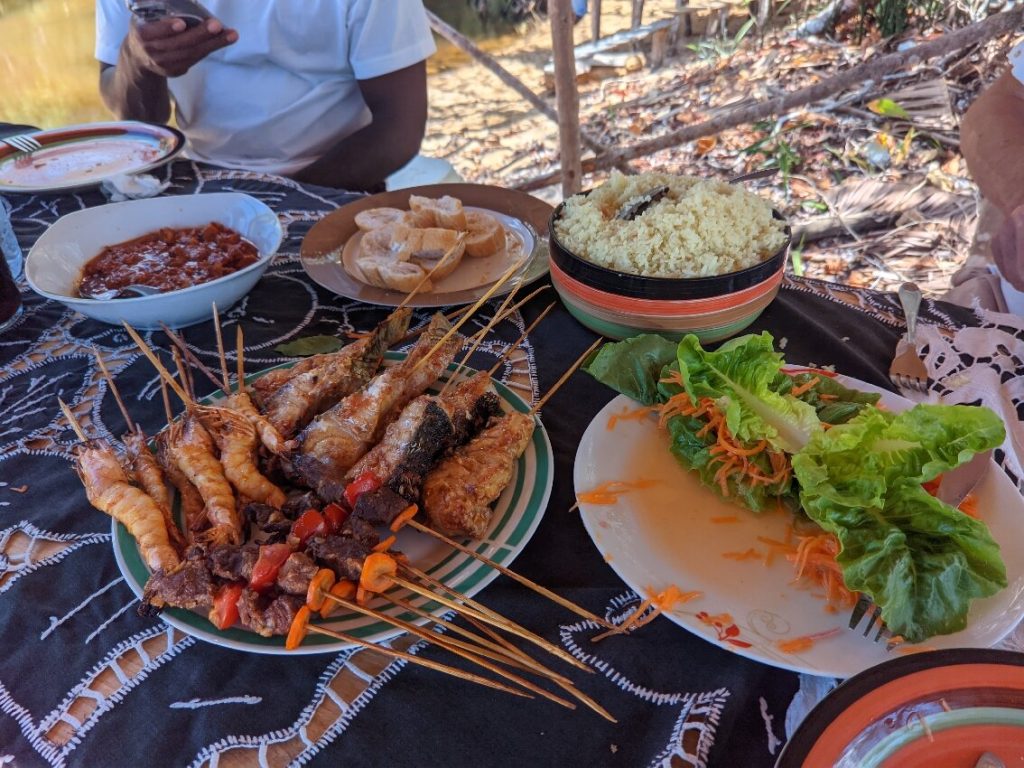
Malagasy cooking is built on rice and laoka, the sauced dish served alongside it, and that structure holds at every meal across the country. The national dish is romazava, a zebu and greens stew, and the other staple is ravitoto, pounded cassava leaves with pork. Rice is eaten at breakfast, lunch and dinner, and the Malagasy word for eating a meal is built around it.
Rice and Laoka: How a Malagasy Meal Works
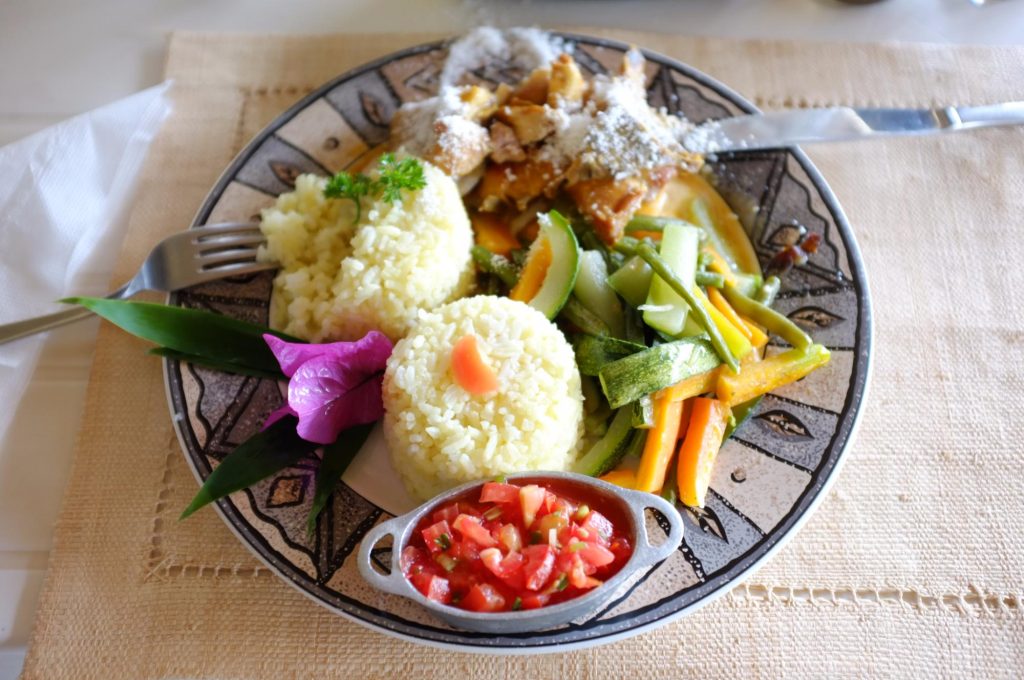
Grasping one structure explains most of what you will be served. A plate arrives with a substantial mound of rice, called vary, and one or two laoka in sauce alongside, plus sometimes a spoonful of pickled vegetables called lasary.
Laoka is a category rather than a dish. It might be meat, fish, greens or beans, typically stewed with tomato, ginger, garlic, onion and turmeric. Coastal communities favour seafood, inland areas lean on zebu and poultry, and the same name covers both.
Portions of rice are larger than most visitors expect, and the laoka is the flavouring rather than the bulk. Malagasy people eat rice at every meal including breakfast, and consumption per head is among the highest anywhere.
Rice is so central that the Malagasy phrase for eating a meal is built around the word for it. A plate without rice is not a meal.
Romazava and the Seven Royal Dishes
Romazava is the dish to try first. The name translates roughly as clear broth, and it is a gently simmered stew of zebu meat with leafy greens, flavoured with tomato, garlic and ginger.
The greens are what make it distinctive. Brèdes mafana, also called anamalao, produce a mild tingling numbness on the tongue that catches first-time eaters by surprise. It is not chilli heat but something closer to a sensation than a flavour.
The dish was historically reserved for royalty and counted among the hanimpitoloha, the seven royal dishes of the Merina court. It is now eaten everywhere and appears on almost every restaurant menu in the country.
Ravitoto and Everyday Cooking
Ravitoto is the other dish you will meet constantly. Cassava leaves are pounded to a dark green mash and slow-cooked, most often with pork, sometimes with zebu, and frequently with coconut milk on the coast.
The combination works because the slight bitterness of the greens balances the richness of the fatty pork. It is served with rice and usually with fresh tomato relish, and it appears at celebrations as well as everyday meals.
A vegetarian version exists, cooked with coconut milk and spices rather than meat, and is one of the more reliable options for travellers avoiding meat.
Zebu, Seafood and Regional Differences
Zebu is the cattle of Madagascar and the meat that defines highland cooking. Zebu steak appears on most restaurant menus and is reliably good, leaner and more strongly flavoured than European beef.
On the coast, seafood takes over. Prawns, crab, lobster, tuna and octopus are abundant and inexpensive, and grilled fish with rice is the standard coastal meal. Tilapia cooked Malagasy-style, in a sauce of tomatoes, watercress, onion, garlic and ginger, is common inland where the lakes supply it.
Regional influences run deeper than ingredients. Mahajanga and the northwest carry a strong Comorian, Indian and Arab imprint, with more spice and coconut milk than the highlands use. Antsirabe and the highlands have a dairy tradition inherited from Norwegian missionary agriculture, which is why yoghurt and cheese exist there and rarely elsewhere.

Highlands. Zebu, rice, romazava, ravitoto, highland vegetables including potatoes, carrots and leeks. Dairy at Antsirabe. French influence in the towns, with good bakeries and patisseries in Antananarivo and Fianarantsoa.
Coast and islands. Seafood in quantity, coconut milk, more spice. Comorian and Indian influence in the northwest, Creole notes in the east. Fresh tropical fruit year-round and better value than anything imported.
Street Food and Snacks
Street food in Madagascar is simple, cheap and worth trying where it is cooked in front of you and served hot.
Mofo gasy, meaning Malagasy bread, is a slightly sweet rice-flour pancake cooked in moulds and sold from morning stalls, usually eaten with coffee. Mofo anana is the savoury version, a fritter of chopped greens deep-fried and sold by the piece.
Samosas turn up everywhere, closer to the Indian original in Mahajanga and Diego Suarez than in the highlands. Grilled zebu skewers, fried bananas, fresh coconut and roasted peanuts fill out the roadside offering.
Koba is the sweet to look for, made from ground peanuts, rice flour and banana, wrapped in banana leaves and steamed for hours. It is sold in slices from market stalls and is a highland speciality.
Sakay, Lasary and Malagasy Seasoning
Malagasy cooking is not hot as a rule, and the heat sits on the side rather than in the dish. Sakay is the chilli paste that comes with almost every meal, made from small hot chillies with garlic and ginger, and a small spoonful transforms a plate of rice and laoka.
Lasary is the pickled vegetable relish that accompanies meals, varying from a simple tomato and onion salad to more elaborate preparations with green mango or carrot.
Vanilla is Madagascar’s most famous export and appears in cooking less than visitors expect, since it is a cash crop grown for export rather than a domestic staple. Where it does appear, in sauces and desserts, it is worth ordering.
Fruit, Markets and Buying Food Locally
Tropical fruit is abundant, cheap and one of the pleasures of travelling here. Lychees flood the east coast markets around December, when Toamasina ships enormous volumes and prices collapse. Mangoes, bananas, pineapples, custard apples and jackfruit fill the stalls through the year.
Markets are where to buy. Analakely in Antananarivo, Bazary Be in Toamasina and Morondava, and the covered markets at Diego Suarez and Antsirabe all sell produce at prices well below what hotels charge. Bring a cloth bag, since plastic bags were banned in 2017.
Vanilla and cloves are the buys worth making. The east coast around Toamasina and the SAVA region in the northeast are the growing areas, and buying there costs a fraction of the airport price. Spice sellers near Avenue de l’Indépendance in Antananarivo are the fallback.
Bargaining does not apply to food and produce, where prices are fixed in practice and haggling is considered rude. It applies to handicrafts, which is a separate transaction entirely.
Drinks, Rum and THB
Three Horses Beer, universally called THB, is the national lager and is brewed at Antsirabe. It is available everywhere and is what most people drink with a meal.
Rum is the local spirit, and rhum arrangé is the version worth trying: rum steeped with vanilla, fruit, spices or ginger, served at most bars and restaurants and varying by house. Toaka gasy is the home-distilled version, considerably stronger and of unpredictable quality.
Ranovola or ranon’ampango is the traditional drink, water boiled in the pan with the toasted rice crust left after cooking, producing something between a tea and a broth. It is served free with meals in many local restaurants.
Madagascar makes wine in the hills around Fianarantsoa, an inheritance from French colonial agriculture. Set expectations accordingly: it is sweeter and more rustic than European bottles, and the local grey wine is the curiosity most visitors remember.
Drink bottled or treated water throughout, including for brushing teeth, and be cautious with ice unless you know it was made from treated water. Food that is cooked and served hot is reliably fine, including street food prepared in front of you. Raw salads, unpeeled fruit and anything that has been sitting are the usual sources of trouble.
Vegetarian and Vegan Eating
Vegetarian eating is workable with some persistence. Malagasy families eat vegetarian food at home most days because meat is expensive, but restaurants assume that anyone eating out wants meat, which creates an odd gap.
Vegetarian ravitoto with coconut milk is the most reliable option. Vegetable laoka, lasary and rice with beans appear on most menus. Fresh vegetables are abundant in the highlands, where potatoes, carrots, leeks and green beans grow well.
Vegan eating is harder, since coconut milk helps but many dishes are cooked with meat stock or fat. Explaining requirements clearly and asking at lodges in advance works better than negotiating at the table, particularly at remote places with fixed menus.

Frequently Asked Questions
What is the national dish of Madagascar?
Romazava, a slow-cooked stew of zebu meat with leafy greens including brèdes mafana, flavoured with tomato, garlic and ginger. The greens produce a mild tingling sensation on the tongue that surprises first-time eaters. It was historically one of the seven royal dishes of the Merina court and is now eaten across the country.
How much does eating out cost?
Very little by international standards. Meals at local eateries cost a few US dollars, street food less, and even restaurant dining in Antananarivo or Nosy Be rarely reaches European prices. Where costs rise is at remote lodges that include compulsory half board because there is nowhere else to eat, such as Setam Lodge at Ranomafana and the Masoala peninsula properties.
Is Malagasy food spicy?
Not usually. The cooking itself is mild and aromatic, built on ginger, garlic, tomato and turmeric rather than chilli. Heat comes from sakay, the chilli paste served alongside, which lets each person adjust their own plate. The tingling from brèdes mafana in romazava is a distinct sensation and not chilli heat.
Can vegetarians eat well?
With some effort. Vegetarian ravitoto with coconut milk is the most reliable dish, and vegetable laoka, lasary and rice with beans are widely available. Restaurants assume diners want meat even though families eat vegetarian at home most days, so asking directly helps. Vegan eating is harder because of meat stock and fat in many dishes.
Is street food safe?
Food cooked in front of you and served hot is reliably fine, and mofo gasy, samosas, grilled skewers and fried snacks are all worth trying. Avoid anything sitting at ambient temperature, raw salads and unpeeled fruit. Drink bottled or treated water and be cautious with ice.
What should I definitely try?
Romazava and ravitoto as the two defining dishes. Zebu steak in the highlands and grilled seafood on the coast. Mofo gasy from a morning stall with coffee. Koba as a sweet. Rhum arrangé in the evening. Ranovola, the toasted rice water served free in local restaurants, for the experience rather than the flavour.
Where is the food best?
Antananarivo has the widest range, since ingredients arrive from every region and French influence has left good bakeries and restaurants. Mahajanga eats well thanks to Comorian, Indian and Arab kitchens alongside daily seafood. The coast beats the interior for fish everywhere you go, and Antsirabe is unusual for dairy.
Can I do a cooking class?
Yes, and they are widely offered, often including a market visit to choose ingredients. Villages near Andasibe and around Antananarivo run community-based cooking experiences, and lodges elsewhere arrange them on request. Learning to make romazava or mofo gasy is a straightforward way to spend an afternoon.
Planning Your Trip
Malagasy food is simpler than the island’s biodiversity might suggest, built on a small number of dishes repeated with regional variation. That consistency is part of its interest, and travellers who order romazava in the highlands and again on the coast will taste the difference the region makes.
Booking Your Madagascar Trip
The safari companies and tour operators listed on this website put trips like this together for a living and know which camps, guides and routes actually deliver. We are an independent guide to Madagascar; we do not book or sell tours ourselves.
When you are ready, arrange your safari, tour or holiday with one of the recognised operators listed here. Tell them your dates and what matters most, and a real person, not a form, will handle the itinerary, park bookings and logistics for you.