Antsiranana (Diego Suarez)
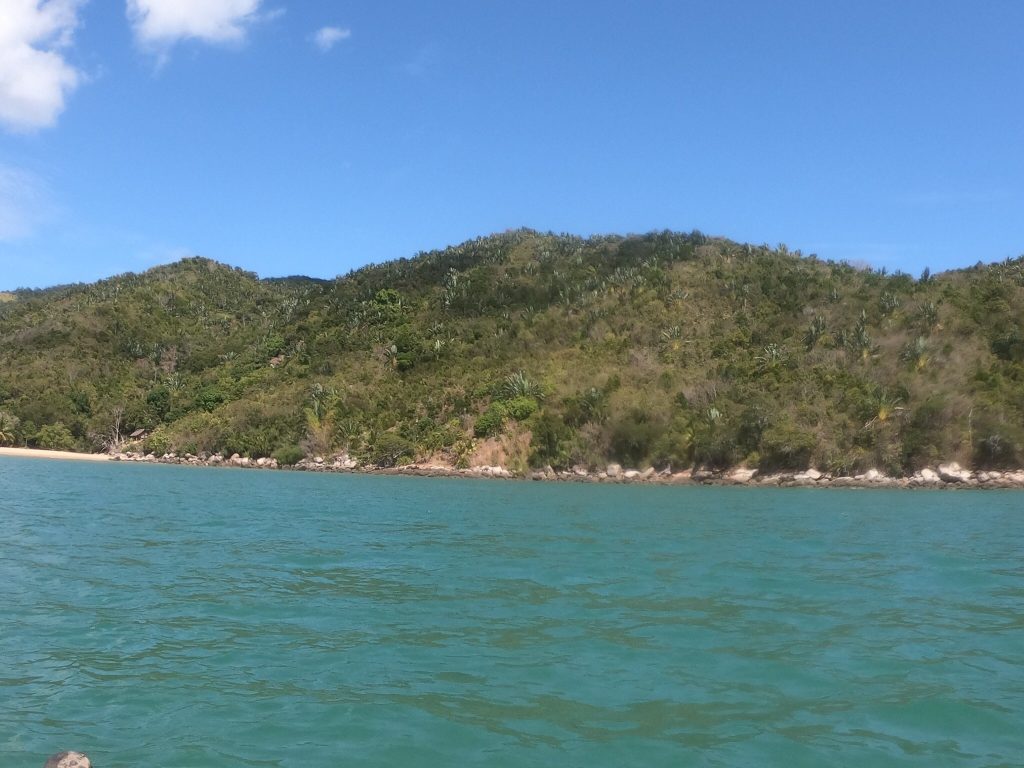
Antsiranana, still widely called Diego Suarez, sits on one of the largest natural harbours in the world at Madagascar’s northern tip, and works as the base for the whole northern circuit. From here you reach the Emerald Sea, the Three Bays, Amber Mountain, Ankarana and the Red Tsingy. The city itself has colonial avenues, a covered market and a steady wind that has made it a kitesurfing centre.
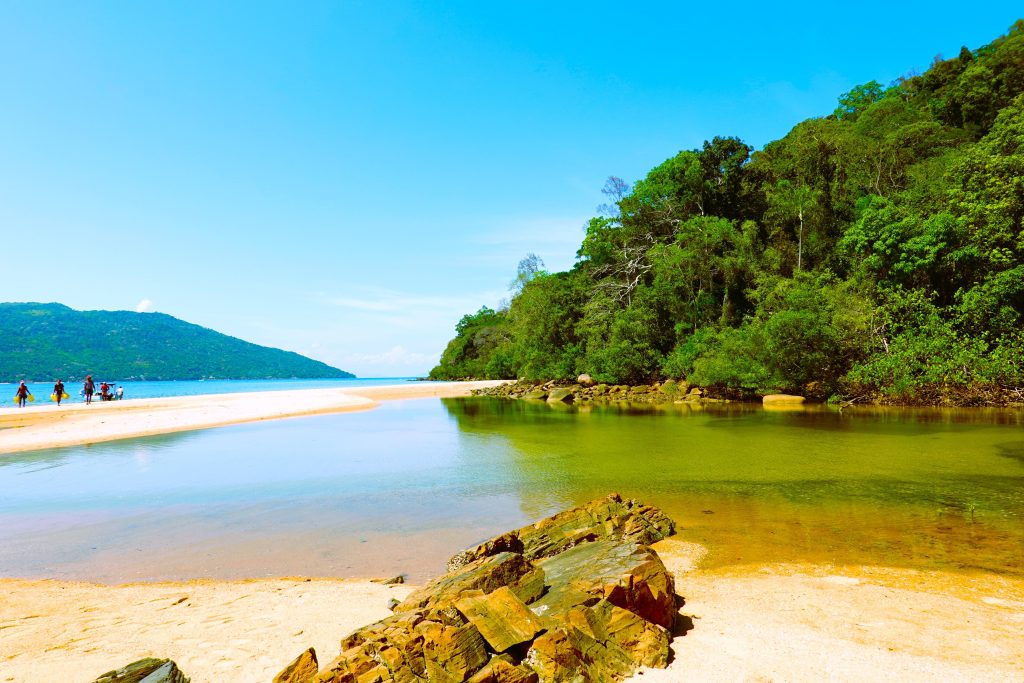
City Walking and Tuk-Tuk Tours in Antsiranana
Walking tours of the centre take an hour or two and cover wide colonial avenues, weathered French buildings and the old military quarters that reflect the city’s history as a naval base. Tuk-tuks are the local transport and tuk-tuk tours are the standard way visitors see the city.
The covered market is the best single stop, less overwhelming than Analakely in the capital and easier to navigate. Craft shopping is decent and prices are lower than in Nosy Be.
Nosy Lonjo, the Sugar Loaf, is the small conical island in the bay and the city’s emblem. It is a sacred site, so landing on it is not permitted, but it appears in every view across the water and is passed on boat trips out toward Ramena.
Emerald Sea Boat Trips from Ramena
The Emerald Sea is the outing most visitors book, a shallow lagoon at the mouth of the bay where a white sand bottom turns the water green. Boats leave from Ramena beach, about 20 km east, and cross in roughly forty minutes to an hour.
Trips include snorkelling on largely undamaged coral, lunch on an uninhabited islet and several hours on empty beaches. Between May and November the trade winds make the return crossing wet and cold, so bring a dry bag and a windproof layer.
Nosy Hara Marine Park lies further north, a scatter of limestone islands reachable on longer excursions or overnight bivouacs. It sees a fraction of the visitors and the reefs are in good condition.
Three Bays Tours and Ramena Beach
Les Trois Baies, the Three Bays, is the other standard excursion: Sakalava Bay, Dunes Bay and Pigeon Bay in sequence along the peninsula east of the city. Wild beaches, turquoise water and almost nobody on them.
Four-wheel drive tours cover all three in a day, usually with a giant baobab stop and a seafood lunch at Ramena. Walking between the bays is possible and rewarding for anyone with the time.

Ramena itself is a fishing village with a beach, restaurants and a relaxed atmosphere, about forty-five minutes from the city by taxi. Many visitors base themselves there rather than in Diego, particularly if the lagoon and the bays are their main interest.
Antsiranana Bay is routinely described as the second-largest natural harbour in the world. Whether or not the ranking holds, the scale of it is the first thing you notice.
Kitesurfing and Windsurfing Trips at Sakalava Bay
Sakalava Bay is the best-known kitesurfing spot in Madagascar, driven by the Varatraza, the trade wind that blows reliably across the north for much of the year. Schools and lodges operate at the bay and cater to all levels.
Flat water inside and waves on the reef outside give the spot range. The Emerald Sea offers a second and less crowded option for experienced riders, with downwinders along twelve kilometres of lagoon.
Wind season runs roughly May to November, which is also when the day-trip boat crossings get rough. Kiters and snorkellers want opposite conditions here, which is worth knowing when picking dates.
Montagne des Français Hiking Tours
Hiking tours up Montagne des Français, the French Mountain, start about 12 km outside the city on the Ramena peninsula. The climb takes around two hours each way and is steep enough to be hard work in the heat.
At the top are ruins of French colonial fortifications, an old tunnel used for moving weapons and supplies, and a Catholic pilgrimage site. The view covers the bay, Ramena, Nosy Lonjo and the Three Bays.
A guide is recommended since the trail is poorly marked. At the foot of the mountain grow Adansonia suarezensis, a baobab species restricted to this corner of the north and worth seeing on the way past.
Day Trips to Amber Mountain, Ankarana and the Red Tsingy
Diego Suarez is the launch point for the northern parks. Amber Mountain National Park lies about an hour inland, a cool montane rainforest with waterfalls, crater lakes and chameleons, and makes a straightforward day trip.
The Red Tsingy sits roughly 60 km south off the RN6, best visited in early morning or late afternoon when low light drives the colour. Ankarana Special Reserve is further down the same road at around 108 km, with limestone tsingy, bat caves and crowned lemurs, and deserves an overnight rather than a day trip.
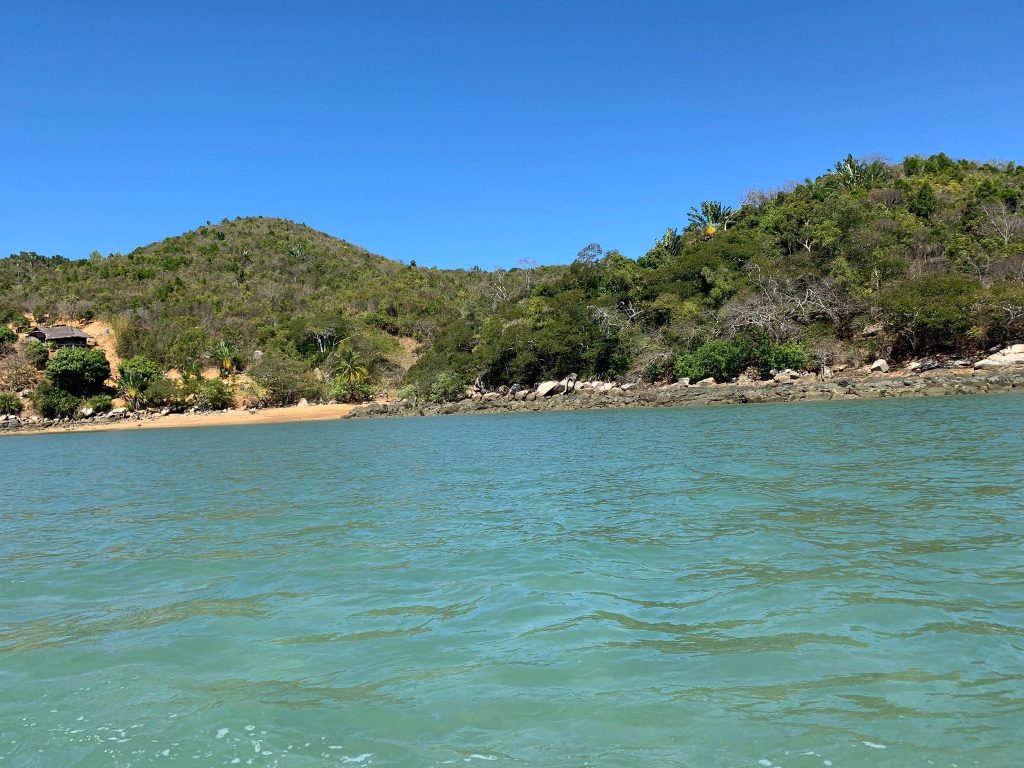
Combining the Red Tsingy with Ankarana on the drive south makes better use of the road than doing each separately.
Base in Diego Suarez. More hotels, restaurants and services, plus the airport. Better for day trips inland to Amber Mountain and south along the RN6. Twenty minutes further from the boat departures.
Base in Ramena or Sakalava. On the beach, closer to the Emerald Sea departures and the Three Bays, and where the kitesurf lodges are. Quieter, fewer restaurants, and a taxi ride from the city.
Antankarana Culture and the History of the Bay
The Antankarana are the people of this northern tip, their name meaning those of the rocks, a reference to the limestone country inland at Ankarana where their ancestors sheltered during nineteenth-century conflicts with the expanding Merina kingdom. Caves in that reserve still hold significance for them.
The bay itself carries a European name from a Portuguese navigator, and the city was developed by the French as a naval base after they took control in the 1880s. That military history explains the street plan, the wide avenues and the fortifications on Montagne des Français, and it is why the city feels laid out rather than grown.
Sacred sites are scattered across the region, Nosy Lonjo in the bay among them, and restrictions attach to several. Guides brief visitors where it matters. The usual pattern applies: some places are closed, some permit visits but not photography, and a few require specific conduct.
The city today is a working port with a fishing fleet and a shipyard, and the mix of Antankarana, Sakalava, Comorian and Indian communities gives it a different feel from the highland capital. Food reflects that, with seafood and a strong Indian Ocean influence rather than highland rice-and-laoka cooking.
Getting to Antsiranana and Around the North
Arachart airport serves the city with domestic flights from Antananarivo and Nosy Be, which is how most visitors arrive. The overland alternative is the RN6 from Ambanja and the northwest, a long drive on road of varying quality.
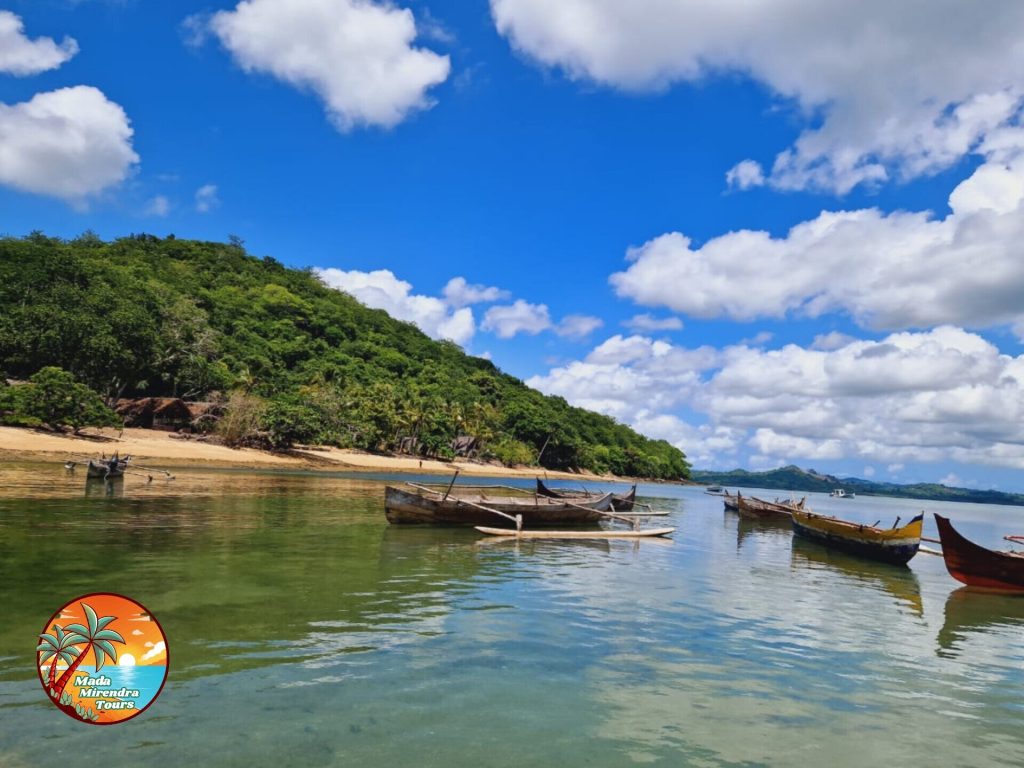
Tuk-tuks handle short journeys in town and taxis cover the run to Ramena in about forty-five minutes. Four-wheel drive hire with a driver is the standard arrangement for the parks and the Red Tsingy, since the final tracks need clearance.
Travellers connecting to Nosy Be can fly, or drive south on the RN6 to Ankify and take the boat across, which allows Ankarana to be worked into the route rather than doubled back on.
Three to four days based here covers the north properly: a day for the Emerald Sea, a day for the Three Bays and Montagne des Français, a day for Amber Mountain, and the Red Tsingy fitted into the drive south toward Ankarana. Trying to do it in two means long days and a lot of vehicle time.
Best Time to Visit Antsiranana
The far north is drier than most of Madagascar and the Varatraza wind shapes the year more than rainfall does.
April and May. After the rains, with green country, settling seas and moderate wind. Comfortable temperatures and few visitors. A strong all-round window.
May to November. Varatraza season. Excellent for kitesurfing and windsurfing, and reliable road access to the parks. Boat crossings to the Emerald Sea get rough and wet in the afternoons.
July to September. Peak visitor season with dry, clear conditions. Amber Mountain is at its most walkable and Ankarana’s caves are open. Book accommodation ahead.
November to March. Warmer with the year’s rain, and calmer seas for the lagoon. Better water clarity for snorkelling. Cyclone exposure applies, and Ankarana’s caves close through the wettest months.
Frequently Asked Questions
How much does a trip to Antsiranana cost?
Emerald Sea boat transfers run roughly 40,000 to 60,000 Ariary per person depending on departure point, with packages including lunch commonly around 25 euros. Four-wheel drive day trips to the Red Tsingy or the Three Bays are priced per vehicle. Park entry at Amber Mountain and Ankarana is 45,000 Ariary per adult per day. Tuk-tuks around town cost very little. Payment is cash in Ariary.
Is Diego Suarez safe?
It is considered safer than Antananarivo, though standard precautions apply. Opportunistic theft happens, so keep valuables secure and take taxis rather than walking after dark. The city is smaller and more relaxed than the capital and most visitors report feeling comfortable.
How many days do I need?
Three to four days based in the city or at Ramena covers the main outings without rushing. Two days means choosing between the Emerald Sea and the parks. Adding Ankarana as an overnight extends it to five or six, which is the version most northern itineraries use.
Should I stay in the city or at Ramena?
The city has more hotels, restaurants and the airport, and suits travellers doing inland day trips. Ramena puts you on the beach next to the boat departures and the Three Bays, and is where the kitesurf lodges sit. Splitting the stay works well if you have four nights or more.
Can I visit Nosy Lonjo?
No. The Sugar Loaf island in the bay is a sacred site and landing is not permitted. You will see it from every viewpoint in the city and pass it on the road to Ramena, which is as close as visitors get.
How do I get to Nosy Be from here?
By air directly, or overland on the RN6 south to Ankify followed by a boat crossing. The overland route takes most of a day but lets you stop at the Red Tsingy and Ankarana on the way, which makes far better use of the time than flying and doubling back.
Is it worth visiting if I am short on time in Madagascar?
The north packs more variety into a small area than anywhere else in the country: rainforest, limestone tsingy, red laterite formations, lagoon and reef all within a couple of hours. For a first trip with limited days, it competes well with the RN7 southern circuit and involves considerably less driving.
Planning Your Visit
Antsiranana is the most efficient base in Madagascar. Almost nowhere else lets you reach rainforest, tsingy and reef from the same hotel, and the driving distances are short by Malagasy standards.
Booking Your Madagascar Trip
The safari companies and tour operators listed on this website put trips like this together for a living and know which camps, guides and routes actually deliver. We are an independent guide to Madagascar; we do not book or sell tours ourselves.
When you are ready, arrange your safari, tour or holiday with one of the recognised operators listed here. Tell them your dates and what matters most, and a real person, not a form, will handle the itinerary, park bookings and logistics for you.