Madagascar Wildlife Safari Guide
A Madagascar safari works nothing like an African one. There are no game drives, no large predators and no big five, and every sighting happens on foot with a guide. What you get instead is roughly nine in ten species found nowhere else: over a hundred lemurs, half the world’s chameleons, and five endemic bird families. The best wildlife trips here are built around parks, not around vehicles.
What a Madagascar Safari Actually Is
Travellers arriving from Kenya, Tanzania or Botswana find the difference immediate. No open vehicle, no radio calls between drivers, no herds on open plains. Madagascar is forest, and forest is walked.
Circuits run from ninety minutes at Anja to full days at Ranomafana and Isalo, on trails that are steep and muddy in the rainforest and hot and exposed in the canyons. Guides are compulsory in every national park, and this is not a formality: the wildlife here is small, camouflaged and genuinely hard to find without trained eyes.
The other structural difference is the night walk. Half of Madagascar’s lemur species are nocturnal, along with most of the reptile and amphibian interest. Since national park gates close in the afternoon, night walking happens in the community and private reserves next door.
No lions, no elephants, nothing that can hurt you. Madagascar’s wildlife is small, endemic and hidden, and the guide matters more than the vehicle.
Lemur Watching Tours and the Headline Species
Lemurs are why most people come. Over a hundred species exist and all live only here, from the indri at over a metre to Madame Berthe’s mouse lemur at around thirty grams.
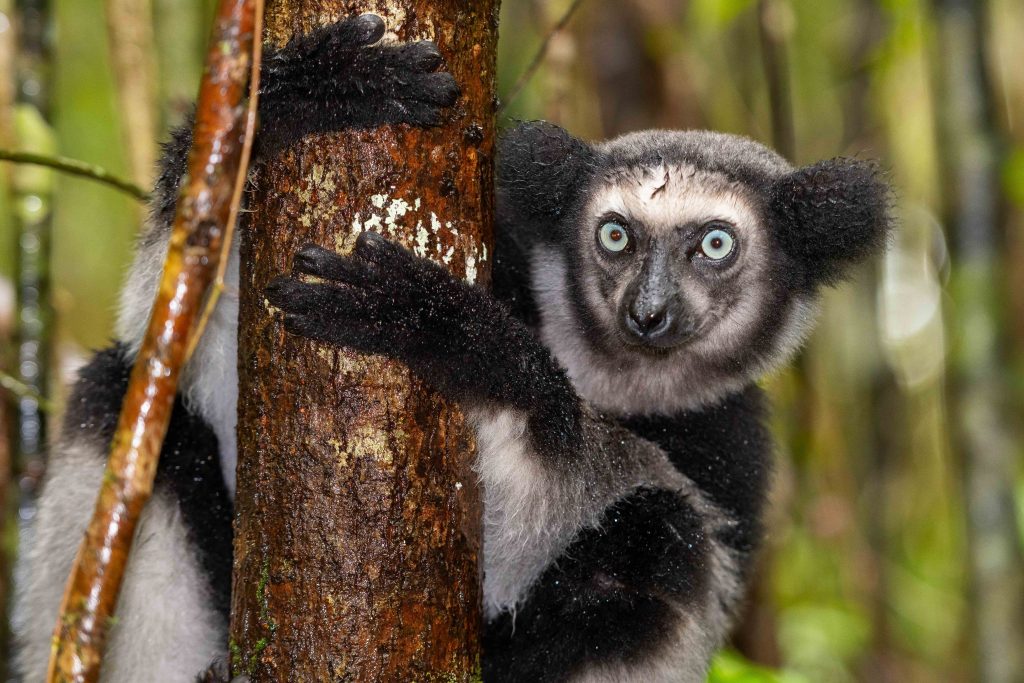
The indri is the animal most associated with Madagascar, black and white and tailless, with a call closer to whale song than anything a primate should produce, carrying two to three kilometres. Andasibe-Mantadia is the only reliable site and sightings there are close to certain.
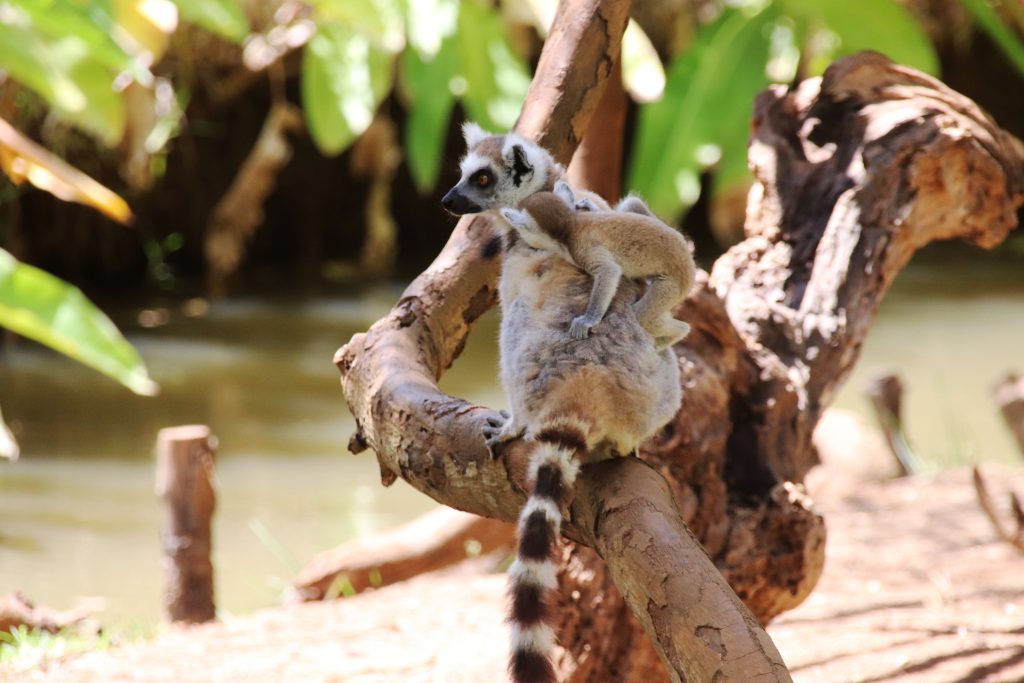
Ring-tailed lemurs are the recognisable ones and the easiest to photograph, being semi-terrestrial. Anja Community Reserve holds the densest population in the country, Berenty the most habituated, Isalo the most scenic setting.
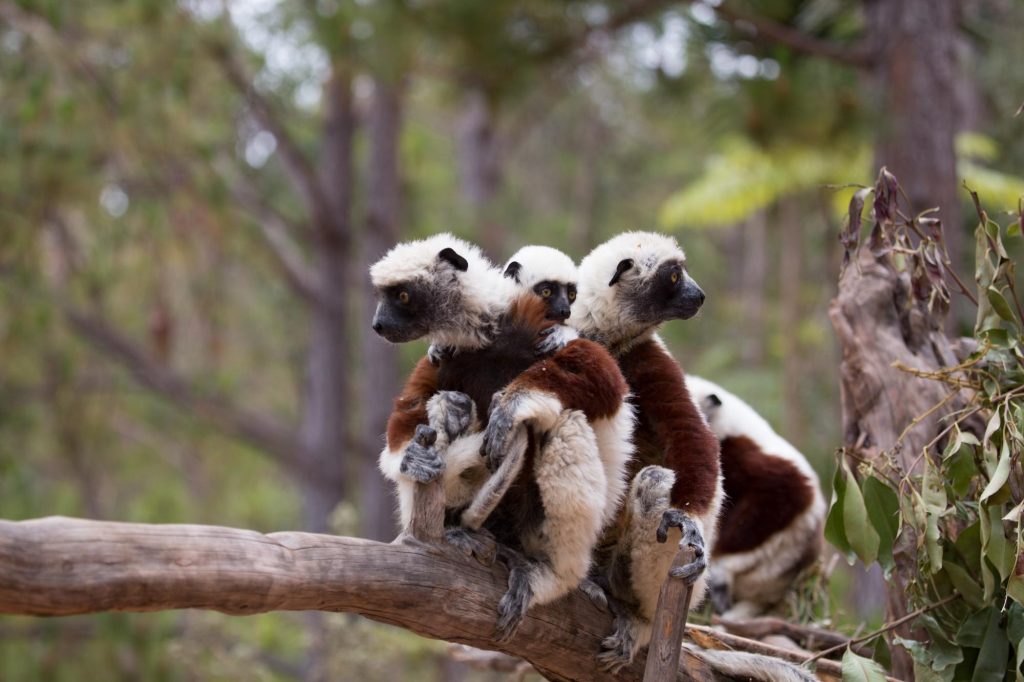
Sifakas cross open ground upright, bounding sideways with arms raised, which is the footage everybody has seen. Verreaux’s sifaka at Berenty and Isalo, Coquerel’s at Ankarafantsika, diademed at Mantadia and Decken’s crossing the limestone at Tsingy de Bemaraha.
Where to Go for the Best Wildlife
Andasibe-Mantadia. Indri close to guaranteed, fourteen lemur species, strong reptile and bird lists. Three to four hours from the capital on sealed road. The best single wildlife stop in Madagascar and the easiest to reach.
Ranomafana. Twelve lemur species including golden bamboo lemur, 118 birds with several ground-rollers, over a hundred frogs. Steep, wet and demanding. The largest species list on the southern circuit.
Ankarafantsika. Eight lemur species realistically seen in one short stay, 129 birds including Van Dam’s vanga, flat easy trails and open forest. The best return on effort anywhere in the country.
Beyond those three, Isalo and Anja deliver ring-tailed lemurs with minimal effort, Kirindy Forest is the one realistic place for fossa, and Berenty gives the closest viewing anywhere. The remote parks at Marojejy and Masoala hold the rarest species and demand days of trekking or boat travel to reach.
Birding Safaris and the Endemic Families
Madagascar holds close to 300 bird species with five entire families found nowhere else: the ground-rollers, vangas, mesites, asities and Malagasy warblers.
The ground-rollers are the flagship, five skulking species located almost entirely by call. Mantadia holds four of them, Ranomafana and Marojejy three or four, and the long-tailed ground-roller lives in the spiny forest around Mikea and Ifaty.
The vangas are a textbook radiation, around twenty species evolved from one colonisation into forms filling niches occupied by shrikes, nuthatches and woodpeckers elsewhere. The helmet vanga at Marojejy and Masoala is the prize, Van Dam’s vanga at Ankarafantsika the accessible rarity.
Booking a bird specialist matters more here than in most destinations. General park guides are excellent on lemurs and reptiles, and ground-rollers are a different discipline entirely.
Reptiles, Chameleons and Night Walks
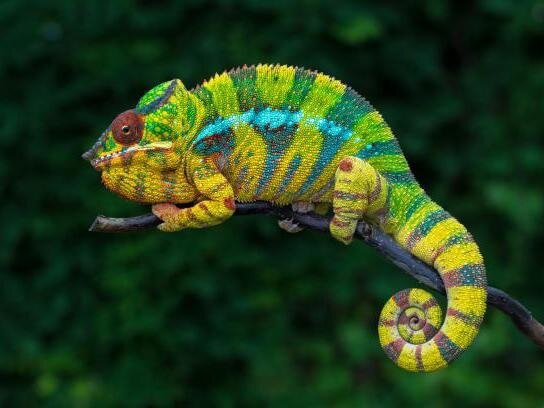
Roughly half the world’s chameleon species live in Madagascar, from Parson’s chameleon at the length of a forearm to Brookesia leaf chameleons small enough to sit on a fingernail.

Night walks are where most of the reptile interest appears. Sleeping chameleons pale and sit exposed on twig ends where a torch picks them out, often at eye level. Leaf-tailed geckos, tree boas and frogs fill out the list.
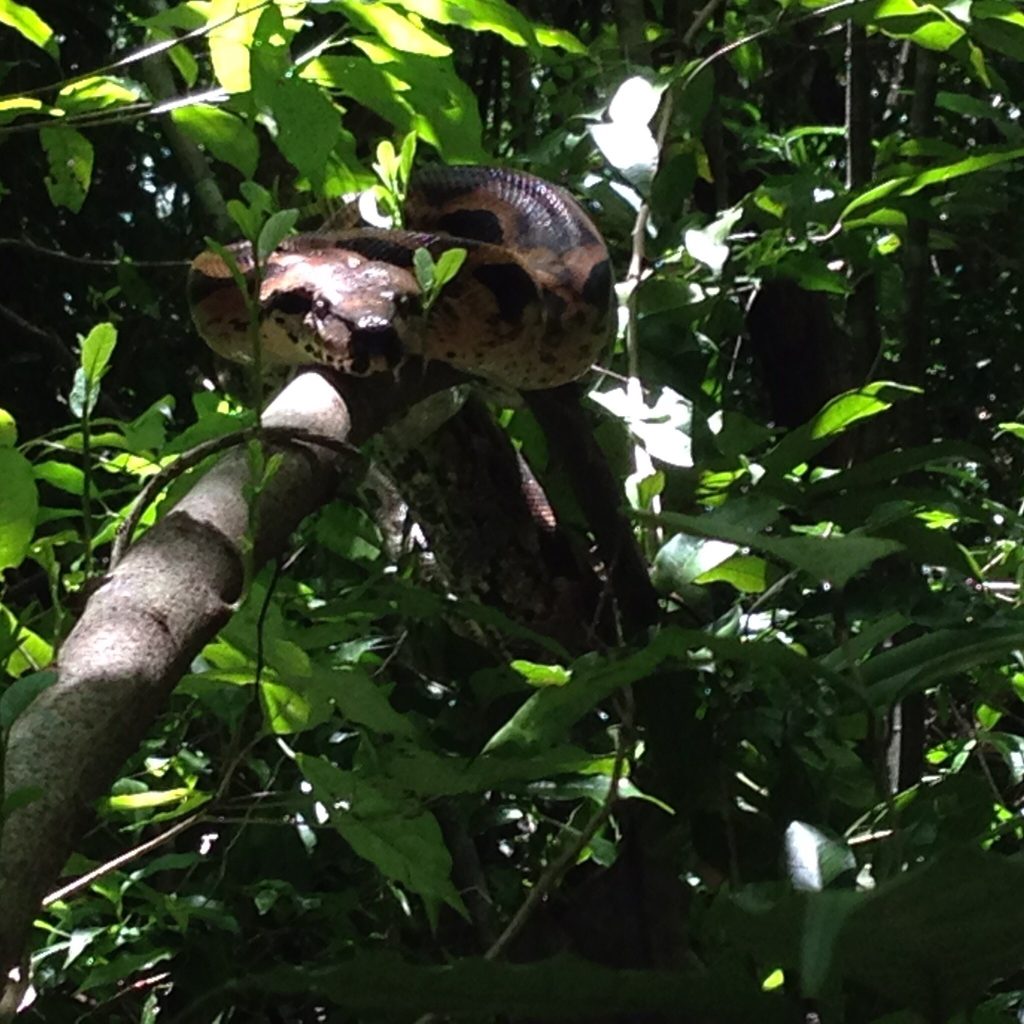
None of Madagascar’s roughly eighty snake species is dangerous to people, since the front-fanged families that dominate mainland Africa never reached the island. Combined with the absence of large predators, that makes walking here feel different from anywhere comparable.
Reptiles are strongly seasonal, active from November through March and sluggish or hidden in the cool dry season. Travellers whose priority is chameleons and frogs should weigh that against the better road conditions of the dry months.
Start before dawn, every day. Rainforest wildlife is active in the first two hours of light and quiet by mid-morning, and on the exposed circuits at Isalo the plateau becomes punishing by eleven. A six o’clock start rather than a nine o’clock one is the single cheapest improvement available to any Madagascar wildlife trip.
Marine Wildlife and Whale Watching
The wildlife does not stop at the shore. Humpback whales migrate to Madagascar between roughly July and September to breed and calve, with the channel off Île Sainte-Marie the most accessible viewing in the Indian Ocean and sightings close to certain in season.
Green and hawksbill turtles nest at Nosy Iranja and Baie de Baly and are seen year-round while snorkelling at Nosy Tanikely and the Masoala marine reserves. Whale sharks appear off Nosy Be in the later months of the year.
Masoala is the one place offering rainforest and reef together, where you walk out of the forest into water holding around a hundred coral species. Kirindy Mite in the west puts dry forest, mangrove and reef within a single day’s walking.
Choosing a Guide and Getting the Most from Sightings
The guide is the variable that most affects what you see, and most visitors take whoever is next in the rotation at the gate.
Asking for a specialist changes the outcome considerably. A bird guide who works ground-rollers by call, a tracker at Marojejy who knows the silky sifaka groups, or a Ranomafana guide following the bamboo lemur stands will find things a general guide will not.
Tell your guide what you most want to see on the first morning rather than the last. Guides work to what they understand a group wants, and a party that mentions chameleons or ground-rollers early gets a different walk.
Tipping is customary and not included in posted fees. At parks where a specialist tracker improves your odds on a rare species, the tip matters as much as the fee.
Best Time for a Madagascar Safari
Different species peak at different times, so the useful question is which animals you most want rather than which month is best.
April to June. Rains ending, forest green, few visitors and good value. Reptiles still active. Trails firming up in the rainforest parks. A strong all-round shoulder window.

July to September. Peak season, coolest and driest, best road access. Humpback whales off Sainte-Marie and Nosy Be. Reptiles sluggish and rainforest quieter for birds. Book lodges months ahead.
September to November. The strongest overall for wildlife. Infant lemurs appear, reptiles become active again, birds are breeding and calling, orchids flower. Weather settled and crowds below the mid-year peak.
December to March. Reptiles and amphibians at their most active and night walks excellent. Rainforest at its richest. Against that, several parks close, roads flood and cyclones disrupt eastern travel.
Frequently Asked Questions
Is a Madagascar safari like an African one?
No. There are no game drives, no large predators and no big five. Every sighting happens on foot with a compulsory guide, on trails that are often steep and muddy. What Madagascar offers instead is roughly nine in ten species found nowhere else. Travellers expecting Kenya or Botswana are disappointed; those who come for the endemics are not.
What does a wildlife trip cost?
Park entry is 45,000 Ariary per adult per day at most parks with children under twelve at 25,000, plus compulsory guide fees charged per group by circuit, typically 15,000 to 40,000 Ariary. Tsingy de Bemaraha is 55,000 plus a helmet fee. Everything is cash in Ariary at the gate. The dominant costs are vehicle hire and domestic flights.
Where should I go for the best wildlife?
Andasibe-Mantadia for indri and the easiest access, Ranomafana for the largest species list on the southern circuit, Ankarafantsika for eight lemur species in one short stay with flat trails. Those three cover most of what a first visit should see. Kirindy for fossa and Marojejy or Masoala for the rarest lemurs need considerably more commitment.
Will I definitely see lemurs?
Yes, at the right parks. Indri at Andasibe, ring-tailed lemurs at Anja and Berenty, and Coquerel’s sifaka at Ankarafantsika are all close to certain. Rarer species including golden bamboo lemur, silky sifaka and aye-aye are a different matter and any operator promising them is overselling.
When is the best time to go?
September to November for wildlife overall, with infant lemurs, active reptiles and breeding birds. July to September if humpback whales are the priority. November to March for chameleons, frogs and the most productive night walks, at the cost of rain, mud and some park closures.
Do I need to be fit?
Moderately, for the standard circuits. Ankarafantsika, Anja and the dry forest parks are flat and easy. Ranomafana, Marojejy and Masoala are steep, muddy and demanding. Isalo involves exposed walking in heat. The multi-day treks at Andringitra and Marojejy need real hill fitness.
Are there dangerous animals?
None. Madagascar has no large predators and none of its roughly eighty snake species threatens people. The fossa is the largest carnivore and avoids humans entirely. Nile crocodiles occur in some rivers and lakes, which is why guides direct where swimming is safe. Terrain and heat are the actual hazards.
How many parks should I visit?
Two or three properly rather than five in passing. Ten days covers one circuit with two or three parks, allowing two nights at each. Travellers who plan a single night at every stop spend most of the trip driving and see each forest for one rushed morning.
Planning Your Trip
A Madagascar wildlife trip comes down to two decisions: which parks and which guides. Three parks visited properly with specialists who know the ground will show you more than six visited in passing with whoever was next in the queue.
Booking Your Madagascar Trip
The safari companies and tour operators listed on this website put trips like this together for a living and know which camps, guides and routes actually deliver. We are an independent guide to Madagascar; we do not book or sell tours ourselves.
When you are ready, arrange your safari, tour or holiday with one of the recognised operators listed here. Tell them your dates and what matters most, and a real person, not a form, will handle the itinerary, park bookings and logistics for you.