Madagascar Honeymoon Guide
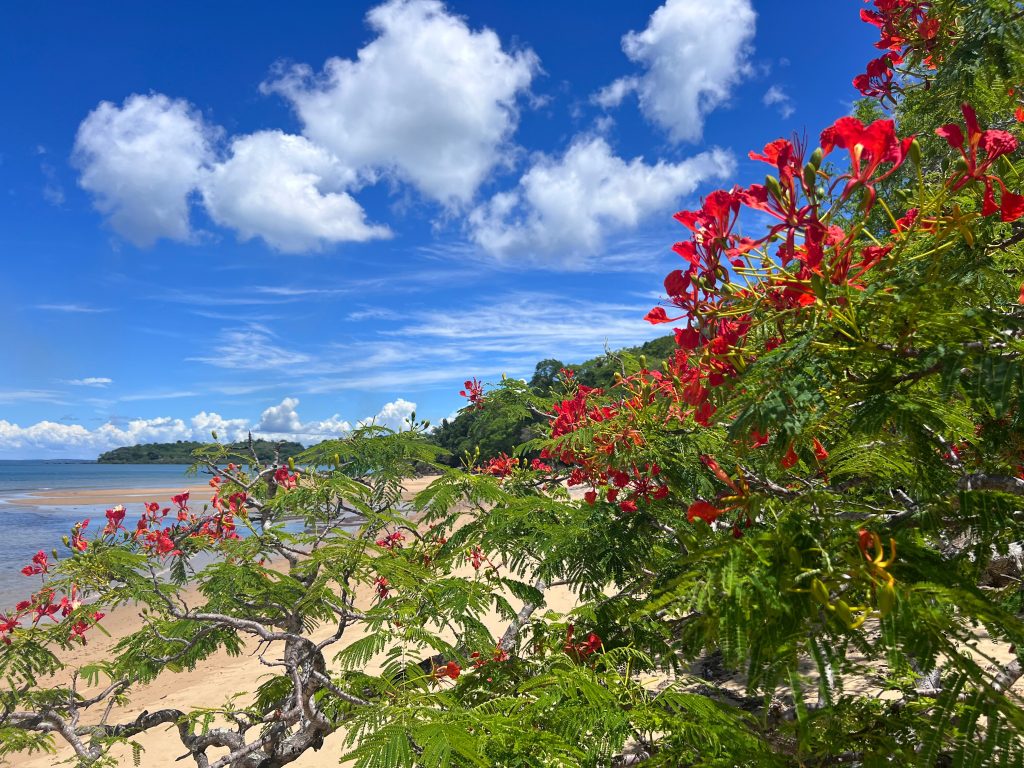
Madagascar suits couples who want somewhere genuinely unusual rather than conventionally luxurious. The strongest honeymoon combination pairs a few days of wildlife with a beach stay on Nosy Be or Île Sainte-Marie, and the country’s best moments cost very little: sunset at the Avenue of the Baobabs, whales in the channel, an empty sandbar at Nosy Iranja. What it does not offer is the polish of an Indian Ocean resort destination.
What Madagascar Offers Couples
The appeal is distinctiveness. Very few honeymoon destinations put lemurs, baobabs and coral reefs in the same fortnight, and fewer still leave you alone on a beach in high season.
Against that, set expectations honestly. Madagascar has a small number of genuinely good lodges and no equivalent to the Maldives or Mauritius. Roads are slow, domestic flights reschedule, and comfort varies enormously outside the main circuits.
Couples who prize novelty and are relaxed about logistics do very well here. Those wanting seamless luxury and short transfers should look at Mauritius or the Seychelles, both of which connect easily to Madagascar if you want to combine the two.
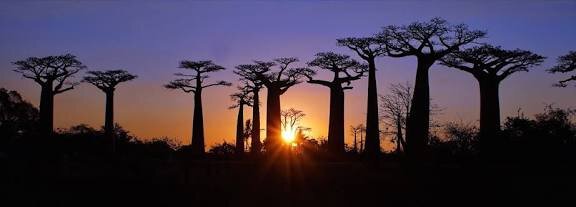
Sunset at the Avenue of the Baobabs costs nothing and is free to enter. Madagascar’s best moments are rarely the expensive ones.
The Classic Honeymoon Structure
Almost every good Madagascar honeymoon follows the same shape: a short wildlife section followed by a longer beach stay, linked by one domestic flight.
Andasibe-Mantadia for two or three nights gives indri, night walks and rainforest three to four hours from the international airport on sealed road. It requires no flight and no rough driving, which makes it the efficient wildlife choice.
Then fly to the coast. Nosy Be for island excursions and reliable weather, or Île Sainte-Marie for quiet beaches and whales between July and September.
Ten days covers this comfortably. Fourteen allows three or four nights of wildlife and a full week on the coast, which is the version most couples prefer.
Nosy Be and the Northern Islands
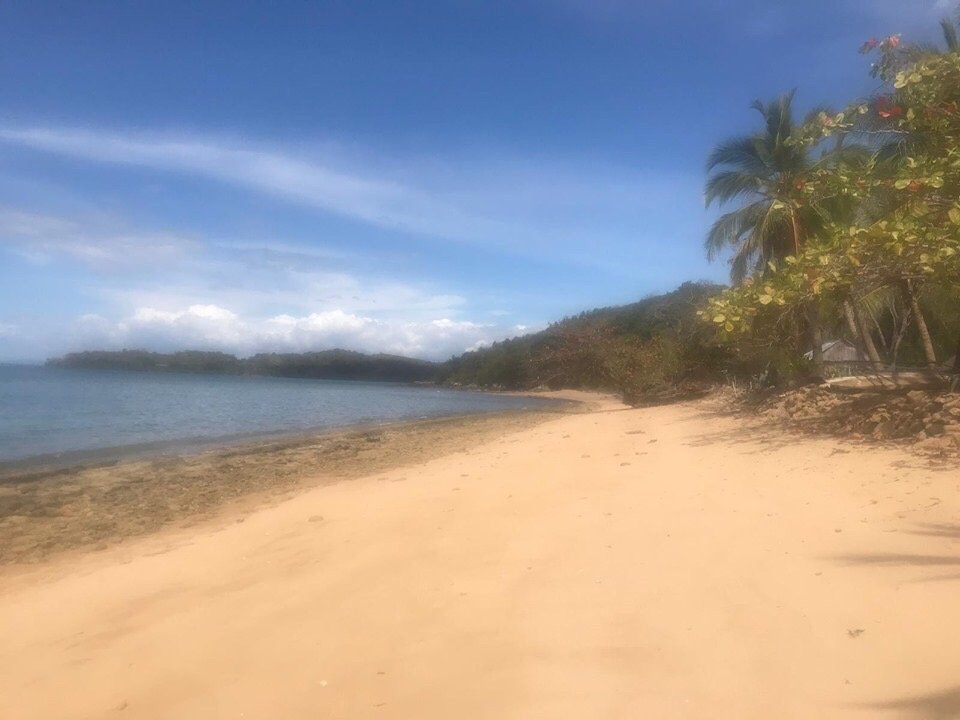
Nosy Be has the most developed accommodation in Madagascar, concentrated at Andilana in the north where the best beach sits, and around Ambatoloaka on the west coast where the restaurants and nightlife are.
The island itself is pleasant and the archipelago is the real attraction. Day trips run to Nosy Tanikely for snorkelling with turtles, Nosy Komba for the village and craft market, and Nosy Iranja for the sandbar between two islets that appears at low tide and vanishes at high.
Nosy Iranja is the one couples remember. Ninety minutes by boat, white sand joining the islets, and an overnight bivouac option that gives you the island after the day boats leave, with turtles nesting on the beaches in season.
Nosy Sakatia is the quiet alternative, walked with a local guide past vanilla and mango trees and known for swimming with sea turtles.
Nosy Be. Most developed accommodation, widest choice of excursions, reliable weather year-round, direct international flights. The most expensive part of Madagascar. Busier and less private.
Île Sainte-Marie. Quieter, cheaper, small hotels rather than resorts, whales July to September. Wetter and cyclone-exposed December to March. Île aux Nattes offshore has the finest beaches and no cars.
Anjajavy and the remote lodges. A small number of genuinely upmarket properties in remote positions, reached by charter flight. Expensive, private, and the closest Madagascar comes to conventional luxury.
Île Sainte-Marie and the Whale Window
Île Sainte-Marie is the quieter choice and considerably better value than Nosy Be. Small hotels rather than resorts, spread along the west coast, with no real nightlife and short distances everywhere.
Between July and September humpback whales fill the channel between the island and the mainland to breed and calve. Sightings are close to certain, whales are often visible from hotel terraces, and some operators run trips by sea kayak.
That window is worth planning around if it suits your dates. It is also when the island fills and prices rise, so booking months ahead is necessary rather than prudent.
Île aux Nattes, a ten-minute pirogue crossing from the southern tip, holds what many rate the finest beaches in Madagascar. No roads, no cars, no ATMs, and beachfront guesthouses at a fraction of Nosy Be prices.
The Avenue of the Baobabs and the Western Option
Couples who want the defining Madagascar image build in the west. The Avenue of the Baobabs near Morondava is free to enter and takes an hour, and the whole thing depends on arriving at sunrise or sunset.
Adding an overnight at Kirindy Forest gives the best chance in Madagascar of seeing a fossa, plus night walks for mouse lemurs and the giant jumping rat.
The full western circuit to Tsingy de Bemaraha is a different proposition, six to ten hours of rough driving each way with two river ferries. It is spectacular and it is not a honeymoon activity for most couples. The via ferrata routes involve harnesses, ladders and suspension bridges.
Morondava is reached by air in about an hour from the capital, which makes the Avenue and Kirindy accessible as a three or four day addition without the Tsingy commitment.
Book domestic flights before anything else. Routes to Nosy Be, Sainte-Marie and Morondava run at limited frequency and sell out in peak season, and capacity constrains a Madagascar itinerary more than accommodation does. Leave a buffer day before your international departure, since domestic flights reschedule and losing a connection at the end of a honeymoon is an expensive way to learn this.
When to Go
September to November is the strongest overall window for a Madagascar honeymoon, and the reasons compound.
Weather is settled and warm without heavy rain. Sea conditions are calm with good visibility for snorkelling. Infant lemurs appear from September, reptiles are active, and visitor numbers sit below the July to August peak so beaches are quieter.
July to September brings whales to Sainte-Marie and Nosy Be, which for many couples outweighs everything else. The trade-off is cooler weather, rougher boat crossings in the far north and higher prices.
April to June is the value window, green after the rains with few visitors. December to March brings cyclone risk on the east and is the season to avoid for a trip you cannot reschedule.
Romantic Additions Beyond the Beach
A handful of experiences suit couples particularly and cost almost nothing to build in.
Sunset at the Fenêtre de l’Isalo, the natural sandstone arch, runs most evenings during an Isalo stay and needs only the drive out. The Piscine Naturelle circuit finishes at a spring-fed pool where swimming is allowed, which is the reward at the end of a hot walk.

The Emerald Sea from Ramena puts you on a small sailing boat crossing to an uninhabited islet where lunch is cooked on the beach. Outside peak season you will often have the sand entirely to yourselves.
Night walks are quietly among the better shared experiences here, since the forest after dark with a torch and a guide who knows where the chameleons sleep is unlike anything most couples have done.
At Sainte-Marie, a pirogue crossing to Île aux Nattes for a day on beaches nobody else has reached takes ten minutes and costs a few thousand Ariary.
Practical Considerations for Couples
Accommodation standards vary more than the price suggests. Remote lodges charge upmarket rates for modest comfort because everything they use arrived by boat or over a bad road, and couples booking on price alone are sometimes surprised.
Several remote properties include compulsory half or full board because there is nowhere else to eat, which is worth factoring into a comparison. Many lodges run generators for limited hours rather than mains power, and hot water follows the same schedule.
Madagascar has no wedding or honeymoon package infrastructure comparable to established destinations, though some lodges will arrange dinners and small celebrations if asked in advance. Mentioning the occasion when booking usually produces something.
Cash in Ariary is needed for park fees, guides and most transactions, since cards work at larger hotels and almost nowhere else.
Frequently Asked Questions
Is Madagascar a good honeymoon destination?
For couples who want somewhere genuinely unusual, yes. Lemurs, baobabs and reefs in one trip, with beaches that stay quiet in high season. For couples wanting polished luxury and short transfers, no. Madagascar has few genuinely upmarket lodges and the logistics are slower than any comparable Indian Ocean destination.
How long should a honeymoon here be?
Ten days minimum, fourteen preferably. That allows three or four nights of wildlife at Andasibe and a full week on the coast, linked by one domestic flight. Shorter than ten days means either skipping the wildlife or rushing it, and Madagascar’s travel times punish tight schedules.
Nosy Be or Île Sainte-Marie?
Nosy Be for the widest choice of excursions, the most developed accommodation and reliable weather year-round, at the highest prices in Madagascar. Sainte-Marie for quiet, better value, small hotels and whales between July and September. Île aux Nattes off Sainte-Marie has the finest beaches and no cars at all.
What does a Madagascar honeymoon cost?
Accommodation runs from 20 to 40 US dollars for guesthouses up to 120 for comfortable lodges, with a small number of upmarket properties above that. Nosy Be is the most expensive part of the country. The dominant costs are international and domestic flights. Park fees and guides are modest, at 45,000 Ariary per adult per day plus guide charges.
When is the best time to go?
September to November for settled weather, calm seas, active wildlife and quieter beaches. July to September if whales at Sainte-Marie matter more, accepting cooler weather and higher prices. April to June is the value window. Avoid December to March, when cyclones affect the east and travel becomes unreliable.
Can we combine wildlife and beach easily?
Yes, and it is the standard structure. Andasibe needs no flight and sits three to four hours from the international airport, then one domestic flight reaches Nosy Be, Sainte-Marie or Morondava. Attempting more than one wildlife region alongside a beach stay is where couples overreach.
Are there luxury lodges?
A small number, concentrated at Nosy Be, Isalo, Masoala, Anjajavy and near Fort Dauphin, several reached by charter flight. They are good rather than opulent, and Madagascar is not a luxury safari destination in the way Botswana or Kenya are. Remote properties charge upmarket rates for modest comfort because of supply logistics.
Should we tell hotels it is our honeymoon?
Yes, when booking rather than on arrival. Madagascar has no established honeymoon package infrastructure, but most lodges will arrange a dinner or small celebration if given notice. Asking in advance produces considerably more than mentioning it at check-in.
Planning Your Trip
A Madagascar honeymoon works best when it is not overplanned. Two or three nights of wildlife, a flight to the coast, and then a week of doing very little on a beach with almost nobody else on it. The country rewards couples who leave room rather than filling every day.
Booking Your Madagascar Trip
The safari companies and tour operators listed on this website put trips like this together for a living and know which camps, guides and routes actually deliver. We are an independent guide to Madagascar; we do not book or sell tours ourselves.
When you are ready, arrange your safari, tour or holiday with one of the recognised operators listed here. Tell them your dates and what matters most, and a real person, not a form, will handle the itinerary, park bookings and logistics for you.