Island Hopping in Madagascar
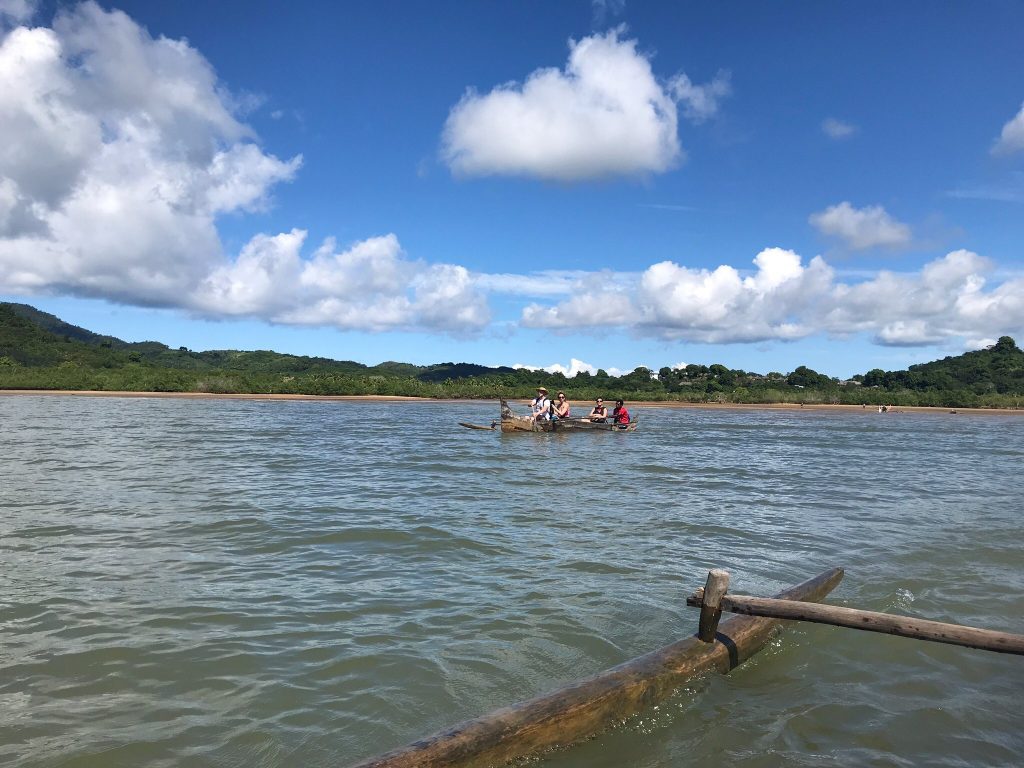
The islands off Madagascar are reached almost entirely by boat, and the strongest cluster sits around Nosy Be in the northwest: Tanikely for snorkelling, Komba for lemurs and crafts, Iranja for the sandbar, Sakatia for quiet. The eastern option pairs Île Sainte-Marie with Île aux Nattes and whales in season. Most excursions are day trips, and the ones worth staying overnight for are the ones most visitors rush.
The Nosy Be Archipelago
Nosy Be is the hub for island hopping in Madagascar, with its own airport including some direct international services and a scatter of islands within easy boat reach.
The standard excursion combines Nosy Tanikely and Nosy Komba in a single day, and it is what nearly every visitor does. Tanikely is a marine reserve about thirty minutes out, with coral gardens a few metres off the beach and reliable green turtles. Komba has a village, a craft market and habituated black lemurs.
Nosy Iranja is the longer trip at ninety minutes, two islets joined by a sandbar that appears at low tide and vanishes at high, with turtles nesting in season. Nosy Sakatia is the quiet one, walked with a local guide past vanilla and mango trees and known for swimming with turtles.
Further out sit Nosy Mitsio and Nosy Lava, both requiring longer boat trips and seeing very few visitors. Nosy Hara, north of the Emerald Sea, is a marine park of limestone islands better reached from Diego Suarez than from Nosy Be.
Thirty minutes to a marine reserve with turtles, ninety to a sandbar between two islets. The Nosy Be archipelago is the easiest island hopping in Madagascar and the busiest.
Nosy Tanikely and the Marine Reserve
Nosy Tanikely is the best snorkelling in Madagascar for anyone without a certificate. A small island with a lighthouse, protected as a marine reserve long enough for the fish life to recover properly.
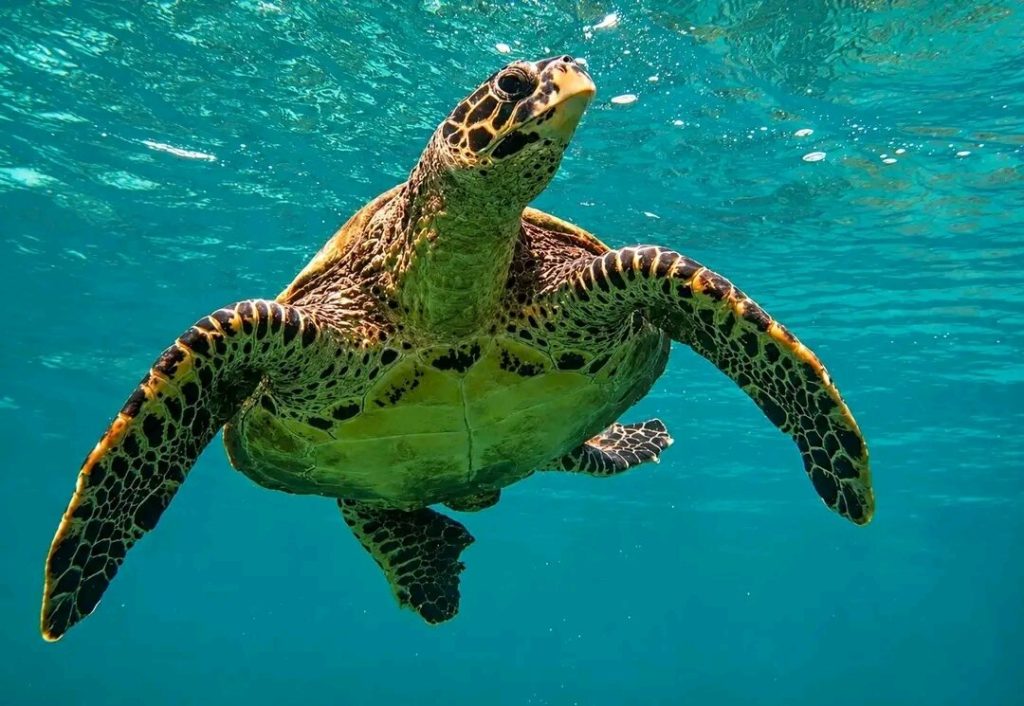
You walk in from the beach. Coral gardens sit a few metres offshore, green turtles are routine rather than lucky, and the density of reef fish reflects the protection. Buoys mark the reserve boundary.
The island has walking trails up to the lighthouse and a viewpoint, and lemurs and flying foxes live in the trees. Facilities are minimal, so bring what you need.
Equipment is usually included on organised trips, though bringing your own mask improves things considerably given inconsistent rental quality.
Nosy Komba and Nosy Sakatia
Nosy Komba is a rainforest-covered volcanic island with no roads and no cars, where everything moves on foot or by boat. The community reserve above Ampangorina village holds habituated black lemurs, and the craft market along the path is widely rated the best in the Nosy Be area for woodcarving.
The lemur feeding is contested. Guides call the animals down with bananas and they will climb on visitors. Some travellers rate the reserve well-managed with animals in good condition, others find the routine uncomfortable. You can decline having lemurs placed on you, and Lokobe on Nosy Be is the alternative where feeding and touching are prohibited.
Beyond the village, trails climb toward a 622-metre peak with views across the archipelago, and these are quiet because most visitors never leave Ampangorina.
Nosy Sakatia is the calm counterpart, a short hop from Nosy Be’s west coast, walked with local guides past plantations and known for swimming with green turtles in shallow water.
Day trips from Nosy Be. Tanikely and Komba combined, six hours or so. Iranja as a full day at ninety minutes each way. Sakatia as a half day. What the overwhelming majority of visitors do.
Overnight stays. Komba for the summit hike and quiet beaches, Iranja for the bivouac and nesting turtles, Sakatia for the pace. All three are different islands once the day boats leave.
Eastern islands. Île Sainte-Marie with Île aux Nattes offshore, and whales between July and September. Reached by air or a rough ferry rather than day excursions from a hub.
Nosy Iranja and the Turtle Islands
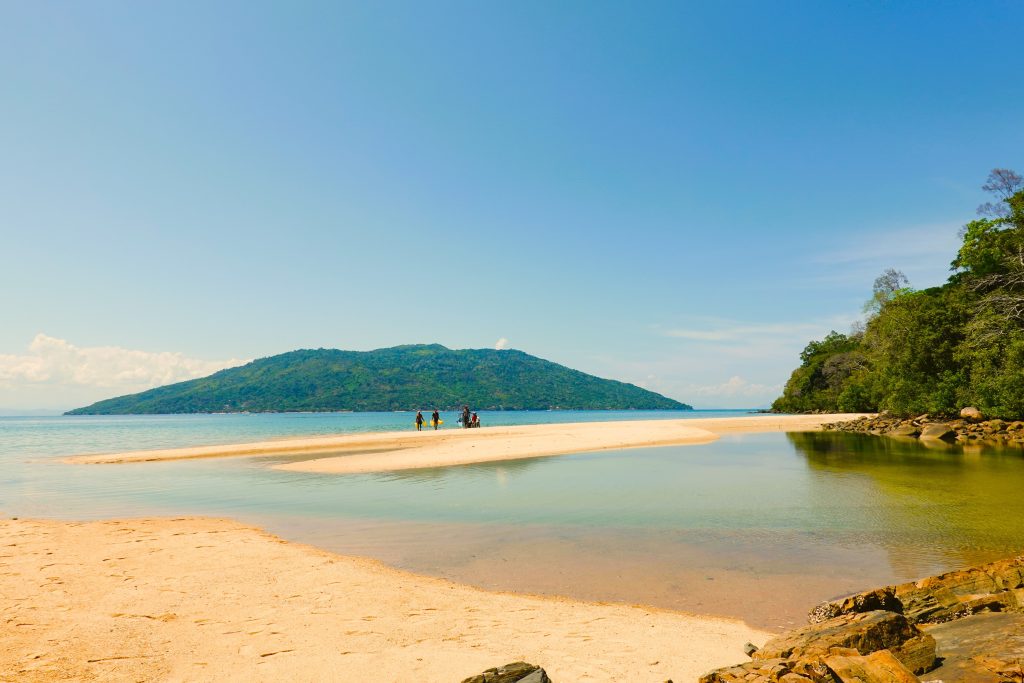
Nosy Iranja is the excursion most people photograph. Two islets, the larger holding a fishing village and a hilltop lighthouse, the smaller privately held and thickly vegetated, joined by a sandbar reported at between one and two kilometres.
Timing matters. The sand is exposed at low tide and covered at high, so walking between the islets is only possible for part of the day. Operators plan around the tide, but confirm this when booking if the sandbar is your reason for going.
Green and hawksbill turtles nest on the beaches, though seeing a nesting female or hatchlings needs an overnight stay since both happen after dark or at first light. Bivouac packages exist for exactly this.
The crossing is open water and can be rough, and trips are cancelled outright in the wet season when swell picks up. Book early in your stay rather than on your last day.
Île Sainte-Marie and Île aux Nattes
The eastern islands work differently, since there is no hub with a scatter of day-trip destinations around it.
Île Sainte-Marie is reached by air from Antananarivo or by ferry from Soanierana Ivongo, a crossing of around two hours that is frequently rough and sometimes cancelled. The island is narrow, 50 to 60 km long, with a single road along the west coast.
Between July and September humpback whales fill the channel between the island and the mainland to breed and calve, with sightings close to certain and animals often visible from shore. That is the reason most people time a visit.
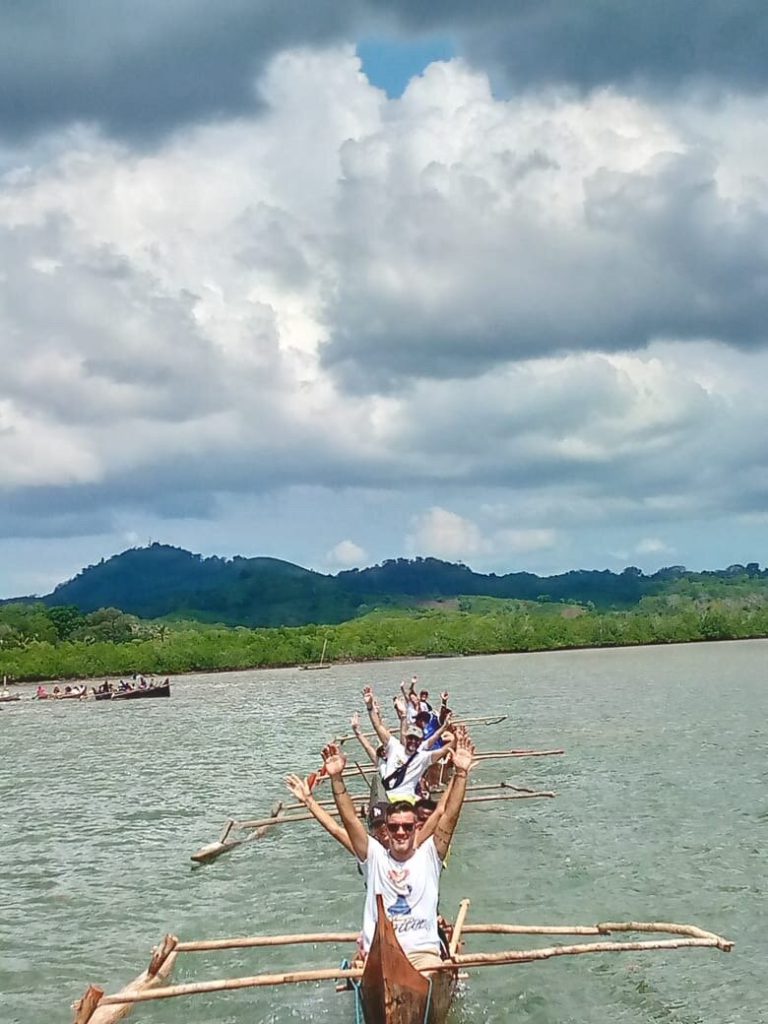
Île aux Nattes off the southern tip is a ten-minute pirogue crossing and holds what many rate the finest beaches in Madagascar. No roads, no cars, no ATMs, and guesthouses directly on the sand at a fraction of Nosy Be prices.
The pirate cemetery above the Baie des Forbans and the wreck diving around the island give Sainte-Marie a character the northwestern islands lack.
Boat crossings are the constraint on all island hopping here. Trips to Nosy Iranja, the Sainte-Marie ferry and the Masoala transfers all cancel in rough conditions, particularly outside the calm months. Book excursions early in a stay rather than at the end, and build a buffer day before any international departure. A cancelled crossing at the wrong moment costs a flight rather than a morning.
Costs and Practicalities
Boat excursions are priced per trip rather than per person on smaller craft, and per person through operators. Agreeing the price before departing rather than on return prevents nearly all friction.
Organised day trips from Nosy Be covering Tanikely and Komba commonly run around 300,000 Ariary per person, typically including the boat, guiding, a grilled fish lunch and snorkelling gear. Island entry fees apply at the reserves on top.
Carry cash in Ariary. Nosy Komba and Île aux Nattes have no banks or ATMs, and cards are not accepted at guesthouses or craft stalls. Bring a dry bag for anything electronic, since the crossings get wet.

Reef-safe sunscreen matters at Tanikely, Iranja and the Masoala reserves, where coral sits close to shore. Taking shells, coral or sand from marine parks is prohibited and exporting them illegal.
Best Time for Island Hopping
Sea conditions rather than rainfall determine whether trips run, and the regions differ.
September to November. The strongest window. Calm seas, warm water, best visibility and reliable crossings. Whale sharks appear off Nosy Be. Quieter than the mid-year peak.
April to June. Seas settling after the rains with good visibility and few visitors. Comfortable temperatures and lower prices. A reliable shoulder period across both archipelagos.
July to September. Whales in the Sainte-Marie channel and along the Nosy Be coast. Trade winds in the far north make crossings rough and stir the shallows. Busiest and most expensive.
December to March. Rough seas and cyclone exposure, with crossings to Iranja and Sainte-Marie frequently cancelled. The far north around the Emerald Sea and Nosy Hara has its calmest water in this window.
Frequently Asked Questions
Which islands should I visit?
Nosy Tanikely for snorkelling, which is the strongest single outing and needs no certification. Nosy Komba for the village, crafts and hiking. Nosy Iranja for the sandbar and turtles, ideally overnight. Île aux Nattes off Sainte-Marie for the best beaches in Madagascar. Most visitors combine Tanikely and Komba in one day.
What does island hopping cost?
Organised day trips from Nosy Be covering Tanikely and Komba run around 300,000 Ariary per person including boat, guide, lunch and snorkelling gear. Reserve entry fees apply on top. Nosy Iranja is a longer and more expensive trip. Local boat owners at the beaches will take passengers for considerably less without the extras.
Are the crossings rough?
They can be. The trip to Nosy Iranja is open water and takes forty-five minutes to an hour and a half depending on the boat. The Sainte-Marie ferry from Soanierana Ivongo is frequently rough and sometimes cancelled. Take seasickness precautions seriously and book excursions early in a stay so you can reschedule.
Should I stay overnight on the islands?
On Nosy Komba and Île aux Nattes, yes, since both are different places once the day boats leave. Nosy Iranja’s bivouac is the only way to see nesting turtles or hatchlings. Day-tripping Tanikely is fine since there is no accommodation and the appeal is the reef.
Is the lemur feeding at Nosy Komba acceptable?
It is contested. Guides call habituated black lemurs down with bananas and they will climb on visitors. Some rate the reserve well-run with animals in visibly good condition, others find it uncomfortable. You can decline the interaction. Lokobe on Nosy Be prohibits feeding and touching entirely and holds the same species.
Do I need cash?
Yes. Nosy Komba and Île aux Nattes have no banks or ATMs and cards are not accepted at guesthouses or craft stalls. Draw Ariary before leaving Nosy Be or Sainte-Marie. Bring small notes for craft purchases and boat tips.
When is the best time?
September to November for calm seas, warm water and the best visibility across both archipelagos. April to June is the value shoulder. July to September brings whales but rougher crossings in the north. December to March sees frequent cancellations on the eastern crossings.
Can I island hop from Sainte-Marie?
Only to Île aux Nattes and the small uninhabited Îlots aux Sables, since there is no archipelago comparable to the northwest. Sainte-Marie works as a single-island destination with whale watching and diving rather than as a hopping base. Nosy Be is where the multi-island excursions are.
Planning Your Trip
Island hopping in Madagascar is straightforward around Nosy Be and weather-dependent everywhere. The decisions that matter are booking excursions early in a stay so a cancelled crossing can be rescheduled, and staying overnight on the islands worth more than an afternoon.
Booking Your Madagascar Trip
The safari companies and tour operators listed on this website put trips like this together for a living and know which camps, guides and routes actually deliver. We are an independent guide to Madagascar; we do not book or sell tours ourselves.
When you are ready, arrange your safari, tour or holiday with one of the recognised operators listed here. Tell them your dates and what matters most, and a real person, not a form, will handle the itinerary, park bookings and logistics for you.