Andohahela National Park
Andohahela National Park is the only protected area in Madagascar holding rainforest, spiny desert and the transition between them, split across three separate parcels within an hour or two of Fort Dauphin. Visitors walk guided circuits in each, choosing habitat rather than trail difficulty. The park covers roughly 760 square kilometres of the Anosy mountains in the far southeast and belongs to the UNESCO-listed Rainforests of the Atsinanana.
Rainforest Trekking Tours in Parcel One at Isaka-Ivondro
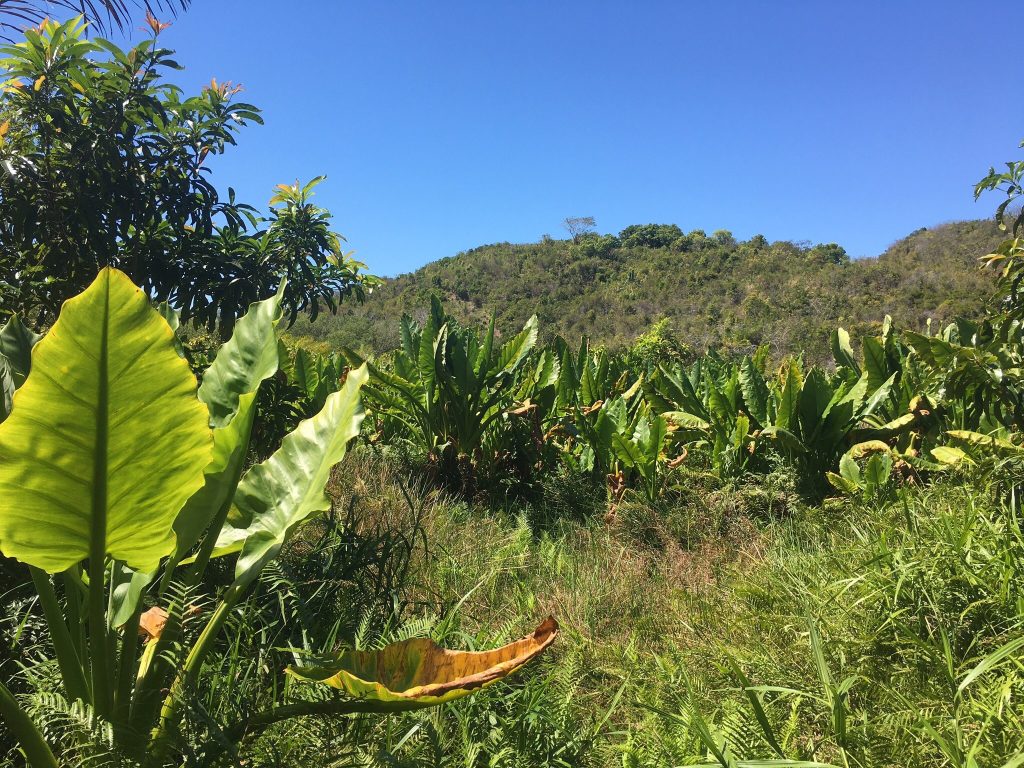
Rainforest trekking tours run in Parcel One, the eastern and largest section, reached from the village of Isaka-Ivondro. This is the last humid rainforest anywhere in southern Madagascar, surviving because the Anosy range catches trade winds off the Indian Ocean and wrings 1,500 to 2,000 mm of rain out of them each year.
Altitudes here climb from around 300 metres to nearly 2,000. Trails are steep, rocky and muddy in the wet, and the walking is harder than the distances suggest. The Manantantely waterfalls are the usual objective on a day circuit.
What makes this forest unusual is its position. It sits south of the Tropic of Capricorn, which puts it among the very few rainforests on earth outside the tropics proper, isolated from the eastern rainforest belt by hundreds of kilometres of dry country.
Spiny Forest Walking Tours in Parcel Two at Ihazofotsy
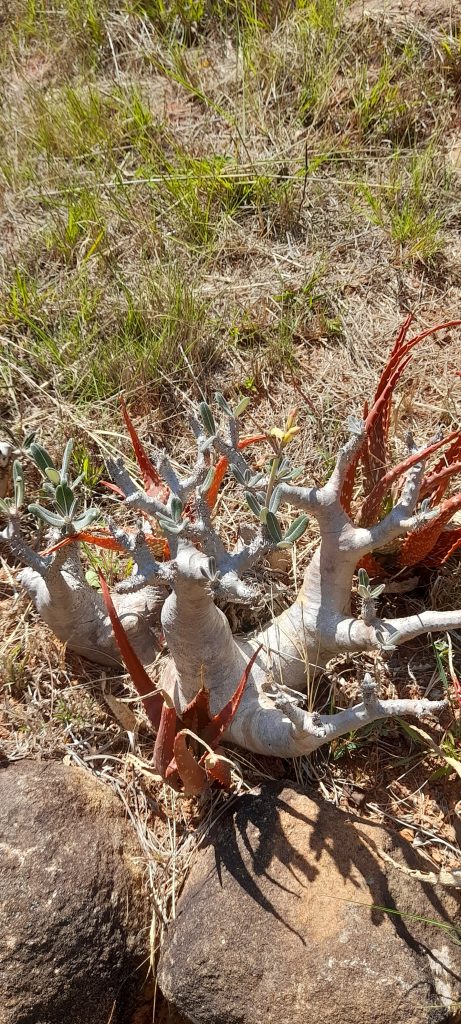
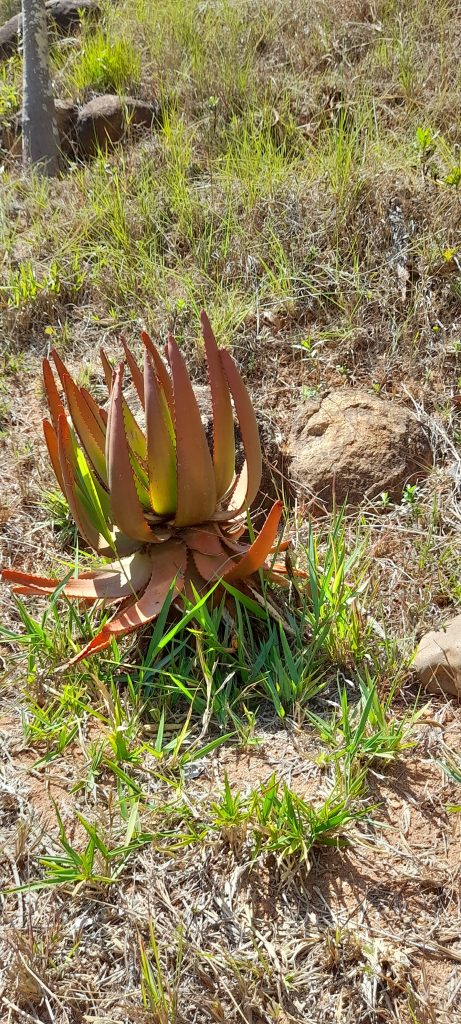
Spiny forest walking tours take place in Parcel Two, out at Ihazofotsy along the RN13, and the contrast is the point of visiting Andohahela at all. Rainfall on this western side drops to 600 or 700 mm a year, and the vegetation that results is the thorny, succulent, alien-looking spiny thicket found only in southern Madagascar.
Trees here store water in swollen trunks and defend it with spines. Octopus trees stand in ranks. The dry season runs seven to eight months and daytime temperatures climb well past what is comfortable for walking, so circuits here start early and finish before midday.
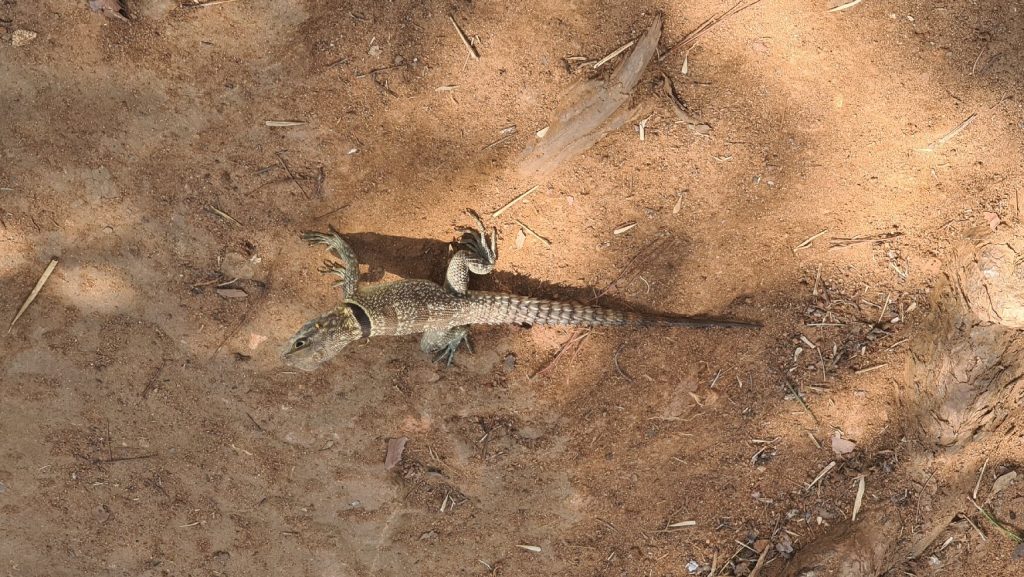
Ring-tailed lemurs and Verreaux’s sifaka are the lemurs of this parcel, along with reptiles built for heat and drought, including iguanid lizards whose closest relatives live in the Americas. A four-wheel drive is needed to reach it, particularly after rain.
Rainforest on one side of a mountain range, spiny desert on the other, roughly forty kilometres apart. Nowhere else in Madagascar puts both inside a single park boundary.
Transition Zone Hiking Tours at Tsimelahy
Parcel Three at Tsimelahy protects the transition forest, and hiking tours here take in the strangest vegetation of the three. This is the belt where humid and dry systems meet and neither wins, producing plant communities found almost nowhere else.
The triangular palm, Dypsis decaryi, is the emblem of this parcel and grows wild nowhere but this corner of Madagascar. Its fronds emerge in three ranks rather than a spiral, which is what gives it the name. Natural pools along the circuit make good swimming stops.
Tsimelahy is the hardest parcel to reach and needs a driver who knows the tracks. It is also the quietest, which for many visitors is the recommendation.
Parcel One, Isaka-Ivondro. Humid rainforest. About an hour from Fort Dauphin on reasonable dirt road. Waterfalls, steep trails, rainforest lemurs and the richest bird list. The easiest parcel to visit.
Parcel Two, Ihazofotsy. Spiny forest along the RN13. Needs a four-wheel drive. Ring-tailed lemurs, Verreaux’s sifaka, and drought-adapted plants found nowhere else. Very hot by mid-morning.
Parcel Three, Tsimelahy. Transition forest with the triangular palms and natural pools. The most remote and the least visited. Local guides or an experienced driver strongly advised.
Lemur Watching Tours Across the Three Habitats
Lemur watching tours at Andohahela cover 13 species, and which ones you see depends entirely on which parcel you walk. That is the appeal: the same park delivers rainforest sifakas and spiny-forest ring-tails on consecutive days.
The rainforest parcel holds the wet-forest community. The spiny parcel holds ring-tailed lemurs and Verreaux’s sifaka, the sifaka famous for crossing open ground upright in sideways bounds. Nocturnal species include Fleurete’s sportive lemur, and long-standing reports place aye-ayes in the park, though a sighting would be exceptional.
Birding Tours in the Andohahela Parcels
Birding tours benefit from the same habitat spread, with over 129 species recorded across the park. Few sites in Madagascar let a birder work rainforest and spiny-forest communities inside a single trip without a long drive between them.

The eastern parcel carries the wet-forest species. The western parcels hold the dry-country endemics of the south, an entirely separate set. Guides at the Fort Dauphin office can advise which parcel suits your target list, and a two-parcel visit over two days is the sensible way to build a serious list here.
Botanical Tours and the Triangular Palm
Botanical tours are a genuine reason to visit rather than an afterthought. Over 90 percent of Andohahela’s plants have recorded uses in traditional Malagasy medicine, and guides from the surrounding Antanosy and Antandroy communities know them.
The triangular palm is the headline. It grows in gardens across the tropics, yet in the wild it is restricted to this transition zone and nowhere else. Add the pachypodiums and euphorbias of the spiny forest and the orchids and ferns of the rainforest, and the botanical range across three parcels has no equivalent in the country.
Andohahela is a day-trip park from Fort Dauphin rather than a trekking destination, and each parcel is a separate outing. Trying to see two in one day means most of it spent in a vehicle. Camping is possible but basic, and a licensed guide is compulsory in all three parcels.
Antanosy and Antandroy Cultural Tours Around the Park
Two peoples live around Andohahela and both are part of what visitors see. The Antanosy occupy the wetter eastern side around Fort Dauphin, while the Antandroy, whose name means people of the thorns, live in the arid country to the west. Cultural tours to the surrounding villages are arranged through the same guides who walk the circuits.
The practical knowledge is worth the time. More than nine tenths of the park’s plants have documented uses in traditional medicine, and guides drawn from these communities identify them by use as readily as by name. Knowing which tree treats what, and which parts of the forest carry local taboos, changes how the walk reads.
Andohahela has been protected since 1939, first under colonial forestry administration and later by the Malagasy water and forest service. Between 1991 and 1997 management passed to WWF under an integrated conservation and development project, an early experiment in tying park protection to the livelihoods of neighbouring villages. National park status followed in 1998, and UNESCO listing came in 2007.
Getting to Andohahela National Park from Fort Dauphin
Fort Dauphin, also called Tolagnaro or Taolagnaro, is the gateway, with flights from Antananarivo and Toliara. The park lies about 40 km away, and the Madagascar National Parks office in town is where circuits and guides are arranged before you set out.
Parcel One is reached in around an hour on dirt road that stays passable in most conditions. Parcel Two sits along the RN13 toward Amboasary and needs a four-wheel drive, especially in the wet. Parcel Three at Tsimelahy is the most difficult, and going without a driver who knows the route is a poor idea.
Driving from Antananarivo takes about three days, which is why nearly everyone flies. Accommodation is concentrated in Fort Dauphin, where hotels, guesthouses and eco-lodges are available. Near the parcels themselves, options thin out to basic camps and community lodgings.
Best Time for an Andohahela Visit
The park spans two climate systems, so no single month is ideal for all three parcels. The eastern side is wettest when the western side is most bearable.
April to June. The rains have eased, tracks are drying and temperatures in the western parcels are manageable. A good period for combining rainforest and spiny forest in one trip.
July to September. Coolest and driest overall, with the most reliable road conditions for reaching Parcels Two and Three. The best window for walking the spiny forest without midday heat becoming a problem.
October and November. Warming up, with reptiles active and plants flowering. Still dry enough for the western parcels. Rainforest walking in Parcel One is comfortable before the summer rains arrive.
December to March. Heavy rain makes roads to the outer parcels difficult or impassable, and the west turns extremely hot. Parcel One remains reachable but the trails are slick and the leeches are out.
Frequently Asked Questions
How much does it cost to visit Andohahela National Park?
Park entry is 45,000 Ariary per adult per day, with children under twelve at 25,000 Ariary. Guides are compulsory and charged by circuit, with each parcel priced separately. Fees are cash in Ariary. The larger cost is vehicle hire from Fort Dauphin, particularly the four-wheel drive needed for Parcels Two and Three, so arrange transport before worrying about entry.
Which parcel should I visit if I only have one day?
Parcel One at Isaka-Ivondro if you want rainforest, waterfalls and easier access. Parcel Two at Ihazofotsy if the spiny forest is what drew you, since that habitat is the rarer sight and the ring-tailed lemurs are more reliable. Attempting both in a day does not work.
How many days do I need?
Two days covers two parcels properly, based in Fort Dauphin. Three days lets you see all three including the remote transition zone at Tsimelahy. Anyone treating Andohahela as a single afternoon stop will see one habitat and miss the entire point of the park.
How difficult is the walking?
Moderate to demanding depending on parcel. Parcel One has steep rocky trails that turn muddy in the wet. The western parcels are flatter but the heat is the difficulty, with the dry season running seven to eight months and midday temperatures high. Early starts matter more than fitness.
Is Andohahela good for lemurs?
Thirteen species live here across the three habitats, which is a strong list. Sightings take more work than at the well-visited parks because the animals are less habituated and visitor numbers are very low. Ring-tailed lemurs in the spiny forest are the most reliable.
What else is near Fort Dauphin?
Berenty Private Reserve is the well-known neighbour, holding a large share of Madagascar’s remaining tamarind gallery forest and offering the easiest ring-tailed lemur viewing in the country. Smaller reserves sit closer to town. Most visitors combine Andohahela with Berenty rather than treating either as a standalone trip.
Do I need a guide?
Yes, in all three parcels. Beyond the requirement, the tracks to Parcels Two and Three are hard to follow and the plant identification that makes this park interesting is not something you will manage alone.
Planning Your Visit
The mistake with Andohahela is treating it as one park. It functions as three separate day trips from Fort Dauphin, each in a different habitat, and the decision that matters is which two or three you have time for and whether your vehicle can reach them.
Booking Your Madagascar Trip
The safari companies and tour operators listed on this website put trips like this together for a living and know which camps, guides and routes actually deliver. We are an independent guide to Madagascar; we do not book or sell tours ourselves.
When you are ready, arrange your safari, tour or holiday with one of the recognised operators listed here. Tell them your dates and what matters most, and a real person, not a form, will handle the itinerary, park bookings and logistics for you.