Zahamena National Park
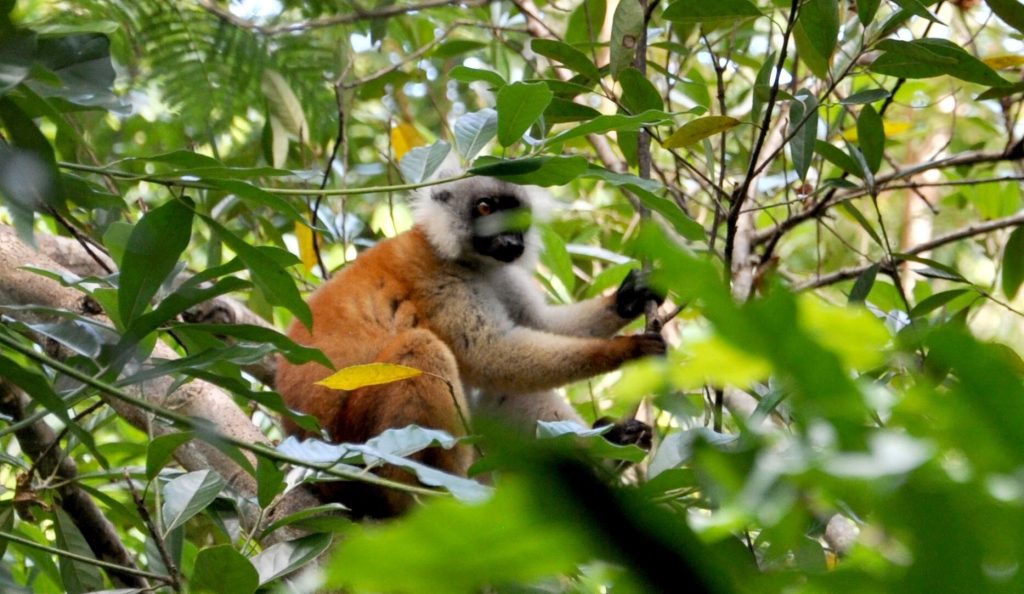
Zahamena National Park protects 13 lemur species including the indri across some of the least visited rainforest in Madagascar, where fewer than one in a hundred of the country’s travellers ever set foot. Trekking is the only activity, with multi-day circuits from the park office at Antanandava and camping the only accommodation. The park sits in the Alaotra-Mangoro region northeast of Ambatondrazaka and forms part of the UNESCO-listed Rainforests of the Atsinanana.
Indri Trekking Safaris in Zahamena’s Rainforest
An indri trekking safari here covers the same species you would see at Andasibe, in forest of comparable richness, with one difference that shapes everything: nobody else is there. Where Andasibe’s trails carry tour groups from mid-morning, Zahamena’s carry you and your guide.
The indri is known locally as babakoto. Groups call through the mornings as they do everywhere in the eastern rainforest, and guides work by ear. Sightings take more effort than at Andasibe because these animals are not habituated and the terrain is severe, with only about five percent of the park’s surface counting as flat ground.
The trade-off is honest and worth stating plainly. You will probably see fewer lemurs than at Andasibe and you will work considerably harder for them. What you get instead is primary rainforest without another visitor in it.
Zahamena takes its name from Zahana Mena, a red-timbered tree that grows on these slopes. The forest holds over 700 plant species, roughly 90 percent of them endemic.
The Bemoara Circuit and Multi-Day Zahamena Trekking
The Bemoara circuit is the main trekking route, split into three stages. The first links the entry point at Ankosy to Bemoara, about 6 km over three hours. Later stages push deeper into the massif, and the full route is demanding rather than technical.
Altitudes across the park run from 200 to around 1,600 metres, so a trek here climbs through several forest bands. Emergent trees pass 30 metres in the eastern section. Along the way the route opens to a panoramic view over Lake Alaotra, Madagascar’s largest lake, sitting in its plain to the west.
A natural swimming pool sits on the circuit and is the reward at the end of a hot day. Guides at Antanandava will pace the stages to your group rather than holding to a fixed schedule.

Lemur Watching Tours and the Thirteen Resident Species
Lemur watching tours at Zahamena cover a species list that rivals any park in Madagascar. Alongside the indri come diademed sifakas, black-and-white ruffed lemurs, red-bellied lemurs with their rust-coloured underparts, and grey bamboo lemurs.
The nocturnal list is where it gets interesting. Aye-ayes are present, along with eastern woolly lemurs, hairy-eared dwarf lemurs and several mouse lemur species. Sightings of the Lake Alaotra bamboo lemur, normally a marsh specialist from the nearby lake, have also been confirmed inside the park.
Beyond primates, the forest holds 46 reptile species and 62 amphibians. Paroedura masobe, a small gecko known locally as katsatsaka, is among the specialities that herpetologists come for.
Birding Tours in the Zahamena Rainforest
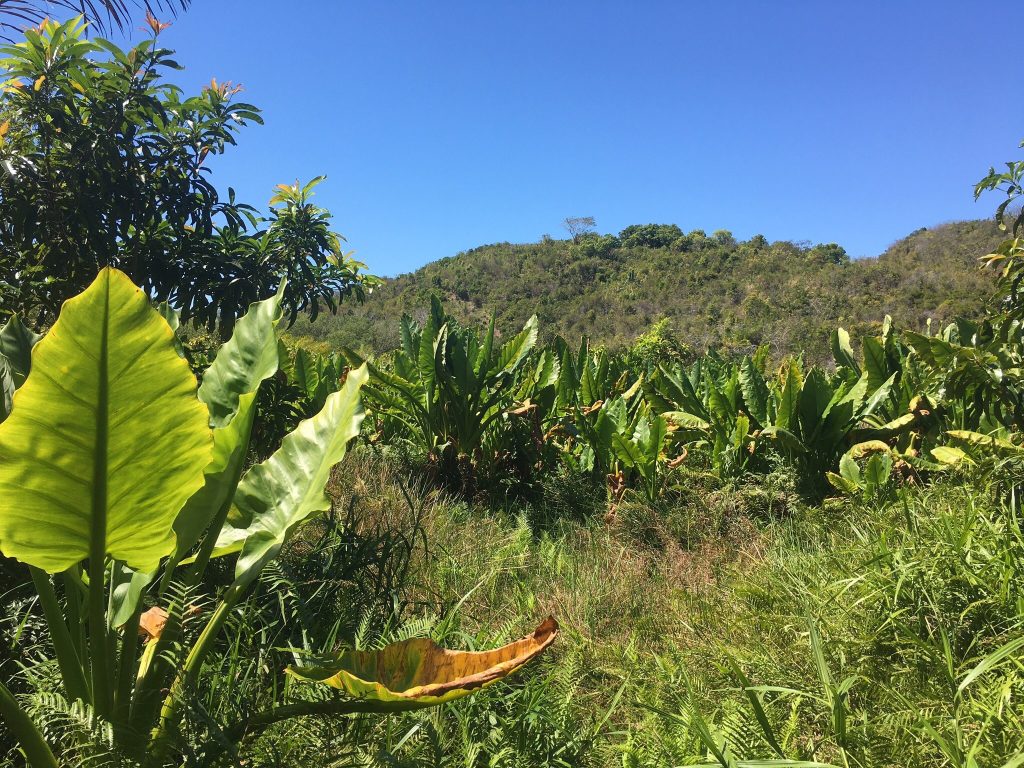
Birding tours work the same altitude gradient as everything else here, with 112 bird species recorded across the park. The eastern rainforest community dominates the lower slopes and thins as the forest shifts higher.
Because so few birders reach Zahamena, the site lacks the worked-up species knowledge that guides at Ranomafana or Marojejy carry. Ask at Antanandava whether a bird-focused guide is available, and be prepared to work more from your own field guide than you would elsewhere.

Waterfall and Natural Pool Hiking Tours
Hiking tours to the water features break up a trek that is otherwise all forest. The large waterfall near the Ranomitsanga camp is the main one, and the camp itself sits close enough to hear it through the night.
Rainfall here runs between 1,800 and 4,000 mm depending where you measure, which keeps the streams full year-round. Water is available from creeks throughout the park, though purification tablets are worth carrying since nothing is treated.
Lake Alaotra Bandro Tours on the Way to Zahamena
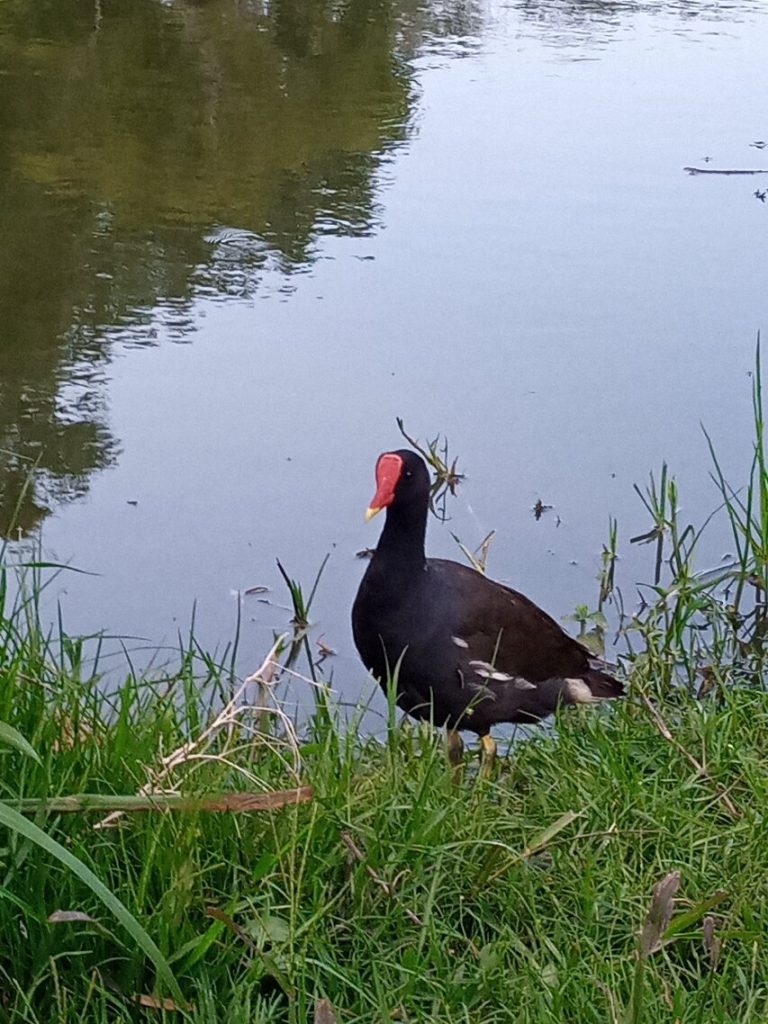
Lake Alaotra sits about 25 km from the park and makes a natural stop en route. Bandro tours run by canoe from the village of Andreba at dawn, looking for the Lake Alaotra bamboo lemur, called bandro locally, which lives in the marsh reeds and nowhere else on earth.
This is a critically endangered animal in a habitat under heavy pressure from rice cultivation and burning. The community at Andreba runs the visits and the camp, and the arrangement is one of the more direct conservation links available to a visitor in Madagascar. Water birds fill out the morning.
Camping Trips and Porter Logistics at Zahamena
All camping trips here are self-supported. There is no lodge, no bungalow and nothing to buy past Ambatondrazaka, where you can pick up charcoal and basic foodstuffs. Everything you need goes into the park on somebody’s back.
Ranomitsanga is the more developed of the camps, with a pit latrine and a roofed area. The others are more basic still. Local guides can organise villagers as porters for a modest sum, and given that every litre of water and every night’s food has to be carried, this is not the place to economise.
Plan your provisioning in Antananarivo or Ambatondrazaka and assume nothing is available closer. Tent, sleeping mat, cooking equipment, food for every day, purification tablets and a serious rain jacket. Rain falls here even through the drier months, and there is no shelter to retreat to.
Getting to Zahamena National Park from Antananarivo
Getting in is the reason so few people do. From the capital, the RN2 runs to Moramanga in two to three hours on tarmac. After that the road quality collapses. The RN44 north to Ambatondrazaka has only two short paved stretches with a long unsealed section between them, and a four-wheel drive is not optional.
The alternative is the train from Moramanga to Ambatondrazaka, which runs twice a week and takes five to six hours. Slower on paper, and often no slower in practice.
From Ambatondrazaka it is a further 67 km of rough track to the park office at Antanandava, roughly four hours, then another 8 km to the entry point near Ankosy. River crossings on the last stretch in are frequently impassable in the wet season. Budget two days each way from Antananarivo and treat any schedule tighter than that as optimistic.
Zahamena. Two days of rough travel each way, self-supported camping, thirteen lemur species and no other visitors. For travellers who want wilderness and have a week to spend on it.
Andasibe-Mantadia. Three to four hours from the capital on tarmac, lodges with hot showers, near-certain indri sightings and tour groups from mid-morning. Substantially the same forest community, a fraction of the effort.
Best Time for a Zahamena Trek
Zahamena is wet. Annual rainfall reaches 4,000 mm in parts of the park and showers occur even through the drier months, so timing is about road access and river levels rather than staying dry.
April to June. Rains ease and the tracks begin drying out. River crossings drop to passable levels. Forest at its greenest and the amphibians still active. A reasonable window if the roads have recovered.
July to October. The driest stretch and the most reliable for reaching the park at all. Cooler walking, firmer tracks and the best chance that the last stretch of road is open. This is when most of the few visitors come.
November and December. Warming and wetter, with reptiles and frogs at their most active. Indri are often reported as easier to locate in these months. Road conditions start deteriorating toward the end.
January to March. Heavy rain and cyclone exposure. The RN44 becomes very difficult and the river crossings near the park often impassable. Not a period to attempt this trip.
Frequently Asked Questions
How much does it cost to visit Zahamena National Park?
Park entry follows the standard Madagascar National Parks rate of 45,000 Ariary per adult per day, with children under twelve at 25,000 Ariary. Guides are compulsory and charged by circuit, and porters cost a modest daily rate paid directly. Fees are settled in cash in Ariary at the Antanandava office. The larger expense by far is transport, since reaching the park needs a four-wheel drive and driver for several days.
Is there anywhere to stay?
Not inside the park. Camping is the only option, at Ranomitsanga and other basic sites, and you bring everything yourself including tent, bedding and food. Ambatondrazaka has simple hotels for the nights either side of the trek.
How many days do I need?
At least six from Antananarivo. Two days travelling in, two or three walking, two days back. Trying to compress it means spending the whole trip in a vehicle. Adding a night at Lake Alaotra for the bandro extends it by one and is worth doing.
How difficult is the trekking?
Demanding but not technical. The park is steep, with only about five percent flat ground, and the trails are muddy and slippery for much of the year. Porters carry the loads, which makes the difference. Reasonable hill fitness and a tolerance for wet conditions are the requirements.
Will I see the indri?
Hearing them is near certain in the mornings. Seeing them takes more work than at Andasibe, since the groups here are not habituated to people and the forest is dense and steep. Two or three days in the park gives you a fair chance rather than a guarantee.
Is Zahamena worth it over Andasibe?
Only if solitude is what you are after. The two parks share much of their wildlife, and Andasibe delivers it in a fraction of the time with hot showers at the end. Zahamena rewards travellers who have already done the accessible parks and want forest with nobody in it, and who have the days to spare.
Can I visit independently?
Possible but difficult. You would need your own four-wheel drive or a hired one with driver, full camping equipment, and provisions bought before leaving Ambatondrazaka. Guides are arranged at Antanandava. Most visitors go through an operator because the logistics rather than the walking are the hard part.
Planning Your Visit
Zahamena is a logistics problem more than a hiking one. The forest is straightforward once you are in it. Getting there, carrying enough, and finding out whether the river crossings are open are the parts that decide whether the trip happens at all.
Booking Your Madagascar Trip
The safari companies and tour operators listed on this website put trips like this together for a living and know which camps, guides and routes actually deliver. We are an independent guide to Madagascar; we do not book or sell tours ourselves.
When you are ready, arrange your safari, tour or holiday with one of the recognised operators listed here. Tell them your dates and what matters most, and a real person, not a form, will handle the itinerary, park bookings and logistics for you.