Toliara (Tuléar)
Toliara, also called Tuléar, is the sun-baked terminus of the RN7 and the gateway to the reefs and spiny forest of southwestern Madagascar. Most visitors stay one night before transferring to the coastal lodges at Ifaty, Mangily or Anakao. The city itself is the driest and hottest in the country, laid out on a French colonial grid and full of pousse-pousse rickshaws.
Antsokay Arboretum Tours and the Spiny Forest
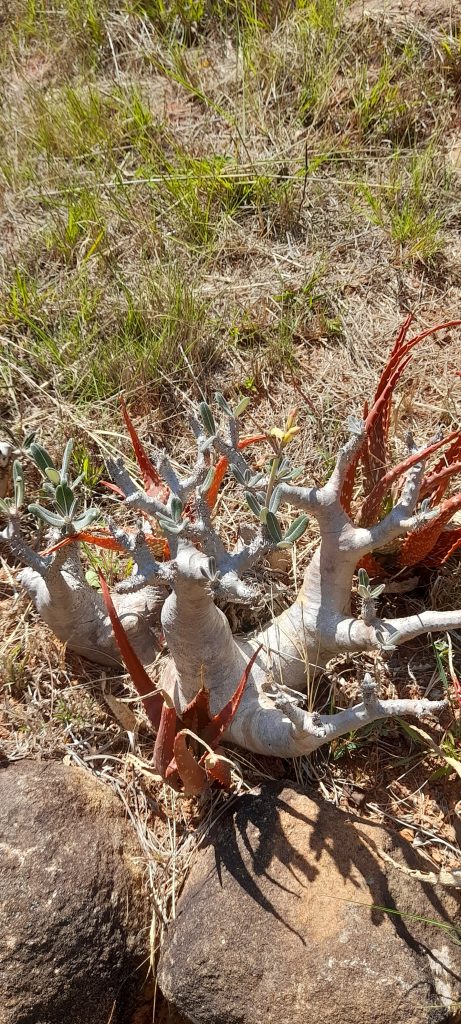
Antsokay Arboretum is the standout attraction and sits about 12 km east of the city. Founded by a Swiss botanist, it holds over 900 plant species from the southwest, around 90 percent of them found nowhere else and a large proportion with recorded medicinal uses.
The walk takes roughly two hours on uneven paths, and the English-speaking guides are genuinely well informed rather than reciting a script. Octopus trees, elephant’s foot pachypodiums and baobabs make up the strange botany of the spiny forest, and lemurs, radiated tortoises, chameleons and birds turn up along the way.
Go early. Temperatures climb fast here and shade is limited. A few hours covers the grounds properly, and there is a small museum and restaurant on site.
Ifaty and Mangily Beach Trips
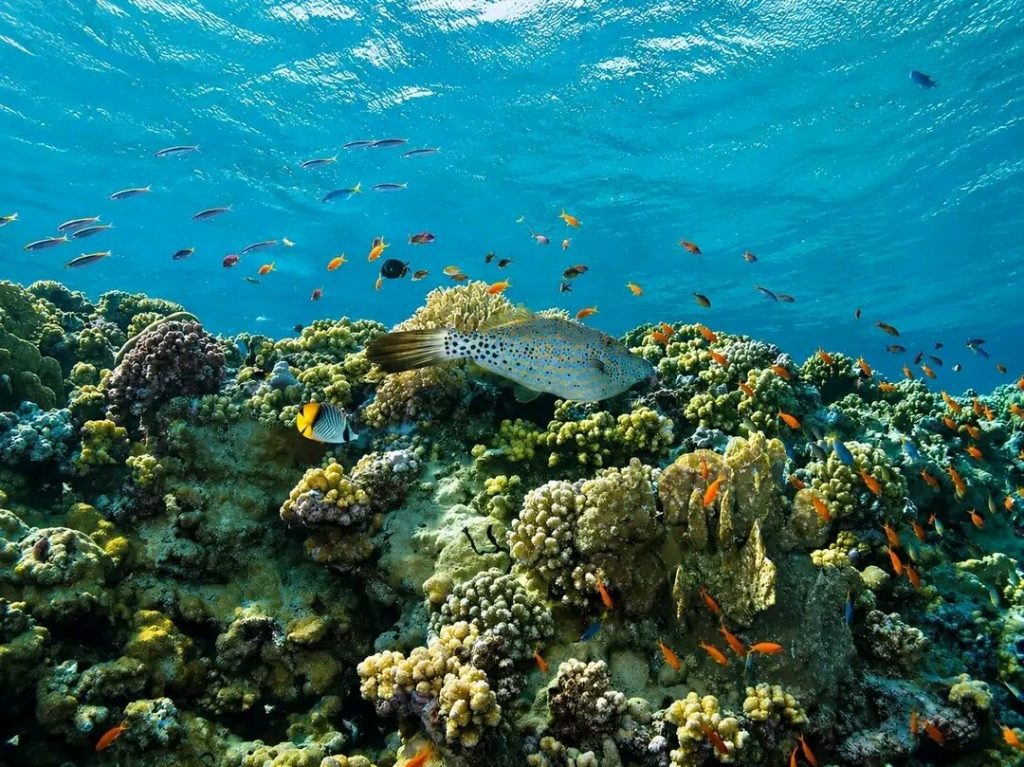
Ifaty lies around 27 to 30 km north on a rough road and is where most visitors actually stay. A coral reef sits roughly 200 metres offshore, making snorkelling straightforward, and scuba operators work the wider reef system.
Bring your own snorkel gear if you have it, since rental quality is inconsistent. Beyond Ifaty, Mangily, Salary Bay and Andavadoaka run north up the coast with progressively fewer visitors.
South of the city, Anakao is reached by boat in the morning, a Vezo fishing village with beach lodges and access to Nosy Ve for seabirds and to Tsimanampetsotsa National Park inland. Saint Augustin Bay and Sarodrano sit between.
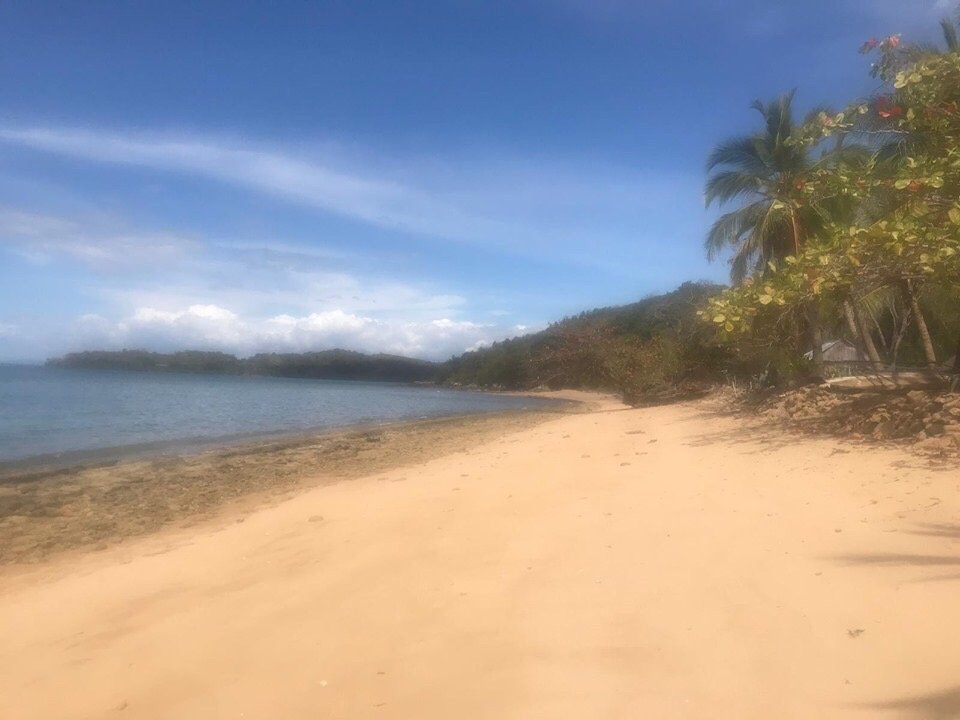
Toliara itself has no swimming beach worth the name. The shoreline in town is tidal flats and the water is not appealing. Travellers who book a city hotel expecting a beach holiday are consistently disappointed. Use Toliara as a transit point and sleep at Ifaty, Mangily or Anakao if you want coast.
Reniala Reserve and Honko Mangrove Tours
Reniala Nature Reserve on the road toward Ifaty protects spiny forest with baobabs and a tortoise village, and offers guided walks through habitat that looks like nowhere else on earth. Birding here is good, with several southwest endemics.
The Honko community mangrove reserve, on the same road, runs guided boardwalk tours through mangrove that supports crabs, waders and juvenile fish. It is community-managed, and the fees fund the local association.
Both are short visits, an hour or two each, and combine well with the Arboretum into a full day out of the city without going as far as the beaches.
Ninety percent of the plants in the Antsokay Arboretum grow nowhere outside southwestern Madagascar. The spiny forest is among the strangest vegetation on the planet and it starts at the edge of town.
Whale Watching and Pirogue Trips with the Vezo
Whale watching tours run from Toliara and Ifaty when humpbacks pass along this coast, breaching offshore during the middle months of the year. Boats go out daily in season.
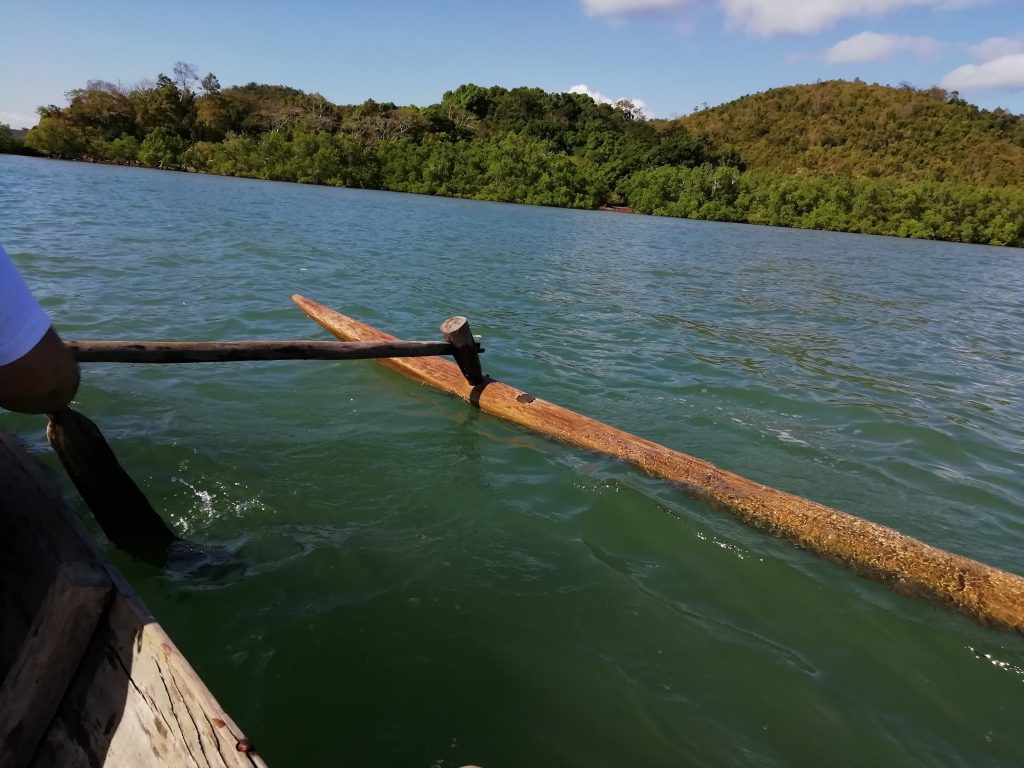
The Vezo are the sea people of the southwest, and arranging a trip on a traditional outrigger pirogue is the more interesting way onto the water. Their sailing and fishing techniques are worth watching, and crews will take passengers on request.
Deep-sea fishing charters run for tuna, barracuda and dorado, with some operators preparing your catch for dinner. Snorkelling and scuba on the reef, sometimes called the great barrier reef of Toliara, is the main marine draw.

City Tours, Museums and Market Shopping
The city centre is compact and walkable, laid out on a colonial grid with Boulevard Gallieni as the main street. The market is lively and among the better places in Madagascar to buy lambas, the printed cotton wraps worn everywhere.
Two museums are worth an hour. The Mahafaly arts and traditions museum covers the culture of the deep south. The Rabesandratana oceanographic museum, inside the marine sciences institute, holds a coelacanth caught off Anakao in the nineties, which is the sort of thing that justifies the visit on its own.
La Table, a small flat-topped hill outside the city, gives a viewpoint over the bay after a fifteen-minute climb. It sits about 3 km beyond the Arboretum and is walkable from there.
Mahafaly and Vezo Culture in the Deep South
Two peoples define this corner of Madagascar and the difference between them is worth knowing. The Vezo live on the coast and are fishing people, semi-nomadic along the shore, sailing outrigger pirogues that they build themselves. Their name means those who paddle, and identity here is defined by what you do rather than where your ancestors came from.
Inland, the Mahafaly herd zebu across spiny country that supports almost nothing else. They are known above all for their tombs, rectangular stone structures topped with carved wooden posts called aloalo, often depicting scenes from the life of the person buried beneath alongside zebu horns marking the animals sacrificed at the funeral.
The Mahafaly arts museum in Toliara traces this and is the best introduction available. Tombs themselves lie scattered across the country south and east of the city and require a guide and permission to visit, since they are active ancestral sites rather than monuments.
Antandroy communities occupy the drier land further southeast toward Fort Dauphin. All three groups share country that receives among the lowest rainfall in Madagascar, and their customs reflect an economy built on cattle, fishing and very little agriculture.
Getting to Toliara and Getting Around
Toliara has an airport with domestic flights from Antananarivo, which is how many visitors arrive. The alternative is the full RN7 drive from the capital, roughly 950 km and several days with stops, ending here.
Pousse-pousse are everywhere and are the cheapest way around the city, with fares negotiated before setting off and typically small. Cyclo-pousse cover longer distances. Taxis exist but are less common than in bigger cities.
For Ifaty and the Arboretum, hire a taxi for the day or take an organised transfer, which most hotels arrange. Anakao is reached by boat, departing in the morning. Onward travel to Tsimanampetsotsa or Mikea National Park needs a four-wheel drive.
One night in the city. Arrive, visit the Arboretum, see the market, transfer to the coast the next morning. What most RN7 itineraries allow and enough for Toliara itself.
Several nights on the coast. Base at Ifaty, Mangily or Anakao for reef snorkelling, scuba, whale watching in season and access to the spiny forest reserves. The version worth planning for.
Best Time to Visit Toliara
This is the driest and hottest corner of Madagascar, with bright sun almost year-round and very little rain at any time.
April to June. After what little rain the region gets, temperatures ease and conditions are comfortable. Good for the Arboretum and the reserves before the heat builds. Quiet on the coast.
July to September. The most pleasant months, cooler and dry, and the peak window for humpback whales passing offshore. Busiest period, with the RN7 traffic arriving and coastal lodges filling.
October and November. Warming quickly with excellent underwater visibility. Fewer visitors than mid-year. Midday becomes hard work in the city and at the reserves.
December to March. Hottest months with the year’s brief rain, mostly short storms. Tracks to the outlying reserves can wash out. Reef conditions remain good and prices drop.
Toliara also functions as the supply point for the whole southwest, which is why travellers heading to Ifaty, Anakao, Salary Bay or the spiny forest reserves should buy anything they need here. Banks, pharmacies and general supplies thin out immediately beyond the city, and the coastal lodges carry basics rather than anything specific.
The city’s position at the end of the RN7 also makes it the point where most southern itineraries either finish or turn around. Travellers flying out from here should confirm the schedule well ahead, since services run at limited frequency and the overland alternative back to the capital is the better part of a week.
Frequently Asked Questions
How much does it cost to visit Toliara?
The city is cheap. Pousse-pousse fares run roughly 2,000 to 5,000 Ariary depending on distance, always negotiated first. Antsokay Arboretum charges around 15,000 Ariary entry. Hiring a taxi for a day out to Ifaty and the reserves is the main expense and is priced per vehicle. Coastal lodges at Ifaty and Anakao span a wide range, and boat transfers to Anakao are charged separately.
Should I stay in the city or on the coast?
The coast, unless you are only passing through. Toliara has no usable swimming beach and is hot and dusty. Ifaty and Mangily are half an hour north on a rough road, Anakao is a morning boat ride south, and both offer reef access and proper beaches. One night in the city is enough.
Is the Antsokay Arboretum worth visiting?
Yes, and it is the strongest single attraction in the area. Over 900 plant species from the southwest, nearly all endemic, with knowledgeable English-speaking guides and wildlife including lemurs, tortoises and chameleons. Two hours covers it. Go early before the heat.
How do I get to Anakao?
By boat from Toliara, departing in the morning and taking around an hour. Services are weather dependent. Anakao is the base for Tsimanampetsotsa National Park inland and for Nosy Ve, and has beach lodges. Book the transfer through your lodge rather than arranging it on arrival.
Can I see whales here?
Humpbacks pass along this coast during the middle months of the year and boat trips run from Toliara and Ifaty in season. Sightings are good but not guaranteed. Ask operators how they handle distance and numbers around the animals before booking.
What is the road to Ifaty like?
Rough. The 27 to 30 km north takes considerably longer than the distance suggests, and a four-wheel drive or at least a high-clearance vehicle is sensible. Transfers are usually arranged through lodges. The same applies to tracks running further north toward Salary and Andavadoaka.
Is Toliara worth stopping in at all?
For a night, yes. The Arboretum, the oceanographic museum with its coelacanth, the market and Table Mountain fill a day comfortably. As a destination in itself, no, and travellers who plan several nights in the city rather than on the coast usually regret it.
Planning Your Visit
Toliara works as a hinge rather than a destination. It is where the RN7 ends, where the flights land, and where you turn either north to Ifaty or south to Anakao. Getting that transfer right matters more than anything you do in the city.
Booking Your Madagascar Trip
The safari companies and tour operators listed on this website put trips like this together for a living and know which camps, guides and routes actually deliver. We are an independent guide to Madagascar; we do not book or sell tours ourselves.
When you are ready, arrange your safari, tour or holiday with one of the recognised operators listed here. Tell them your dates and what matters most, and a real person, not a form, will handle the itinerary, park bookings and logistics for you.