Solo Female Travel in Madagascar
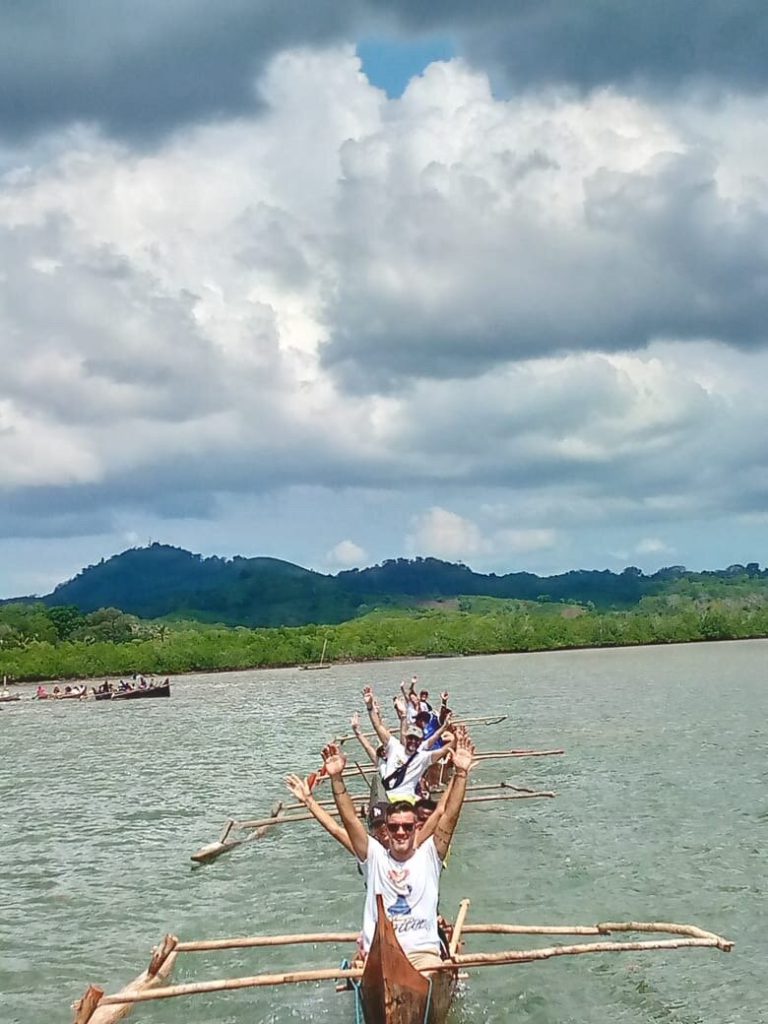
Solo female travel in Madagascar is common and works, with the same precautions that apply widely rather than anything peculiar to the country. Guides are compulsory in every national park, which means women rarely walk alone in remote forest, and many report that requirement as a benefit. The realistic concerns are petty theft in Antananarivo, road travel and unwanted attention rather than serious threat.
What Solo Female Travellers Report
Madagascar does not have a reputation as a difficult destination for women travelling alone, and the accounts of those who have done it are largely positive.
Harassment happens and is mostly verbal rather than physical, concentrated in urban areas and around busy tourist spots. It compares with what women report across much of the world rather than being notably worse.
The park structure helps considerably. Guides are compulsory at every Madagascar National Parks property, so the walking that forms the core of a trip here is always accompanied. Community reserves recommend guides strongly rather than requiring them.
What catches solo travellers out is more often the logistics than the safety: long drives, limited public transport to park entrances and the cost of hiring a vehicle alone rather than splitting it.
Guides are compulsory in every national park, which means the walking that makes up most of a Madagascar trip is never done alone.
Practical Precautions
The advice is unglamorous and it works.
Arrive in new places during daylight. Taxi-brousse departures are unpredictable, so plan journeys to land with hours of light rather than at dusk.
Arrange transport through accommodation rather than hailing on the street, particularly at night and particularly in Antananarivo.
Do not walk alone after dark in urban areas. This is the single most repeated piece of advice for Madagascar broadly and applies with more force to solo travellers. Taxis are cheap.
Dress modestly away from beaches. Shoulders and knees covered is the standard in villages, markets and at cultural sites, and it reduces unwanted attention as well as being expected.
Tell someone your route. Share your itinerary with someone at home and check in when signal allows, remembering that coverage disappears entirely at Marojejy, Masoala, Zahamena and across the western circuit.
Keep valuables out of sight. Money in two separate pockets, small notes accessible, bags closed and in front of you in crowded areas.
Antananarivo and the Cities
The capital requires the most care and is where nearly all reported incidents occur.
Pickpocketing and bag-snatching are common around Analakely market, transport hubs, Avenue de l’Indépendance and busy tourist areas. The advice to carry money in two pockets with small notes accessible exists because opening a full wallet in a crowd is what draws attention.
Do not walk around Lac Anosy alone, particularly after dark. This appears in every safety briefing for the city and is worth following.
Use taxis at night rather than walking, arranged through your hotel rather than hailed. Fares are negotiated before departure and are inexpensive.
Other cities are more relaxed. Diego Suarez, Antsirabe and Fianarantsoa are all considered safer than the capital, and Antsirabe in particular has a reputation as one of the easiest towns in Madagascar.
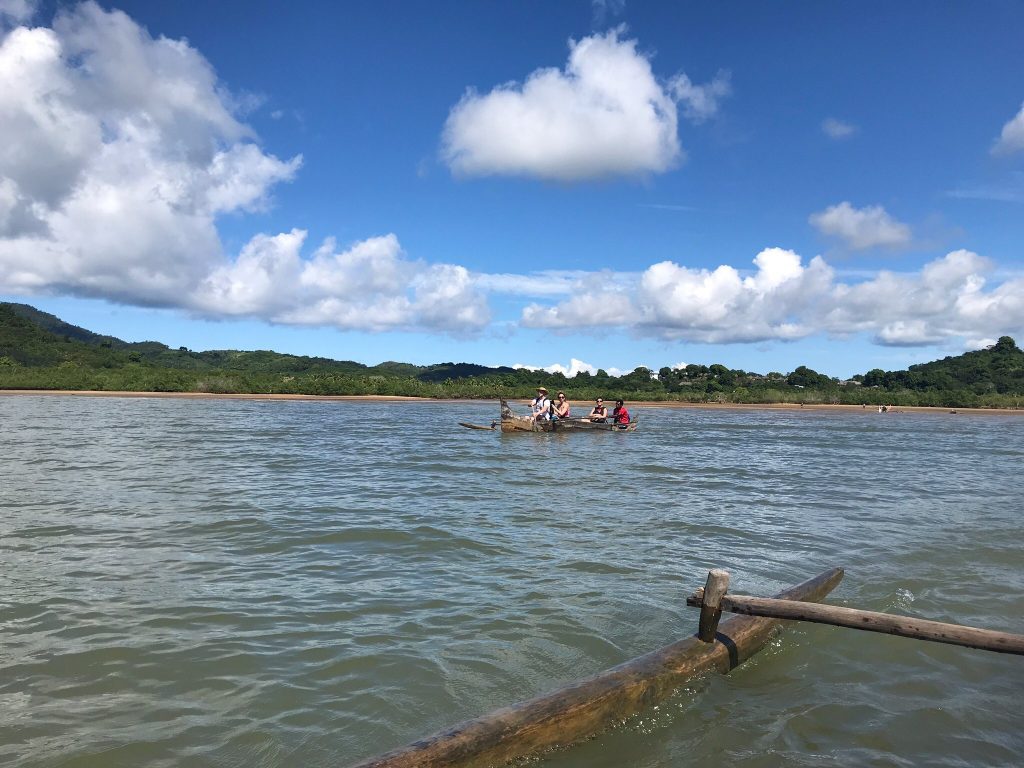
Straightforward solo. The RN7 corridor with taxi-brousse between towns, the northern circuit from Diego Suarez, Andasibe on the RN2, and the island destinations. Established routes with other travellers around.
Harder solo. The western circuit to Tsingy de Bemaraha, the remote northwest parks, and Marojejy or Masoala. Vehicle or boat charter costs fall entirely on one person and the areas are genuinely isolated.
Transport and Getting Around Alone
Taxi-brousse is how most Malagasy people travel and is used by solo female travellers routinely. Vehicles are crowded, which is uncomfortable and also means you are never isolated.
Travel by day. Night services exist and are best avoided by anyone, since road conditions and vehicle maintenance make them a genuine risk rather than a discomfort.
The awkwardness is reaching park entrances from drop-off points. Ranomafana sits off the RN25, Anja needs a hop from Ambalavao, and returning after a full-day circuit can leave you waiting.
Hiring a vehicle alone is expensive, since the daily rate does not divide. Some solo travellers join other parties at guesthouses to share a car for park legs, which is worth asking about.
Police checkpoints on main roads request identification routinely and are entirely ordinary. Carry your passport or a clear photocopy.
Meeting Other Travellers
Madagascar has fewer hostels than backpacker destinations elsewhere, which makes meeting people harder than in Southeast Asia or East Africa.
Guesthouses on the RN7 corridor are where independent travellers congregate, particularly at Antsirabe, Ranomafana and Ranohira near Isalo. Asking at reception whether anyone is heading the same way often produces a shared taxi or a split guide fee.
Sharing guide fees is the practical benefit of finding company. Guides are charged per group rather than per person, so joining another party at a park gate halves the cost without affecting the walk.
Organised group tours are the alternative for travellers who would rather not arrange everything alone, and they solve both the cost and the company problems at once.
The islands and the beach destinations at Nosy Be, Sainte-Marie and Ifaty have more of a social scene than the park circuits.
Official advice recommends using a recognised tour operator in the southern triangle between Ihosy, Toliara and Fort Dauphin, where armed cattle-rustling groups known as dahalo are active in rural areas, and travelling to Fort Dauphin by air rather than road. This applies to all travellers rather than women in particular, and it is worth following regardless of how you are travelling.
Cultural Expectations
Malagasy society is not restrictive toward women in ways that affect visitors, and solo female travellers do not face the constraints that apply in some destinations.
Dress modestly away from beaches and resorts, with shoulders and knees covered in villages and at cultural sites. This is a general courtesy rather than a gendered rule.
Communication tends toward indirectness, and a firm but polite refusal is understood. Blunt confrontation is uncomfortable for everyone and rarely necessary.
Wearing a ring and referring to a husband is a tactic some solo travellers use anywhere and works here as elsewhere, though most report not needing it.
Learning a few words of Malagasy changes how you are received. Misaotra for thank you and azafady for please and excuse me cost nothing and are noticed everywhere.
Accommodation for Solo Travellers
Single rooms exist at most properties but single supplements are common, which makes solo travel proportionally more expensive on accommodation as well as transport.
Guesthouses along the RN7 are the cheapest and the most sociable, since independent travellers congregate at Antsirabe, Ranomafana and Ranohira near Isalo. Asking at reception whether anyone is heading the same way often produces a shared taxi or a split guide fee.
At remote parks the small lodges have limited rooms and doubles rather than singles, so book ahead and expect to pay for the room rather than the bed.
Camping inside the parks at Isalo, Andringitra and Marojejy is cheaper but less practical alone, since you carry everything and the sites are isolated. Marojejy’s camps have cabins with beds rather than requiring tents, which suits solo trekkers better.
Beach destinations at Nosy Be, Sainte-Marie and Ifaty have more of a social scene than the park circuits, which matters on a longer trip.
Health and Emergencies Alone
Travelling alone raises the stakes on medical arrangements, since there is nobody to organise help on your behalf.
Comprehensive insurance including medical evacuation matters more when solo. Keep policy details and emergency numbers accessible offline, since signal disappears at the remote parks.
Malaria prophylaxis is standard advice for the whole country except Antananarivo, arranged through a travel clinic four to eight weeks before departure.
Register with your embassy if that service is offered, and share your itinerary with someone at home including which parks you will be in and when you expect to have signal again.
At Marojejy, Masoala, Namoroka and Zahamena there is no phone coverage and the nearest hospital is many hours away. Solo travellers on multi-day treks are accompanied by guides and porters throughout, which is a genuine safety benefit.
Frequently Asked Questions
Is Madagascar safe for solo female travellers?
Many travel solo without incident, using precautions that apply widely: avoid walking alone after dark, arrange transport through accommodation, dress modestly away from beaches and share your route with someone. Harassment is mostly verbal and concentrated in urban areas. Guides are compulsory in every national park, so the walking is never done alone.
Where should I be most careful?
Antananarivo, where pickpocketing and bag-snatching are common around Analakely market, transport hubs and busy areas. Do not walk around Lac Anosy alone, particularly after dark, and use taxis at night rather than walking. Other cities including Diego Suarez, Antsirabe and Fianarantsoa are considered more relaxed.
Can I use taxi-brousse alone?
Yes, and solo female travellers do so routinely. Vehicles are crowded, which is uncomfortable and also means you are never isolated. Travel by day rather than at night, since road conditions and vehicle maintenance make night services a genuine risk for anyone.
Is it expensive travelling alone?
Vehicle hire is the problem, since the daily rate does not divide. Guide fees at parks are charged per group rather than per person, so joining another party at the gate halves the cost. Asking at guesthouses whether anyone is heading the same way often produces a shared taxi or split fees.
Will I meet other travellers?
Fewer than in backpacker destinations elsewhere, since Madagascar has very few hostels. Guesthouses along the RN7 at Antsirabe, Ranomafana and Ranohira are where independent travellers congregate. The island and beach destinations have more of a social scene than the park circuits.
How should I dress?
Modestly away from beaches and resorts, with shoulders and knees covered in villages, markets and at cultural sites. This is a general courtesy expected of all visitors rather than a rule applying only to women, and it reduces unwanted attention as a side benefit.
Are guides safe to be alone with?
Park guides are accredited through Madagascar National Parks and work within a system with reputational accountability. Reports of problems are rare. Booking through your accommodation or a recognised operator rather than accepting an informal offer near a park entrance is the sensible precaution.
Should I join a group tour instead?
It solves the cost and company problems at once and removes the logistics, which are harder than the safety in Madagascar. Independent travel on the RN7, the northern circuit and to Andasibe is straightforward. The western circuit and the remote parks are where a group or operator makes the most difference.
Planning Your Trip
Solo female travel in Madagascar is more a logistical question than a safety one. The precautions are the ordinary ones, the parks require guides anyway, and what actually shapes a solo trip is the cost of hiring vehicles alone and reaching park entrances from public transport.
Booking Your Madagascar Trip
The safari companies and tour operators listed on this website put trips like this together for a living and know which camps, guides and routes actually deliver. We are an independent guide to Madagascar; we do not book or sell tours ourselves.
When you are ready, arrange your safari, tour or holiday with one of the recognised operators listed here. Tell them your dates and what matters most, and a real person, not a form, will handle the itinerary, park bookings and logistics for you.