Sambava and the SAVA Vanilla Region

Sambava is the gateway to Marojejy National Park and the centre of the SAVA region, where most of Madagascar’s vanilla grows. The name comes from the four towns of Sambava, Antalaha, Vohemar and Andapa. Visitors come for the silky sifaka at Marojejy rather than the town, and pass through the vanilla plantations to reach it.
The SAVA Region and Vanilla
Madagascar produces a large share of the world’s vanilla and most of it comes from this corner of the northeast, in the belt running between the four SAVA towns.
The crop is labour-intensive in a way few agricultural products are. Each flower must be hand-pollinated on the single morning it opens, since the insect that pollinates vanilla in its native Mexico does not exist here. Curing takes months.
Vanilla prices are volatile and the swings shape the region’s economy, with periods of prosperity followed by collapse. Theft of green pods before harvest is a real problem and growers guard their plots.
Plantation visits can be arranged locally and are worth the time, since the process explains why the product costs what it does.
Buying vanilla here costs a fraction of the airport price, and considerably less than at home. Note that quantity limits apply on export.
Cloves, coffee, pepper and coconut also grow along this coast, and the plantations are worked by smallholders rather than large estates. The economy rests on these crops almost entirely, which is why price volatility hits so hard.
Every vanilla flower is hand-pollinated on the single morning it opens, because the insect that does the job in Mexico never reached Madagascar. That is why the spice costs what it does.
Marojejy National Park
Marojejy is the reason most visitors come to Sambava, and it is among the most demanding parks in Madagascar.
There is no road in and no day visit. You walk between three mountain camps and sleep in the forest, with porters carrying loads and cabins rather than tents at the camps.
The silky sifaka is the draw, a white lemur surviving only in this forest and neighbouring Anjanaharibe-Sud, with fewer than two thousand animals remaining. Sightings happen around Camp Marojejia at 775 metres, needing three to four days.
Hiring the park’s specialist tracker alongside your guide is the single best value item on the fee list. Visitors who skip it to save money frequently report not seeing the animal.
The summit route adds Camp Simpona at around 1,250 metres and the peak at 2,132 metres, taking four to five days through cloud forest.
Distances are short and gradients severe. The stretch between the first two camps is barely 2 km and takes one to two hours on stone that turns treacherous when wet.

Getting There and Trekking Arrangements
Sambava is reached by air from Antananarivo, Antsiranana, Maroantsetra and Toamasina. The road from Vohemar and Antsiranana exists but is poor.
From Sambava, Manantenina village is where the Marojejy trek begins, reached by road in around an hour and a half. Guides, porters, a cook and the specialist tracker are all hired here.
There is no bank at Manantenina. Draw cash in Sambava for park fees, the full team and tips, since everything is cash in Ariary and running short at the trailhead has no solution.
Andapa inland is the fourth SAVA town and the access point for Anjanaharibe-Sud Special Reserve, the other forest holding silky sifaka.
Sambava itself has basic accommodation and is a working town rather than a destination. Most trekkers spend a night either side.
Mantella trek, two days. To the first camp at 450 metres. Rainforest, frogs and reptiles, without reaching the sifaka altitude. The short option for travellers without the days.
Simpona trek, three to four days. To Camp Marojejia at 775 metres where silky sifaka sightings happen. The reason most people come, and the version worth planning for.
Summit trek, four to five days. Adds Camp Simpona at 1,250 metres and the peak at 2,132 metres through cloud forest. For trekkers wanting the mountain as well as the lemur.
The Silky Sifaka
Propithecus candidus is among the rarest primates on earth, entirely white with patches of bare dark skin on the face, and restricted to Marojejy and Anjanaharibe-Sud.
Population estimates put fewer than two thousand animals in the wild, and there are none in captivity anywhere. The species has been listed among the world’s most endangered primates repeatedly.
They live at altitude in the mid-elevation forest, which is why the trek to Camp Marojejia is necessary rather than optional. Groups move over substantial areas and the trackers follow them daily.
Sightings are good but not guaranteed. Travellers who allow only two days at the camp reduce their chances considerably compared with those who allow three.
Beyond the sifaka, Marojejy holds eleven lemur species, the helmet vanga, around 150 reptile and amphibian species and roughly 300 fern and epiphyte species.
The park is part of the Rainforests of the Atsinanana UNESCO World Heritage listing inscribed in 2007, alongside Masoala, Zahamena, Ranomafana, Andringitra and Andohahela. That listing recognises the eastern rainforests as a single system whose species evolved in isolation after Madagascar separated from the other landmasses.
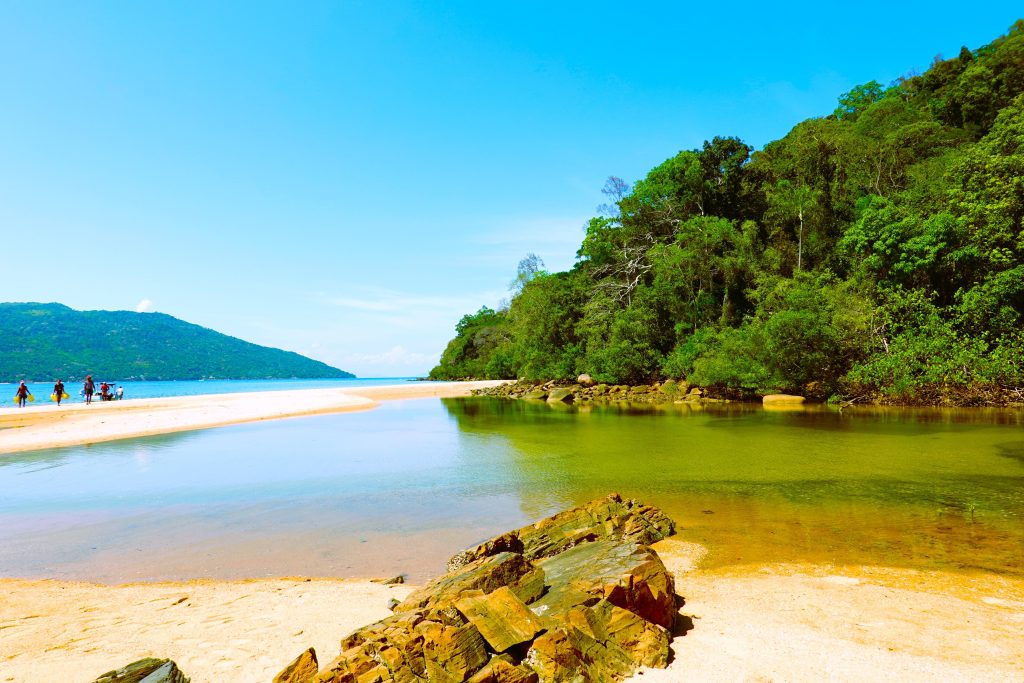
Marojejy’s river crossings run high after heavy rain and the stone paths between camps turn treacherous when wet. The park is in the wettest region of Madagascar with rain in every month, so waterproofs and boots with real grip are not optional. September to December is the driest stretch and the window most trekkers use.
Antalaha, Vohemar and the Coast
Antalaha south of Sambava is the other main vanilla town and the northern end of the coastal track over the Masoala peninsula, which is a multi-day trek rather than a road.
Vohemar to the north has beaches and the archaeological site at Vohemar associated with early Islamic trading settlement on this coast.
The coast along here is exposed and cyclone-prone, with January to March bringing the highest risk in Madagascar. Recent seasons have caused serious damage in these towns.
Beaches exist but this is not a beach destination. Travellers come for Marojejy and the vanilla, and the coast is scenery rather than a reason.
The SAVA region sees very few tourists for its size, and infrastructure reflects that.
Anjanaharibe-Sud Special Reserve
Anjanaharibe-Sud is the other forest holding silky sifaka, reached from Andapa inland rather than from Manantenina, and it sees a fraction even of Marojejy’s visitors.
The reserve protects montane rainforest across a range of altitudes and holds the indri at its northern limit, which is unusual since the species is otherwise associated with the eastern forests further south.
Facilities are minimal and access needs arranging through Madagascar National Parks or operators in Andapa. Trails are less developed than Marojejy’s and there are no camps with cabins.
For travellers who have done Marojejy and want more of the same forest without other people, it is the obvious next step. For everyone else, Marojejy delivers the same species with considerably better infrastructure.
Andapa itself sits in a valley of rice terraces surrounded by forest and is the least visited of the four SAVA towns.
Best Time to Visit
The northeast is the wettest region in Madagascar and the most cyclone-exposed.

September to December. The driest stretch and the window most Marojejy treks use. River crossings at safe levels, paths less treacherous and wildlife active. The strongest period by some margin.
April to June. Heavy rain easing, though trails stay muddy and crossings can run high. Fewer visitors. Workable for the shorter Mantella trek rather than the summit route.
July and August. Cooler and still wet, with rougher conditions on the mountain. Vanilla harvest activity in the plantations. Trekking is possible but less comfortable than the spring window.
January to March. Cyclone season, when the coast takes direct landfalls, river crossings become dangerous and access is unreliable. The region is best avoided entirely.
Frequently Asked Questions
How do I get to Sambava?
By air from Antananarivo, Antsiranana, Maroantsetra or Toamasina. The road from Vohemar and Antsiranana exists but is poor, and most visitors fly. From Sambava, Manantenina village where the Marojejy trek begins is about an hour and a half by road.
What does the Marojejy trek cost?
Park entry follows the Madagascar National Parks structure at 45,000 Ariary per adult per day, with a guide, porters at roughly one per trekker, a cook and optionally the specialist sifaka tracker all hired separately at Manantenina. Everything is cash in Ariary and there is no bank at the trailhead, so draw in Sambava.
Will I see a silky sifaka?
Good chances with three or four days and the specialist tracker, considerably worse without. Fewer than two thousand animals survive, in this forest and neighbouring Anjanaharibe-Sud only, and there are none in captivity anywhere. Allowing two days at Camp Marojejia rather than three reduces your odds noticeably.
How hard is the trek?
Demanding. Distances are short and gradients severe, with the stretch between the first two camps barely 2 km taking one to two hours on stone that turns treacherous when wet. Porters carry loads and camps have cabins with beds rather than tents, which helps considerably.
When should I go?
September to December, the driest stretch, when river crossings sit at safe levels and paths are less treacherous. January to March is cyclone season with direct landfalls on this coast and unreliable access. Rain falls in every month regardless, so waterproofs are necessary year-round.
Can I buy vanilla here?
Yes, and at a fraction of the airport price. This is where most of Madagascar’s vanilla grows, in the belt between Sambava, Antalaha, Vohemar and Andapa. Quantity limits apply on export, so check before buying in bulk. Plantation visits can be arranged locally.
Is Sambava worth visiting for itself?
Not really. It is a working town with basic accommodation, and visitors come for Marojejy and the vanilla region rather than the town. Most trekkers spend a night either side of the mountain. The coast here is exposed and cyclone-prone rather than a beach destination.
Can I combine Marojejy with Masoala?
Yes, and it is the reason to come to the northeast. Sambava and Maroantsetra connect by air, putting the silky sifaka and the red ruffed lemur in a single trip. Both parks are demanding and weather dependent, and together they need two weeks with buffer days built in.
Planning Your Trip
Sambava is a means rather than an end, and what it opens is one of the hardest and most rewarding treks in Madagascar. The silky sifaka is the rarest lemur most visitors will ever have a realistic chance of seeing, and the difference between seeing it and not usually comes down to hiring the tracker and allowing an extra day.
Booking Your Madagascar Trip
The safari companies and tour operators listed on this website put trips like this together for a living and know which camps, guides and routes actually deliver. We are an independent guide to Madagascar; we do not book or sell tours ourselves.
When you are ready, arrange your safari, tour or holiday with one of the recognised operators listed here. Tell them your dates and what matters most, and a real person, not a form, will handle the itinerary, park bookings and logistics for you.