Ranomafana National Park
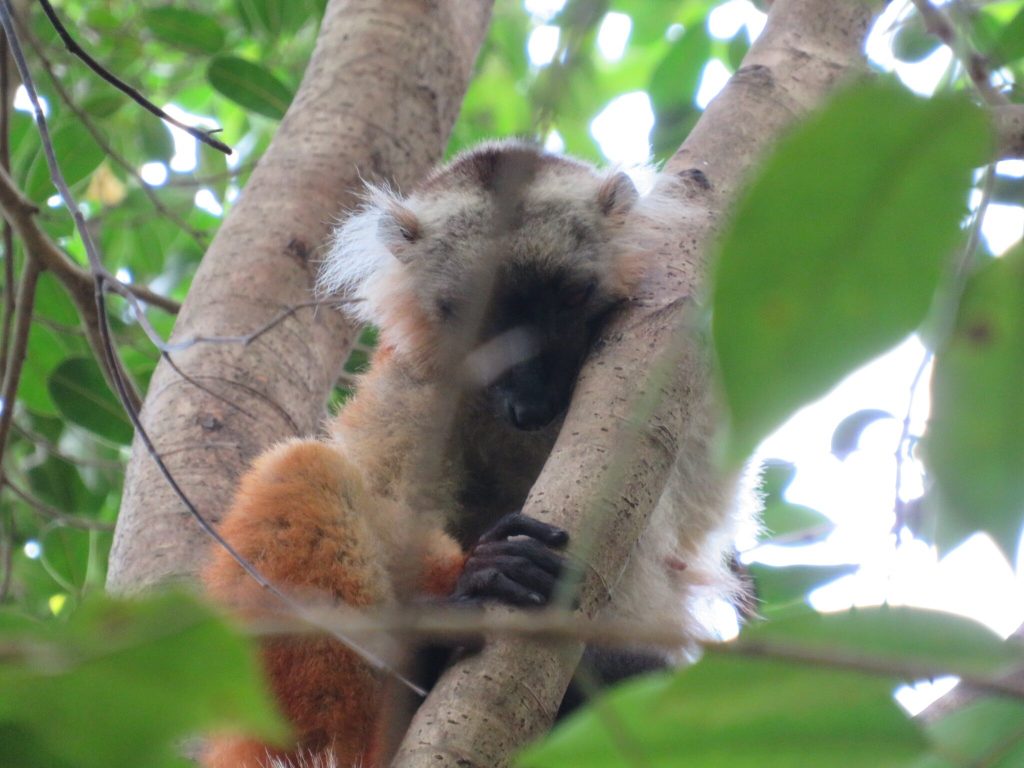
Ranomafana National Park protects the golden bamboo lemur, a primate unknown to science until 1986, along with eleven other lemur species living across steep rainforest ridges in southeastern Madagascar. Walking circuits run from two hours to two full days, and most visitors add a guided night tour along the park boundary. The park covers around 41,600 hectares between 600 and 1,400 metres, forming part of the UNESCO-listed Rainforests of the Atsinanana.
Golden Bamboo Lemur Trekking Safaris in Ranomafana
A golden bamboo lemur trekking safari is the reason this park exists, and the story behind it is worth knowing before you walk in. In 1986 the primatologist Patricia Wright came here looking for the greater bamboo lemur, which had been presumed extinct. She found it. She also found something nobody had ever recorded: a second bamboo-eating lemur with a gold-flecked face, now known as Hapalemur aureus. Loggers moved into the same forest almost immediately, and the campaign that followed produced Madagascar’s fourth national park, inaugurated in May 1991.
Both species are still here and both are critically endangered. Golden bamboo lemurs feed on giant bamboo containing enough cyanide to kill most animals their size, which remains one of the odder puzzles in primate biology. Seeing them takes patience and a guide who knows which bamboo stands the local groups have been working through. The Vohiparara sector holds the best habitat for them.
Sightings are realistic rather than assured. Guides at the park office track group movements daily, and a half-day walk aimed squarely at bamboo lemurs gives you a decent chance. Ask for that focus when you book your guide, because the shorter default circuits are not built around it.
Ranomafana Hiking Circuits and Rainforest Trekking Routes
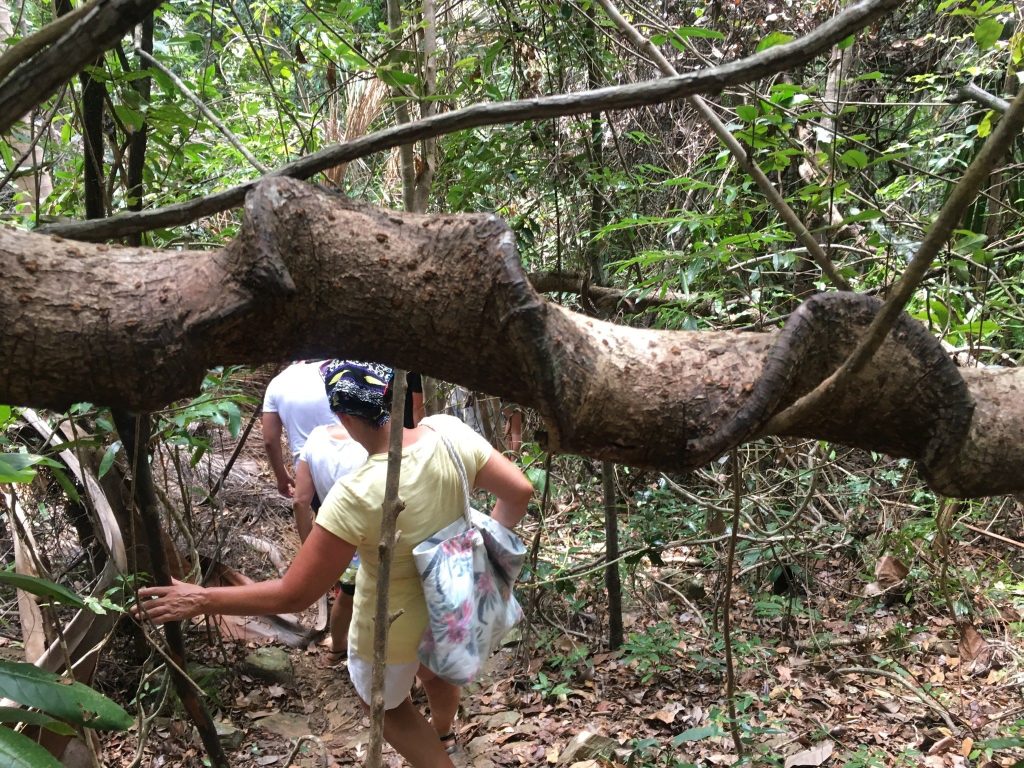
Seven circuits leave from the park office, and choosing well matters more here than at most Malagasy parks. The terrain is genuinely steep. Ranomafana sits on the eastern edge of the high plateau where the land drops away toward the coast, so trails climb and descend constantly on wet clay that holds water for days after rain.
Varibolomena. The short and popular one, roughly 3 km over two to four hours. Passes a waterfall and drops to the Namorona River where you can swim. Good for bamboo lemurs in secondary forest. Can be walked at night. Crowded by mid-morning in high season.
Sahamalaotra. Easy to moderate, up to 10 km, four to six hours. Some primary forest with orchids and palms. Strong for birds and for the painted mantella frogs along wetter sections.
Vohiparara. Moderate, up to 20 km, best split over two days. Crosses the park through primary forest and past a sacred lake. The birders’ route, and the strongest sector for bamboo lemurs.
Varijatsy and Vatoharanana. Hard going, up to 15 km, half a day to two days on rough trail. Primary forest, better odds on Milne-Edwards’ sifaka and black-and-white ruffed lemurs, and very few other walkers. Dry season only.
Start early. The short circuits fill with day visitors coming through on the southern route, and lemurs feed hardest in the first hours of light. Whatever you pick, take boots with real tread rather than trainers.
Lemur Watching Tours and the Twelve Resident Species
Lemur watching tours here work differently from the indri walks further north. There is no single guaranteed headline animal standing still in a tree. What Ranomafana offers instead is variety, and a decent day can turn up four or five species.
Red-fronted brown lemurs and red-bellied lemurs are the common sightings, often at close range. Grey bamboo lemurs turn up regularly. Milne-Edwards’ sifaka, dark-bodied with pale patches, moves through the canopy in family groups and is the animal most photographers come away happiest about. Black-and-white ruffed lemurs are loud and rarely let you get close.
The rarities need luck. Greater bamboo lemurs and golden bamboo lemurs are both scarce. Aye-ayes exist in the park but sightings are exceptional, and any operator promising one is overselling. Fossa and spotted fanaloka are recorded, rarely seen.

Three bamboo lemur species share this forest, feeding on different parts of the same plant. Nowhere else in Madagascar packs that combination into one park.
Night Walk Tours Along the Park Periphery
Night walk tours at Ranomafana take place outside the park boundary, usually along the RN25 forest strip near the entrance or in patches close to the village. Madagascar National Parks closes its gates in the afternoon, so nobody walks the official circuits after dark. The peripheral forest is continuous with the park, and the species list barely differs.
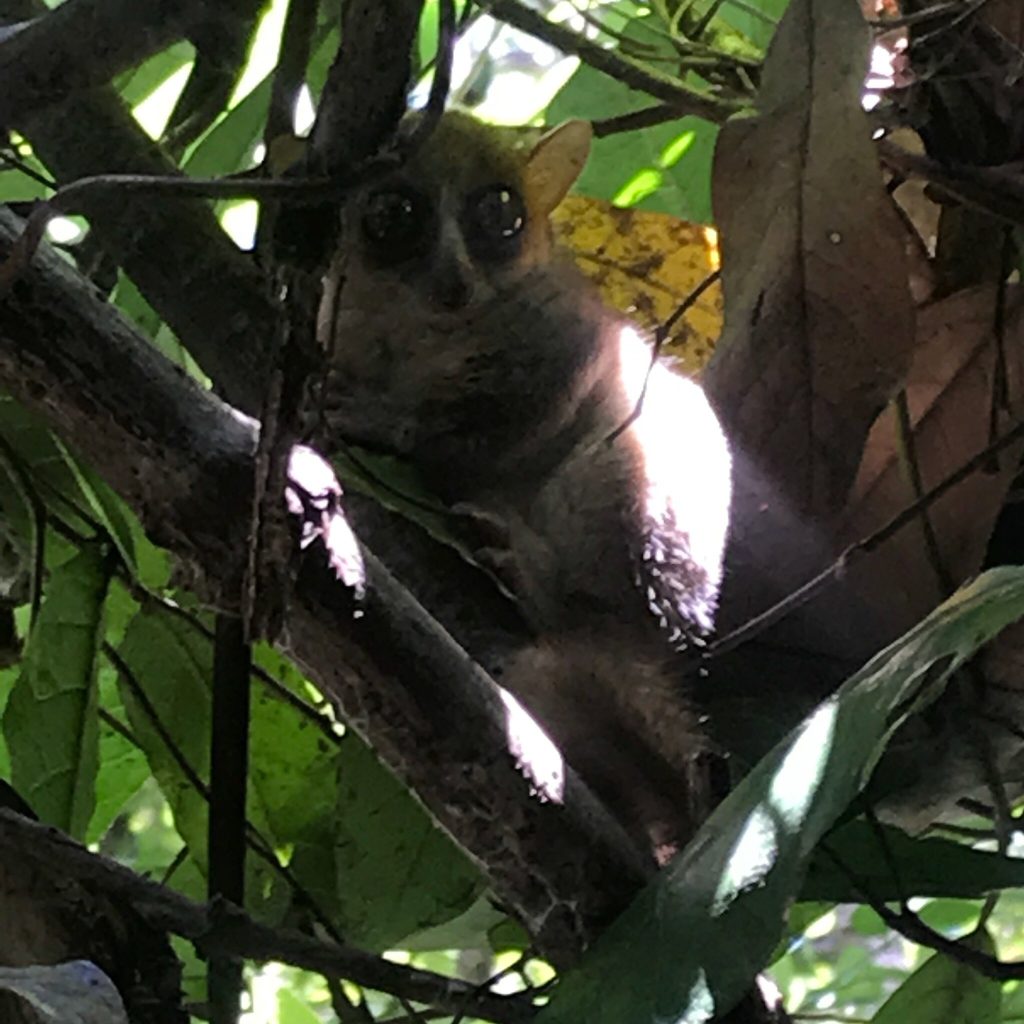
Brown mouse lemurs are the usual reward, tiny and quick in a torch beam. Peyrieras’s woolly lemur, small-toothed sportive lemur and greater dwarf lemur all turn up. Guides occasionally locate a spotted fanaloka, one of the island’s few carnivores, which is a genuine event.
Reptiles and amphibians are the other half of the appeal. Chameleons sleep on exposed twigs where a torch picks them out easily, and the frog chorus in the wetter months is loud enough to make conversation difficult. September through May is the productive window.
Night walks along the roadside get busy in high season, with several groups working the same stretch of verge. Ask your lodge to arrange a start either before or after the main rush, and bring your own torch rather than relying on the guide’s.
Birding Safaris for Ground-Rollers and Forest Endemics
Birding safaris at Ranomafana are among the best in Madagascar, with 118 species recorded and around 30 of them restricted to this region. Serious birders build two or three days into their itinerary here rather than passing through.
The targets are the ground-rollers: rufous-headed, pitta-like and short-legged, all of them skulking birds that take early starts and quiet feet. Brown mesite is another prize. Velvet asity, yellow-browed oxylabes, Crossley’s babbler, Henst’s goshawk, blue vanga and the Madagascar crested ibis fill out a strong list, and the marshy ground around Vohiparara holds the slender-billed flufftail, which many birders miss entirely.
Book a bird specialist rather than accepting the next guide in the queue. The general guides are strong on lemurs and reptiles. Ground-rollers are located almost entirely by call, and the gap between a guide who knows those calls and one who does not is the whole trip.

Chameleon, Frog and Leaf-Tailed Gecko Spotting Tours
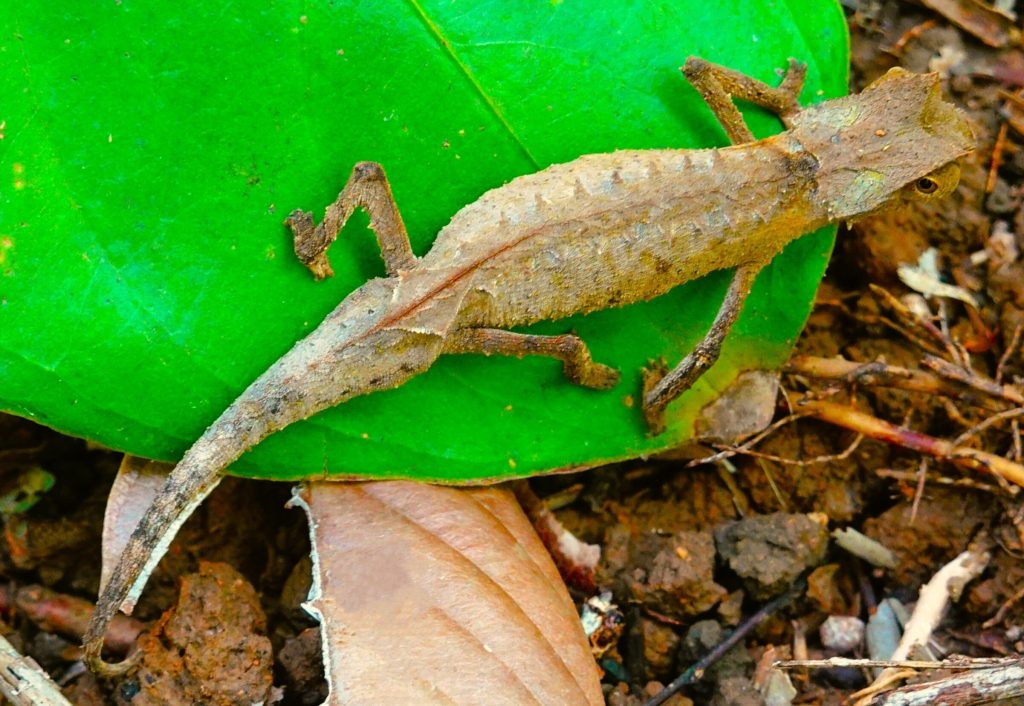
Reptile and amphibian spotting tours deserve more attention than they usually get here. The park holds 112 frog species, 22 lizards and 22 snakes, none of the snakes dangerous to people.
Parson’s chameleon is the large one, slow and heavy on a branch. The satanic leaf-tailed gecko is the one that stops people mid-trail once a guide finally points it out, since it looks exactly like a curled dead leaf and stays that way even under a torch. Painted mantella frogs, small and marked in black and orange, are easiest along the damper stretches of the Sahamalaotra circuit. Giraffe-necked weevils turn up on leaves at eye level.
Wet months are far better for amphibians. From November into March the forest floor is alive with frogs, and night walking becomes as productive as anything you do by day.
Centre ValBio Tours and the Research Behind the Park
Tours of Centre ValBio sit a few minutes from the park entrance and are worth an afternoon. The research station was built by Patricia Wright and Stony Brook University, and it has become the leading field facility of its kind in Madagascar, with hundreds of researchers and students passing through each year and more than 400 scientific papers produced from work done here.
Visitors can tour the campus, and evening lectures by resident researchers are open to the public if you reserve ahead. Topics run from lemur behaviour to village health programmes and reforestation, and they are pitched for general audiences rather than academics. The centre works with dozens of surrounding villages, which is a large part of why the forest is still standing.
Worth managing expectations: the station is a working facility, not a museum. Quiet periods between research seasons mean some tours cover empty laboratories. Ask when you book whether researchers are in residence.
Thermal Springs and Namorona River Trips in Ranomafana Village
The park takes its name from the hot springs in the valley below. Rano means water, mafana means hot. A local man found the springs roughly a century ago, the French built a spa around them, and the town grew from there.
The thermal pool in the village is basic rather than smart, and after a long muddy circuit that hardly matters. Kayaking trips run on the Namorona River, the same river that cuts through the park and falls away eastward toward the coast. Both make sensible use of an afternoon when your legs have had enough of the hills.
Getting to Ranomafana National Park from Fianarantsoa and Antananarivo
Ranomafana lies about 65 km from Fianarantsoa on the RN25. That road is sealed but narrow, steep and full of blind corners, so allow around ninety minutes to two hours each way rather than judging by distance. The park entrance sits on the RN25 itself, with the village a few kilometres further down the valley.
Coming from Antananarivo, you are looking at roughly 400 km and seven to ten hours by road through Antsirabe and Ambositra. Almost nobody does it in one push. The standard pattern is to break the drive overnight in the highlands, and Ranomafana then slots naturally into the southern circuit between Fianarantsoa and Isalo.
Setam Lodge is the closest accommodation to the gates, built into a hillside above the Namorona with half board included. Hotel Thermal and Centrest sit in the village near the springs. Rooms across the whole area go early between September and November, so book well ahead if you are travelling then.
Best Time for a Ranomafana Safari
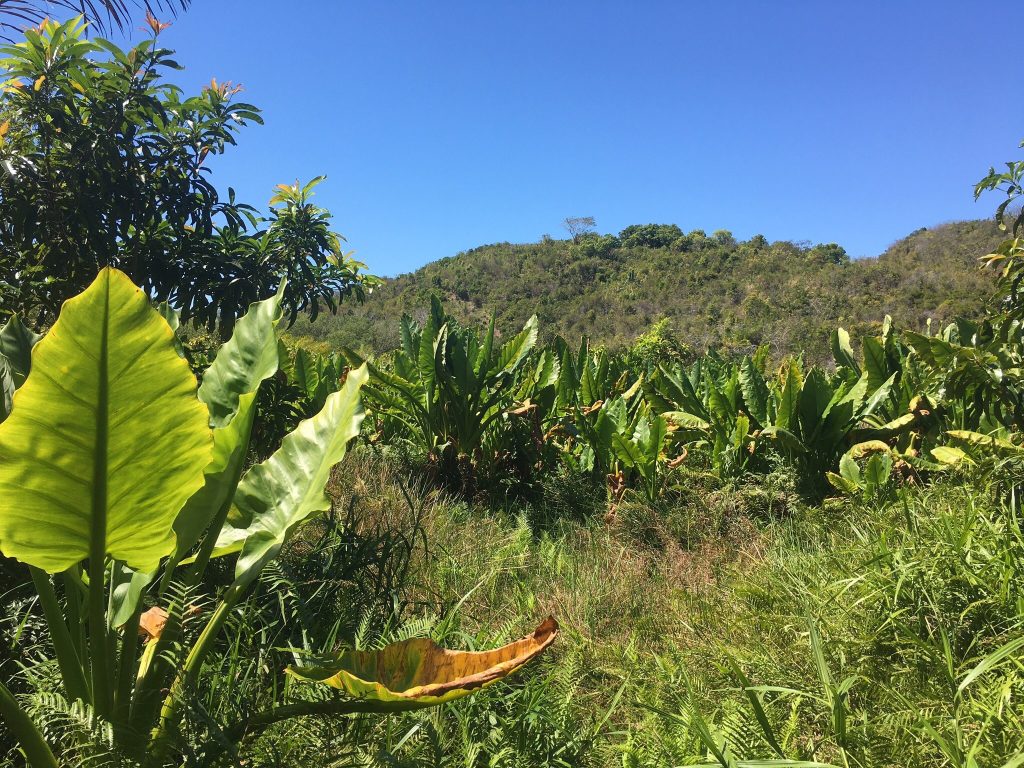
This is one of the wettest parks in Madagascar. Annual rainfall ranges from around 1,600 mm to over 4,000 mm depending on where you measure, with humidity often sitting between 90 and 97 percent. Rain is possible on any day of the year, and planning around that is more useful than hoping to avoid it.
April and May. Rains easing, forest at its greenest, few visitors. Trails are still slick but walkable. Good value and quiet, with reptiles and frogs still active.
June to August. Driest stretch, with August the driest month. Cool by day and genuinely cold at night, sometimes down toward 14 degrees. The best window for the long Varijatsy and Vatoharanana circuits. Chameleons are harder to find.
September to November. Busiest, and for most visitors the strongest overall. Infant lemurs appear, birds are calling and breeding, orchids flower. Lodges fill months ahead and the short circuits get crowded.
December to March. Wettest and warmest, with January peaking around 430 mm. Trails turn to deep mud and the longer circuits are often impractical. Frogs and reptiles are at their best, and night walks are excellent. Cyclones can affect access.
Pack for wet weather regardless of month. Waterproof jacket, boots with grip, and a dry bag for a camera are the difference between a good day and a miserable one.
Frequently Asked Questions
How much does it cost to visit Ranomafana National Park?
Park entry currently sits at 45,000 Ariary per adult per day, with children under twelve at 25,000 Ariary. Guide fees are separate and set by circuit, running roughly 15,000 to 30,000 Ariary per group for the shorter routes and more for full-day or multi-day treks. Night walks along the periphery are charged separately, commonly around 40,000 Ariary per group. Everything is paid in cash in Ariary at the park office, since cards are not accepted and there is no advance online booking.
What should I budget for a two-night stay?
Accommodation is the larger cost. Simple guesthouses in Ranomafana village start around 25 to 40 US dollars a night. The comfortable lodges near the entrance run roughly 70 to 120 dollars with half board, which is compulsory at some of them. Add park fees and guides for two days, meals, and tips for guides, which are customary and not built into the posted rates. Private transport from Antananarivo or Fianarantsoa is a separate and much larger line item.
How likely am I to see a golden bamboo lemur?
Less likely than the headline suggests, and honest operators will say so. The species is critically endangered and localised, with the Vohiparara sector holding the best habitat. Guides track group movements, so a half-day walk aimed at bamboo lemurs gives you a fair chance rather than a certainty. Ask for that focus when booking. Greater bamboo lemurs are scarcer still.
Can I walk the circuits without a guide?
No. A certified guide is compulsory throughout the park. Beyond the rule, the trails are steep, muddy and easy to lose, and the wildlife here is far harder to spot than in drier parks. Going guided is not a formality at Ranomafana.
How many days do I need?
Two nights suits most visitors, giving you one full-day circuit, a night walk and either a second walk or an afternoon at the springs and Centre ValBio. One night means the short Varibolomena loop and little else. Birders and photographers routinely stay three or four nights, and the long primary-forest circuits need that kind of time.
Is Ranomafana suitable for children or less mobile visitors?
The terrain is steeper and muddier than most Malagasy parks, which is worth knowing in advance. Varibolomena is manageable for reasonably fit children, though it involves real climbing and slippery sections. The longer circuits are not suitable for young children. Some lodges are built across hillsides with many stone steps, so ask about layout when booking if mobility is a concern.
How does Ranomafana compare with Andasibe?
Andasibe is easier walking with a near-certain indri sighting. Ranomafana is harder going, wetter and steeper, with more lemur species and much stronger birding. Most southern itineraries include Ranomafana as a matter of course, and many visitors do both since they sit on different routes out of the capital.
Planning Your Visit
The single decision that shapes a Ranomafana visit is which circuit you walk and which guide you walk it with. Turning up at the gate and taking whatever is offered gets you a pleasant forest stroll. Asking for a bird specialist, or for a guide working the bamboo lemur groups, gets you something else entirely.
Booking Your Madagascar Trip
The safari companies and tour operators listed on this website put trips like this together for a living and know which camps, guides and routes actually deliver. We are an independent guide to Madagascar; we do not book or sell tours ourselves.
When you are ready, arrange your safari, tour or holiday with one of the recognised operators listed here. Tell them your dates and what matters most, and a real person, not a form, will handle the itinerary, park bookings and logistics for you.