Madagascar Photography Guide
Photographing Madagascar means dealing with dark rainforest, animals forty metres up and light that lasts an hour. The subjects that reward most are lemurs at close range in the southern parks, chameleons on night walks, and the Avenue of the Baobabs at sunrise. Timing matters more than equipment almost everywhere, and the difference between a dawn start and a mid-morning one is the whole trip.
The Light Problem in Rainforest
Eastern rainforest at Andasibe, Ranomafana, Masoala and Marojejy is dark. Canopy at thirty to fifty metres, dense understorey and frequent cloud combine to make handheld photography genuinely difficult.
Indri sit high, often silhouetted against bright sky, which is the hardest lighting a wildlife photographer faces. Exposing for the animal blows the background; exposing for the sky loses the animal entirely.
The practical responses are a fast lens, a willingness to push ISO further than feels comfortable, and accepting that some sightings will not produce usable frames. Guides will position a group where the light is least hostile if asked, which is worth doing.
Dry forest is the opposite. Ankarafantsika, Kirindy and Zombitse have open canopy at around fourteen metres with light reaching the floor, which makes them far easier for photography than the eastern parks though they hold fewer species.
Ankarafantsika and Kirindy will give you better lemur photographs than Ranomafana, not because the wildlife is better but because you can see it.
Photographing Lemurs
Species and site determine everything. Some lemurs come to you and some never leave the canopy.
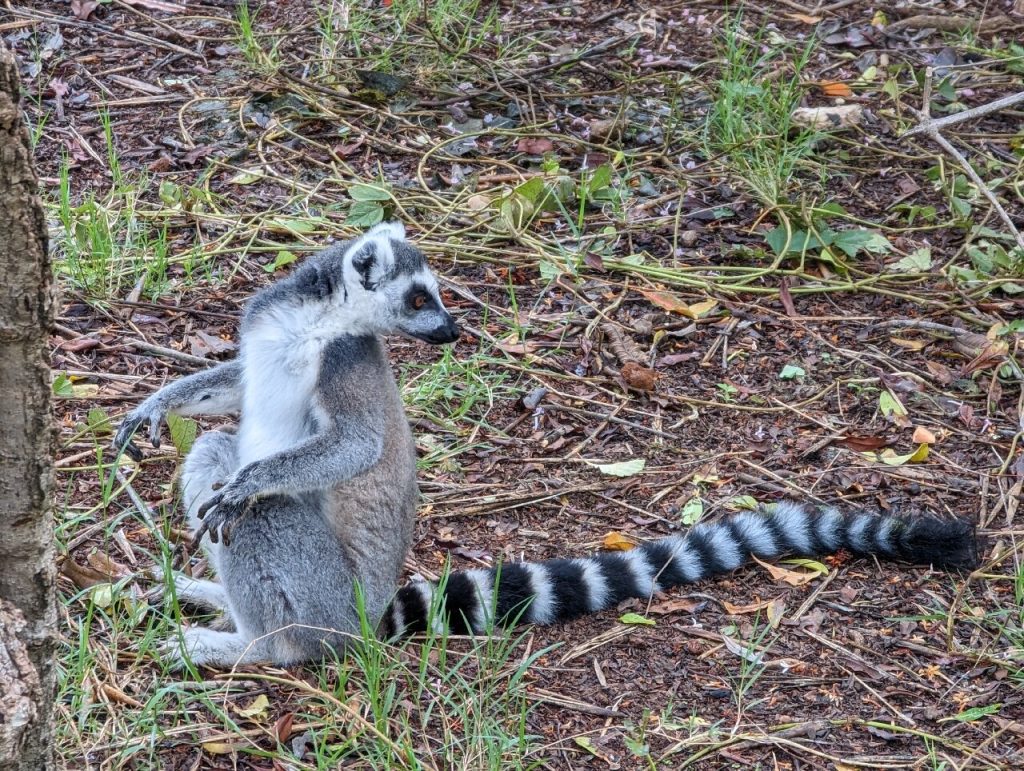
Ring-tailed lemurs are the easiest subject in Madagascar. At Anja they sun themselves on boulders in early morning with arms spread, at Berenty they sit on bungalow verandas, and at Isalo they walk alongside hikers in the canyons. All three give close range in reasonable light.
Verreaux’s sifaka crossing open ground is the shot most people want, and it happens reliably at Berenty where the forest is broken enough to force regular crossings. Burst mode and a shutter speed above 1/1000 are the requirements.
Coquerel’s sifaka at Ankarafantsika is relaxed around visitors and photographs well in open dry forest. Indri at Andasibe are the hardest, being high, dark and against sky.
September to November brings infants, clinging to mothers and later riding on their backs, which is when most photographers travel.
Night Walks and Chameleon Photography
Night walks produce some of the best photography in Madagascar and work differently from daytime shooting.
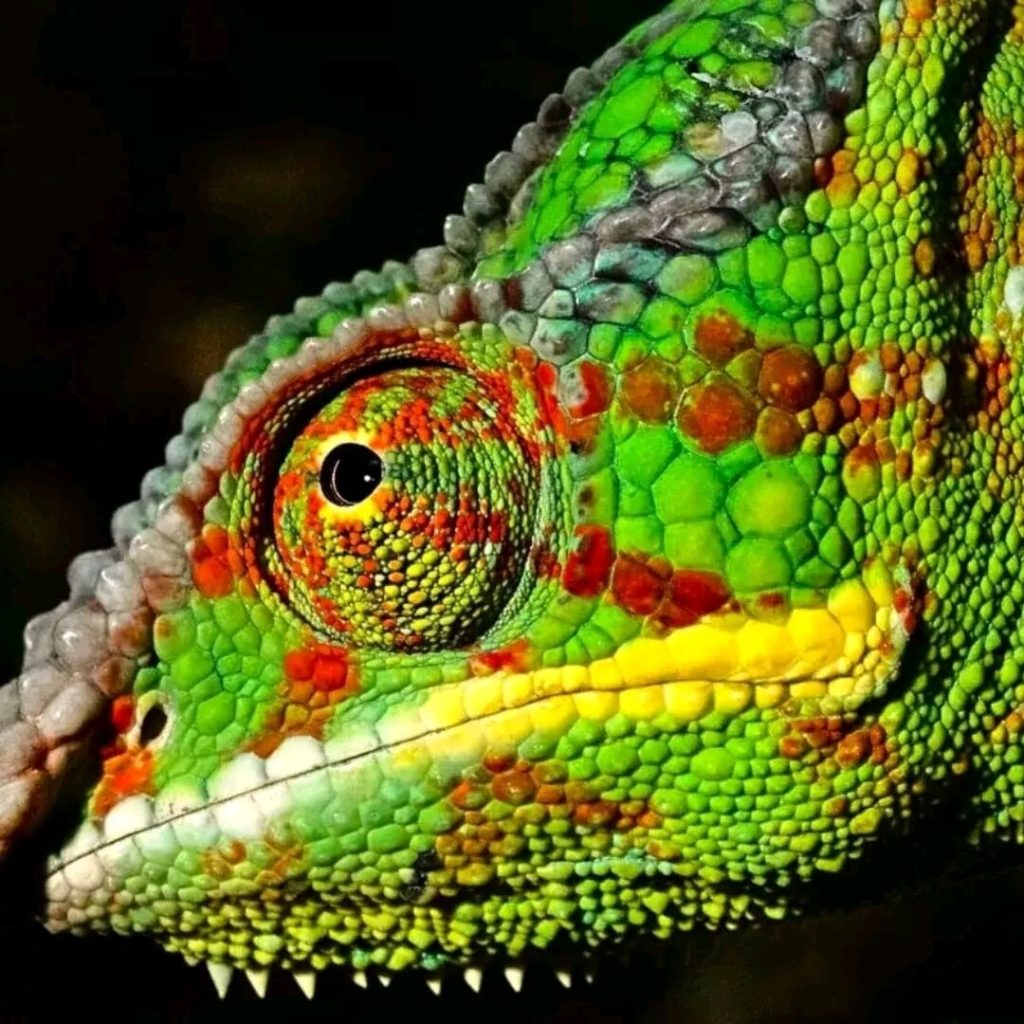
Chameleons pale considerably when asleep and sit exposed on the ends of twigs, often at eye level, which makes them far easier to photograph than by day. Leaf-tailed geckos, tree frogs and mouse lemurs fill out the list.
Flash is the difficulty. It works and it stresses animals, particularly the nocturnal lemurs whose eyes are adapted to very low light. Use it sparingly, never repeatedly on one animal, and follow guide instructions. Some operations prohibit flash around nocturnal lemurs entirely.
A red-filtered torch disturbs animals less than white light and gives you something to focus by. Bring a headlamp with spare batteries regardless, since there is no mains power at most park camps.
Scenery and the Avenue of the Baobabs
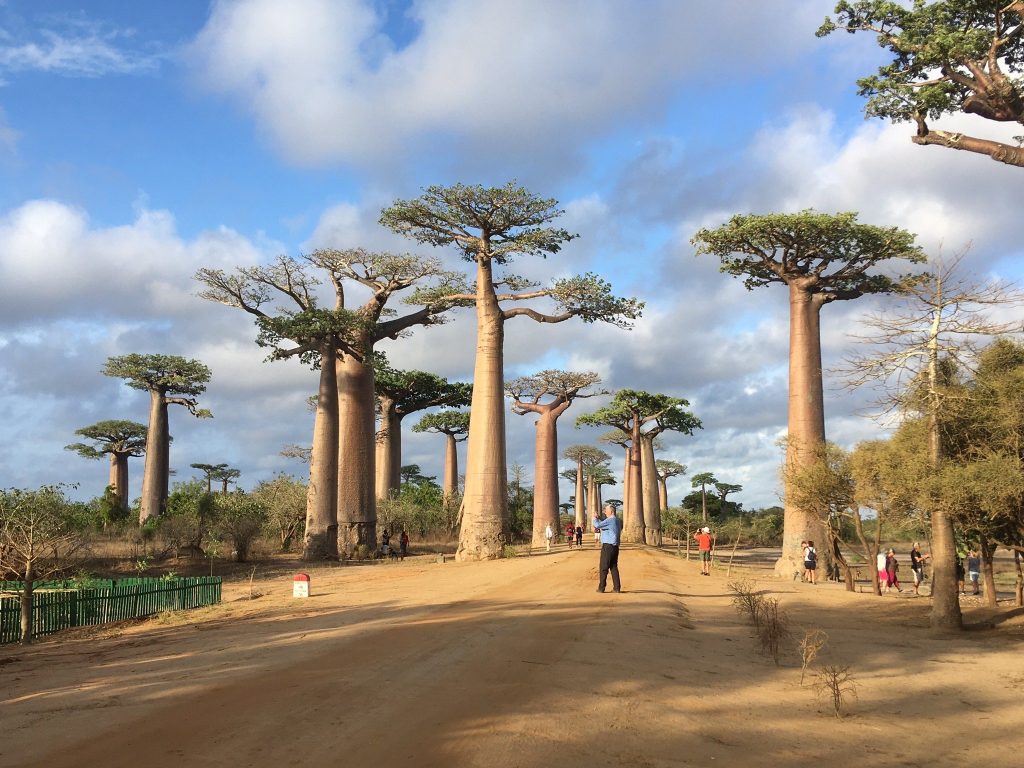
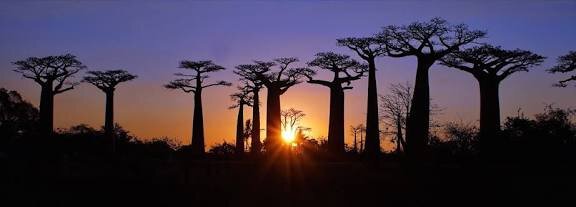
The Avenue of the Baobabs is Madagascar’s defining photograph and it works for about an hour twice a day.
An hour before sunset the trunks turn copper, then the trees drop into silhouette against colour. Sunrise works equally well and draws a fraction of the people. In July that means around five in the morning and five in the afternoon, shifting through the year.
Midday flattens the trees completely, which is why travellers who stop on a driving day come away disappointed. The site never closes, so photographers routinely stay past dark for the night sky.
Zebu carts and villagers walking the road give scale that the trees alone do not. Walking into the surrounding fields, where more baobabs stand, gets you away from the vehicles lining the road at dusk.
The Red Tsingy near Diego Suarez follows the same rule, needing early morning or late afternoon for the colour to hold. Isalo at the Fenêtre and across the massif runs through orange and red in the last hour.
Easiest wildlife photography. Anja, Berenty, Isalo for ring-tailed lemurs and sifaka at close range in open light. Ankarafantsika and Kirindy for dry forest where the canopy lets light through.
Hardest wildlife photography. Andasibe, Ranomafana, Masoala, Marojejy. Dark rainforest, animals high in canopy, frequent rain. Rewarding species and difficult conditions. Fast glass and high ISO.
Scenery. Avenue of the Baobabs at dawn or dusk, Red Tsingy in low light, Isalo canyons and the Fenêtre at sunset, Tsingy de Bemaraha from the pinnacle tops, Emerald Sea from the boat.
Equipment for Madagascar
Protection matters more than range. Humidity in the eastern rainforest sits between 90 and 97 percent, and dry bags or waterproof pouches for camera bodies are more useful than an extra lens. Silica gel packets in the bag are worth the space.
A telephoto in the 100 to 400 range covers most lemur work. Anything longer becomes difficult to handhold in low light and awkward on narrow trails. A fast prime helps in rainforest where zooms run out of aperture.
Macro is the underrated choice. Chameleons, leaf-tailed geckos, frogs and the giraffe-necked weevil reward close work, and much of what makes Madagascar unusual is small.
Domestic flights impose lower baggage allowances than international carriers, and the small aircraft to Sambava, Maroantsetra and Morondava are stricter still. Keep bodies and key lenses in hand luggage, since baggage delays on domestic routes can cost you a park.
There is no mains power at most park camps and many lodges run generators for limited hours only. Bring more batteries than you think you need and a power bank, and charge whenever electricity is available rather than when convenient. At Marojejy, Masoala and Zahamena there is no electricity at all and no phone signal either.
Photographing People and Cultural Sites
Ask before photographing people, always. This matters more in Madagascar than the casual habit many travellers bring, and a refused request is the end of it.
Sacred sites carry restrictions that vary under fady, the system of local taboos. Some prohibit photography entirely, some permit it in certain areas, and guides brief visitors before setting out. Bara tomb sites near Isalo, the Sakalava royal tombs near Morondava, Vazimba burial sites in the Manambolo gorge and several crater lakes at Mont Passot all carry rules.
Markets are the exception where a wide shot of the scene is usually acceptable while individual portraits are not without asking. Analakely in Antananarivo, Bazary Be in Toamasina and the zebu market at Ambalavao are all worth photographing with that distinction in mind.
Paying for portraits is a live question. Some photographers do, some feel it distorts the interaction. What matters is that the person agreed before the shutter fired.
Best Time for Photography
September to November is the strongest window for wildlife photography, and the reasons are compounding rather than singular.
Infant lemurs appear from around September. Reptiles become active again after the cool months. Birds are breeding and calling, orchids flower, and the weather is settled without heavy rain. Visitor numbers sit below the July to August peak.
July and August give the clearest skies and the best summit views for scenic work, at the cost of cold nights in the highlands and sluggish reptiles. April to June is green after the rains with few other visitors.
December to March produces the most active reptiles and amphibians and the loudest night walks, and the worst conditions for keeping equipment dry.
Frequently Asked Questions
What lens should I bring for Madagascar?
A telephoto in the 100 to 400 range covers most lemur work without becoming unwieldy on narrow trails. Add a fast prime for rainforest where zooms run out of aperture, and a macro if chameleons, geckos and frogs interest you, since much of what makes Madagascar unusual is small. Protection from humidity matters more than reach.
Where is the easiest wildlife photography?
Anja, Berenty and Isalo for ring-tailed lemurs and sifaka at close range in open light. Ankarafantsika and Kirindy for dry forest, where a canopy of around fourteen metres lets light reach the floor. These sites produce better images than the eastern rainforest parks though they hold fewer species.
Can I use flash on night walks?
Sparingly and never repeatedly on one animal. Flash stresses nocturnal species whose eyes are adapted to very low light, and some operations prohibit it around nocturnal lemurs entirely. Follow guide instructions. A red-filtered torch disturbs animals less and gives you something to focus by.
When should I photograph the Avenue of the Baobabs?
An hour before sunset or before dawn, and nothing else works. Under midday sun the trees flatten out completely. Sunrise draws far fewer people than sunset. The site never closes and has no entry fee, so photographers routinely stay past dark for the night sky, which is exceptional there.
What is the best time of year?
September to November for wildlife, with infant lemurs, active reptiles, breeding birds and settled weather. July and August for scenic work, with the clearest skies and best summit views. December to March for reptiles and amphibians at their most active, and the hardest conditions for protecting equipment.
How do I protect gear from humidity?
Dry bags or waterproof pouches for bodies and lenses, silica gel packets in the bag, and letting equipment acclimatise rather than moving straight from air conditioning into humid forest. Eastern rainforest sits between 90 and 97 percent humidity and rains on roughly 210 days a year, so this is a constant rather than an occasional problem.
Can I photograph people?
Ask first, always, and accept a refusal. Sacred sites carry restrictions under fady that vary from place to place, with some prohibiting photography entirely, and guides brief visitors before setting out. At markets a wide scene shot is usually fine where an individual portrait is not without permission.
Will I be able to charge batteries?
Not reliably. Many lodges run generators for limited hours rather than mains power, and at Marojejy, Masoala and Zahamena there is no electricity at all. Bring more batteries than you expect to need plus a power bank, and charge whenever power is available rather than waiting for a convenient moment.
Planning Your Trip
Photography in Madagascar rewards two things above equipment: being at the right site for the species you want, and being there at dawn. Ring-tailed lemurs at Anja in early light will outperform an indri at Andasibe at ten in the morning, whatever you are shooting with.
Booking Your Madagascar Trip
The safari companies and tour operators listed on this website put trips like this together for a living and know which camps, guides and routes actually deliver. We are an independent guide to Madagascar; we do not book or sell tours ourselves.
When you are ready, arrange your safari, tour or holiday with one of the recognised operators listed here. Tell them your dates and what matters most, and a real person, not a form, will handle the itinerary, park bookings and logistics for you.