Car Hire and Self Drive in Madagascar

Most rental agencies in Madagascar supply vehicles with a driver as standard, and hiring without one requires asking. Self-drive is legal and possible, particularly on the sealed RN7, but road conditions, navigation difficulty, frequent checkpoints and limited breakdown assistance make a local driver good value rather than an indulgence. Four-wheel drive is required for the west and most remote parks.
Why Most Visitors Hire a Driver
The convention here differs from most countries and the reasoning is practical rather than bureaucratic.
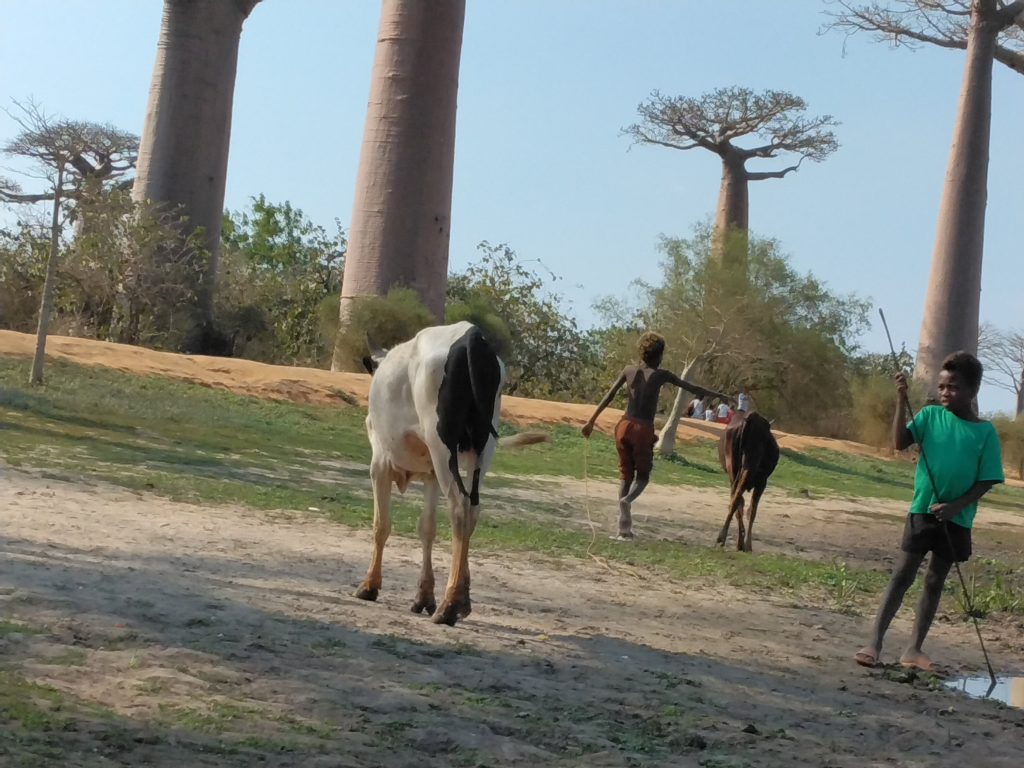
Roads are demanding. Sealed surfaces on the RN7 and RN2 are narrow and winding with trucks, livestock and pedestrians sharing them. Beyond the sealed network, tracks are deeply rutted with water crossings, and average speeds fall to walking pace in places.
Navigation is genuinely difficult. Signage is sparse and rarely in English, junctions are unmarked, and phone coverage disappears entirely at the remote parks where you would most want a map.
A local driver knows which sections are washed out, whether the river ferries are running, where to refuel and how to handle police checkpoints. On a trip where those variables change weekly, that knowledge is worth more than the daily rate.
Rental agencies here quote vehicles with drivers by default. That is not an upsell; it is how the country works.
How Vehicle Hire Is Priced
Hire is charged per day rather than per kilometre, and the rate applies whether you drive eight hours or sit at a park all day. Fuel is usually a separate cost on top.
Four-wheel drive costs noticeably more than a standard car. On the sealed RN7 a standard vehicle is often adequate, and booking a four-wheel drive for a route that does not need one is a common way to overspend.
The driver’s costs are typically included in the daily rate, though arrangements for their accommodation and meals vary between operators and should be clarified before departure. Tipping the driver at the end of a multi-day trip is customary and not built into the quote.
Vehicle hire is the dominant expense on most Madagascar itineraries. One documented four-week trip for two recorded roughly £3,454 on the car against £675 on accommodation across the same period.
When You Need Four-Wheel Drive
Standard vehicle is enough. The RN7 from Antananarivo to Toliara, the RN2 east to Andasibe and Toamasina, the RN4 to Mahajanga and Ankarafantsika, the RN6 north to Ankarana and Diego Suarez. All sealed, all manageable in a normal car.
Four-wheel drive required. The RN8 north from Morondava to Kirindy and Tsingy de Bemaraha, the outer parcels of Andohahela, the Anjohibe caves, Kirindy Mite at Belo sur Mer, the tracks to Andringitra, the final track to the Red Tsingy and anything beyond Soalala.
The distinction matters financially. A traveller doing the RN7 and flying to the coast needs no four-wheel drive at all, and paying for one is money spent on capability that never gets used.
Conversely, attempting the western circuit or the remote northwest in a standard car does not work. The track to Bekopaka includes water crossings and deep ruts that ordinary vehicles cannot clear.
Self-Drive: What It Actually Involves
Travellers do self-drive Madagascar, and those who enjoy it tend to have experience of similar conditions elsewhere.
An international driving permit is needed alongside your national licence. Driving is on the right. Police checkpoints are frequent on main roads, routine rather than a concern, and you will be asked for identification, so carry your passport or a clear copy.
Never drive at night. Unlit roads, unmarked hazards, pedestrians and livestock, and the risk of breakdown in remote areas combine badly. Standard operator practice is to be off the road by dark and it is worth following.
Fuel stations are frequent on the RN7, RN2 and around the cities, and thin out considerably beyond them. On the western route and the tracks toward Soalala or Zahamena, fill up wherever possible rather than when the gauge demands it.
Breakdown assistance is limited to nonexistent outside the main corridors, and phone coverage disappears at the remote parks. Self-drivers should carry water, basic tools and a realistic sense of how far help would be.
Two river ferries break the route north from Morondava to Tsingy de Bemaraha. One departs when enough vehicles have gathered rather than to any schedule, and the Manambolo crossing at Bekopaka runs only until early evening. Missing it means a night on the wrong side of the water. Self-drivers should build the ferry timings into the day rather than treating them as incidental.
Road Conditions by Route
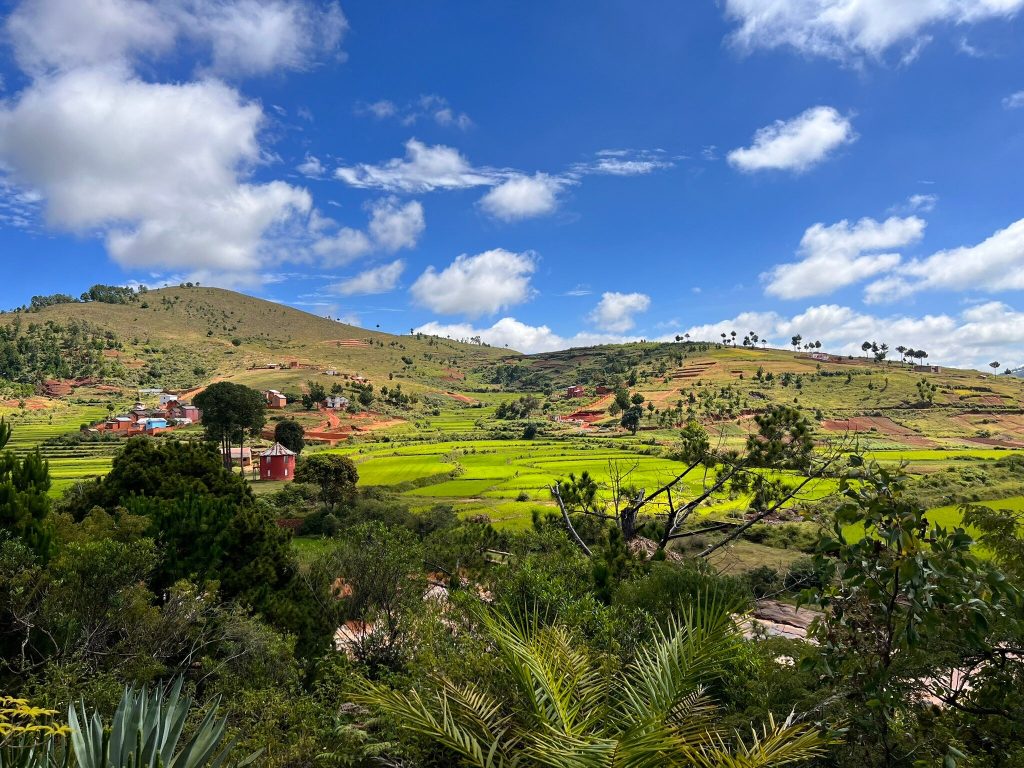
The RN7 from Antananarivo to Toliara is sealed the whole way and the best long road in Madagascar. Narrow and winding through the highlands with steady truck traffic. Antananarivo to Antsirabe takes three to four hours for 170 km.
The RN2 east to Andasibe and Toamasina is sealed and in reasonable condition, three to four hours to the park. Recent cyclone seasons have cut it during January to March.
The RN4 to Mahajanga is sealed and passes directly through Ankarafantsika, which makes that park unusually accessible.
The RN6 north from Ambanja to Diego Suarez is sealed but patchy, with Ankarana and the Red Tsingy both directly off it.
The RN8 north from Morondava is the difficult one: unsealed, six to ten hours to Bekopaka, two river ferries, and impassable from roughly December to March. It has also historically seen dahalo activity, and standard advice is to travel with a reputable operator or in convoy.
Checkpoints, Paperwork and Practicalities
Police checkpoints operate on all main roads and are part of normal travel. Carry your passport or a clear photocopy, since identification is requested. Drivers handle these interactions and travellers rarely need to do more than present a document.
Vehicle standards vary enormously between operators, and this is one area where the cheapest option carries genuine risk. A reputable company maintaining its fleet is worth paying for on roads where breakdown means a long wait.
Fuel is paid in cash in Ariary, as is almost everything outside the larger hotels. Draw money in the towns with banks before heading toward remote areas, since ATMs are absent at Bekopaka, Soalala and Manantenina.
Insurance arrangements differ between agencies and should be confirmed in writing before departure, particularly for four-wheel drive hire on unsealed routes.
Booking a Vehicle and What to Check
Book through an operator or a rental agency with a physical presence rather than an intermediary, and get the terms in writing before paying a deposit.
The points worth confirming are what the daily rate covers, whether fuel is included or extra, how the driver’s accommodation and meals are handled on multi-day trips, and what the insurance covers on unsealed routes. Agencies differ on all four.
Ask about the vehicle’s age and condition, and about what happens if it breaks down in a remote area. A reputable operator will have an answer; a cheap one often will not, and on the western route that difference matters.
For the RN8 north to Tsingy de Bemaraha in particular, ask whether the driver has run the route recently and knows the current ferry arrangements. Conditions change season to season and a driver who last did it two years ago is working from stale information.
Alternatives to Hiring a Vehicle
Taxi-brousse minibuses connect every town, cost a fraction of private hire and are how most Malagasy people travel. They work well on the RN7, RN2 and RN6 corridors, departing when full rather than to a timetable.
The limitation is reaching park entrances, since Ranomafana sits off the RN25 and Anja needs a hop from Ambalavao. Many independent travellers use public transport between towns and hire a vehicle only for the park legs, which captures most of the saving.
Domestic flights replace driving entirely on the long transfers. A flight to Fort Dauphin, Maroantsetra, Morondava or Toliara saves one to three days of road each way, and for Fort Dauphin official advice recommends flying rather than driving.
Within towns, taxis, pousse-pousse rickshaws and tuk-tuks cover short distances with fares negotiated before departure.
Frequently Asked Questions
Can I hire a car without a driver in Madagascar?
Yes, though most agencies supply vehicles with drivers as standard and hiring without one means asking for it. Self-drive is legal with an international driving permit alongside your national licence. Road conditions, navigation difficulty and limited breakdown assistance mean most visitors conclude the driver is worth the cost.
What does vehicle hire cost?
Charged per day rather than per kilometre, with the rate applying whether you drive or not, and fuel usually separate. Four-wheel drive costs noticeably more than a standard car. A multi-day return run from Morondava to Tsingy de Bemaraha commonly runs 150 euros or more. Vehicle hire is the dominant expense on most Madagascar trips.
Do I need four-wheel drive?
Not for the RN7, RN2, RN4 or RN6, which are all sealed and manageable in a standard car. Yes for the RN8 north from Morondava, the outer parcels of Andohahela, the Anjohibe caves, Kirindy Mite, the tracks to Andringitra and anything beyond Soalala. Booking one for a sealed route is a common way to overspend.
Is driving at night safe?
No. Unlit roads, unmarked hazards, pedestrians, livestock and the risk of breakdown in remote areas make night driving genuinely dangerous. Standard operator practice is to be off the road by dark, which means starting early and accepting that a delay early in the day compounds through it.
How long do the drives actually take?
Longer than the map suggests. Antananarivo to Antsirabe is 170 km and three to four hours. Antsirabe to Ranomafana runs six to eight. Morondava to Tsingy de Bemaraha is 200 to 230 km and six to ten hours with two ferries. Plan by hours rather than kilometres and expect averages around 40 km an hour.
What about police checkpoints?
They are frequent on main roads and entirely routine. Carry your passport or a clear photocopy, since identification is requested. On a hired vehicle the driver handles the interaction. Travellers rarely need to do more than present a document.
Are there fuel stations everywhere?
On the RN7, RN2 and around the cities, yes. Beyond them they thin out considerably. On the western route north from Morondava and the tracks toward Soalala or Zahamena, fill up wherever possible rather than when the gauge demands it. Fuel is cash in Ariary.
Is the road to Tsingy de Bemaraha really that bad?
Yes. Six to ten hours over unsealed track from Morondava with two vehicle ferries, one of which departs when enough vehicles gather rather than to a schedule. It floods from roughly December to March, closing the park in practice, and has historically seen dahalo activity. Travel with a reputable operator or in convoy.
Planning Your Trip
The vehicle decision shapes a Madagascar budget more than any other. Matching the car to the route, rather than booking four-wheel drive by default, and reducing vehicle days through better sequencing both save more than any accommodation choice.
Booking Your Madagascar Trip
The safari companies and tour operators listed on this website put trips like this together for a living and know which camps, guides and routes actually deliver. We are an independent guide to Madagascar; we do not book or sell tours ourselves.
When you are ready, arrange your safari, tour or holiday with one of the recognised operators listed here. Tell them your dates and what matters most, and a real person, not a form, will handle the itinerary, park bookings and logistics for you.