Anja Community Reserve
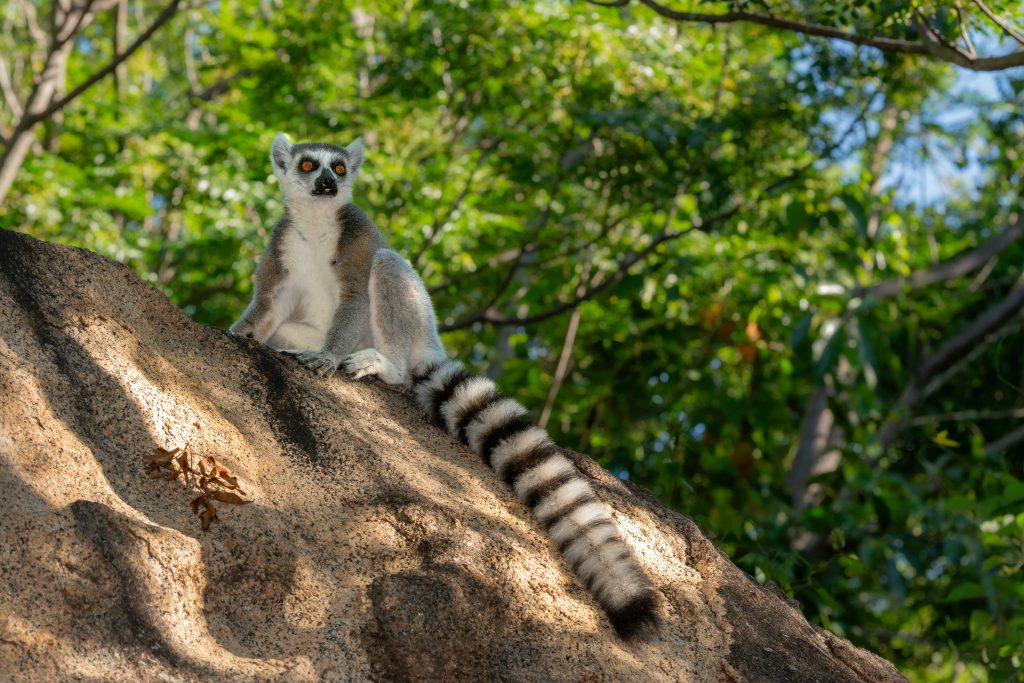
Anja Community Reserve holds the highest concentration of ring-tailed lemurs anywhere in Madagascar, in a patch of forest beneath three granite domes 13 km south of Ambalavao. Visits run from a ninety-minute walk to a longer climb toward the summits, and the reserve is entirely community-owned and run. It sits directly on the RN7, which makes it the easiest wildlife stop on the southern route.

Ring-Tailed Lemur Watching Tours at Anja
Ring-tailed lemur watching tours at Anja are as close to guaranteed as wildlife gets. Population estimates range from around 300 to 800 depending on whether you count the surrounding hills, and the animals are well habituated without being fed.
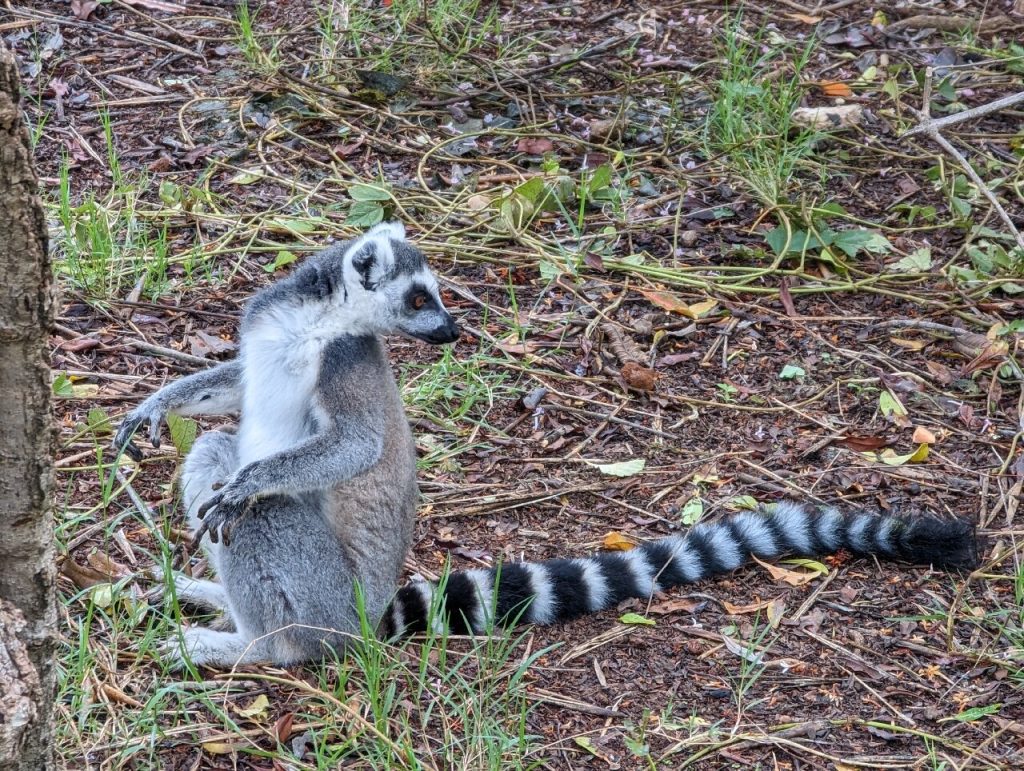
The classic sight is lemurs sunning themselves on the boulders in early morning, sitting upright with arms spread to catch the first warmth. Later they move into the forest to feed and drink at the small reservoir. Watching a troop cross a rock face, leaping sideways one after another, is the thing most visitors photograph.
Touching them is forbidden and feeding no longer happens, having been stopped some years ago. Guides keep groups at a sensible distance even though the lemurs themselves show no concern at all.
Thirty hectares of forest, owned and run by the village, holding the densest ring-tailed lemur population in the country. Anja is the most successful community reserve in Madagascar.
Granite Dome Hiking Tours to the Three Sisters
Hiking tours here climb toward the Telo Mirahavavy, the Three Sisters, a set of granite domes rising above the reserve. The largest, Iandrambaky, stands nearly 500 metres above the surrounding farmland to a summit of 1,434 metres.
The short circuit stays low and concentrates on lemurs, taking around ninety minutes. Longer routes scramble up the rock with rope assistance on the steeper sections, and the reserve offers several circuits graded for different fitness levels.
The three ecosystems stacked here are part of what makes the site photogenic: bare granite at the top, wooded plateau below it, and low-altitude dry forest at the base where the lemurs live. Few places in the highlands compress that much variation into a single short walk.
From the top the view runs across rice paddies, villages and the mountains toward Ambalavao. Caves in the cliffs shelter owls and bats, and some of them serve as traditional Betsileo burial sites, which guides will explain and which carry restrictions.
Chameleon and Reptile Spotting Tours
Reptile spotting tours are the quiet second reason to stop here. Oustalet’s chameleon, among the largest in Madagascar, turns up on the circuits along with the jewel chameleon and the carpet chameleon.
Brookesia brunoi is the one worth asking about, a leaf chameleon barely bigger than a thumbnail that occurs only in this area and spends its life in the leaf litter looking like an outsized ant. Finding one depends entirely on your guide.
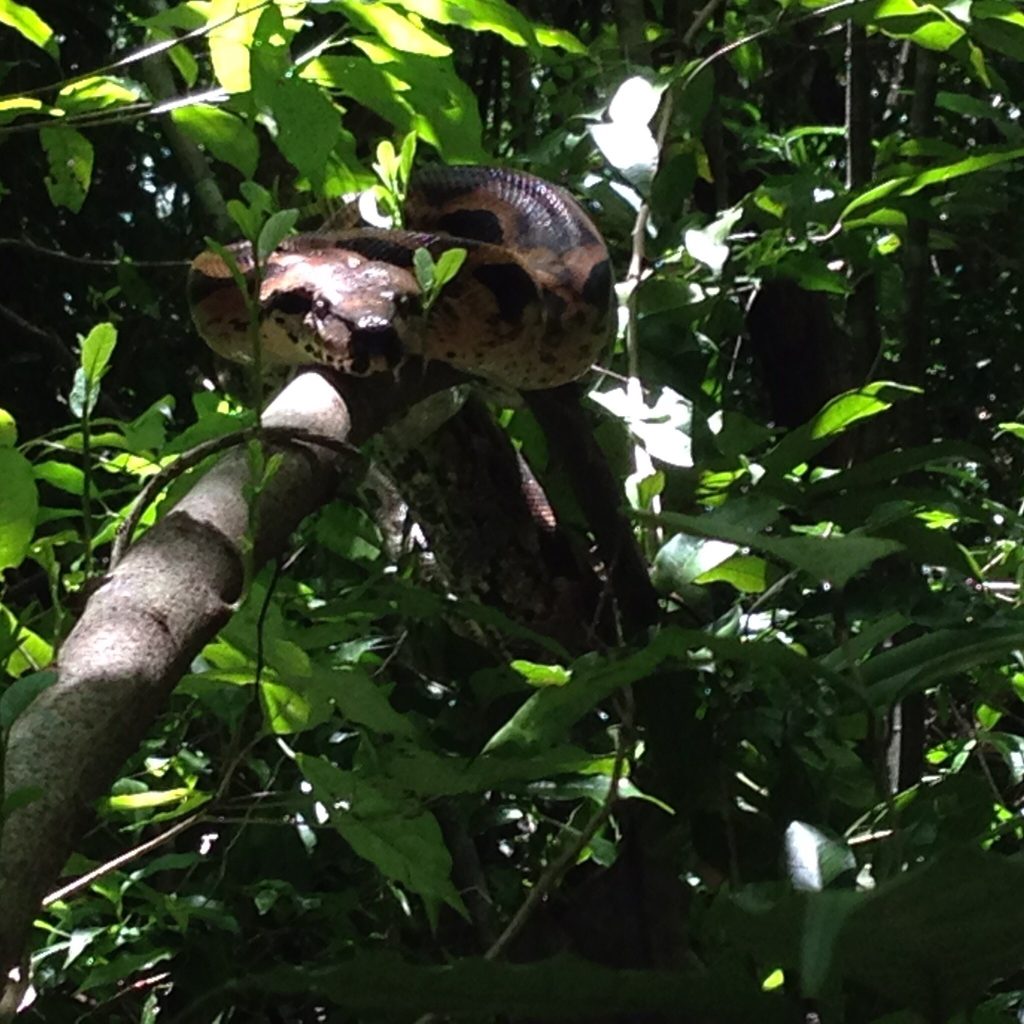
Six snake species live in the reserve, including the Madagascar tree boa, none dangerous to people. Madagascar plated lizards and Barbour’s day geckos work the rocks. The striped tenrec is present and very rarely seen.
Betsileo Cultural Tours and the Traditional Tombs
Cultural tours are built into even the short circuit, which passes two traditional Betsileo tombs. The Betsileo are the people of the central highlands, and their name is usually translated as the many invincible ones.
The area around the Three Sisters served as a refuge for centuries, with wind-carved caves in the granite used as burial grounds. Guides explain the practices attached to them and where visitors may and may not go.
Anja was established in 2001 by the local community through the Anja Miray Association, in response to deforestation that was stripping the area and the ring-tailed lemur population with it. The reserve now generates revenue and employment for the village directly, without an intermediary NGO or state agency taking a share.
Birding Tours in the Reserve and Surrounding Hills
Birding tours are a modest addition rather than a reason to come, though the mix of forest, rock and water supports a reasonable list. Raptors work the thermals above the domes and the cliff caves hold owls.
Because Anja is small and most visits are short, birders mostly treat it as an incidental stop on the RN7 between Ranomafana and Isalo rather than a dedicated destination.
That said, the reservoir at the base of the domes draws birds through the dry months when standing water is scarce across the surrounding farmland, and an hour spent quietly beside it in early morning turns up more than the walking circuits do. Guides will take you there if you ask rather than following the standard lemur route.
Short circuit. Around ninety minutes on level ground through the forest at the base of the domes. Ring-tailed lemurs, chameleons, two Betsileo tombs. What most travellers passing on the RN7 do.
Long circuits. Two to four hours climbing toward the summits with rope-assisted sections. Wider views, fewer people and more time with the lemurs on the rocks. Needs reasonable fitness and a head for scrambling.
How Anja Became a Model for Community Conservation
In the late nineties the forest around these boulders was going the way of most dry forest in the highlands. Clearing for farmland and fuel had reduced it steadily, and the ring-tailed lemurs living in it were disappearing along with the trees. Hunting added to the pressure.
The response came from the village rather than from outside. Local Betsileo families formed the Anja Miray Association and took on management of roughly thirty hectares themselves, without transferring control to a national agency or an international organisation. They trained guides from among their own number, built the circuits, set the fees and kept the revenue.
What followed is the reason the reserve gets cited so often. Lemur numbers recovered to the point where this small patch now holds a higher density than anywhere else in Madagascar. The association funds village projects from visitor income, and guiding provides work that did not exist before. Reforestation has extended the protected area beyond its original boundary.
For visitors the practical consequence is simple. Money paid at the gate stays in the community that protects the forest, with no intermediary. Travellers uneasy about the ethics of some Malagasy wildlife operations can visit Anja without that reservation.
Getting to Anja Community Reserve from Ambalavao
Anja sits about 12 to 13 km south of Ambalavao directly on the RN7, which makes it one of the simplest places to reach in Madagascar. No four-wheel drive, no rough track, no river crossing.
Taxi-brousse services run regularly from Ambalavao and take under an hour for a token fare. Taxis and tuk-tuks are available too. Anyone driving the RN7 between Fianarantsoa and Isalo passes the entrance and can stop for a couple of hours without disrupting the day.
There is no accommodation inside the reserve. Ambalavao has hotels, guesthouses and simpler places to stay, along with the largest zebu market in the country and a well-known paper-making workshop. A hotel sits near the reserve entrance for anyone wanting an early start.
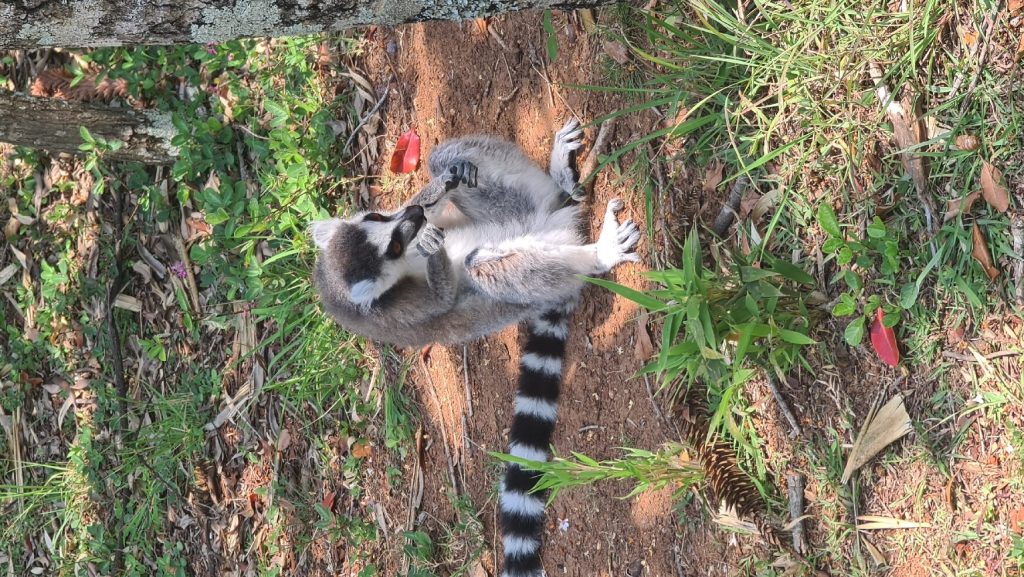
Go at about eight in the morning. Lemurs are most active early, sunning on the rocks before the heat builds, and you will be ahead of the tour buses coming down the RN7. By mid-morning in peak season the short circuit can be busy, and Anja is popular enough that solitude is not part of the offer.
Best Time for an Anja Visit
The reserve is open year-round and the lemurs are present in every month. Time of day matters considerably more than time of year.
April to June. Following the rains the surrounding hills are green and temperatures are comfortable for the longer climbs. Quieter than the peak months.
July to September. Dry, cool and the busiest period on the RN7. Excellent walking conditions and clear views from the summits. Expect company on the short circuit.
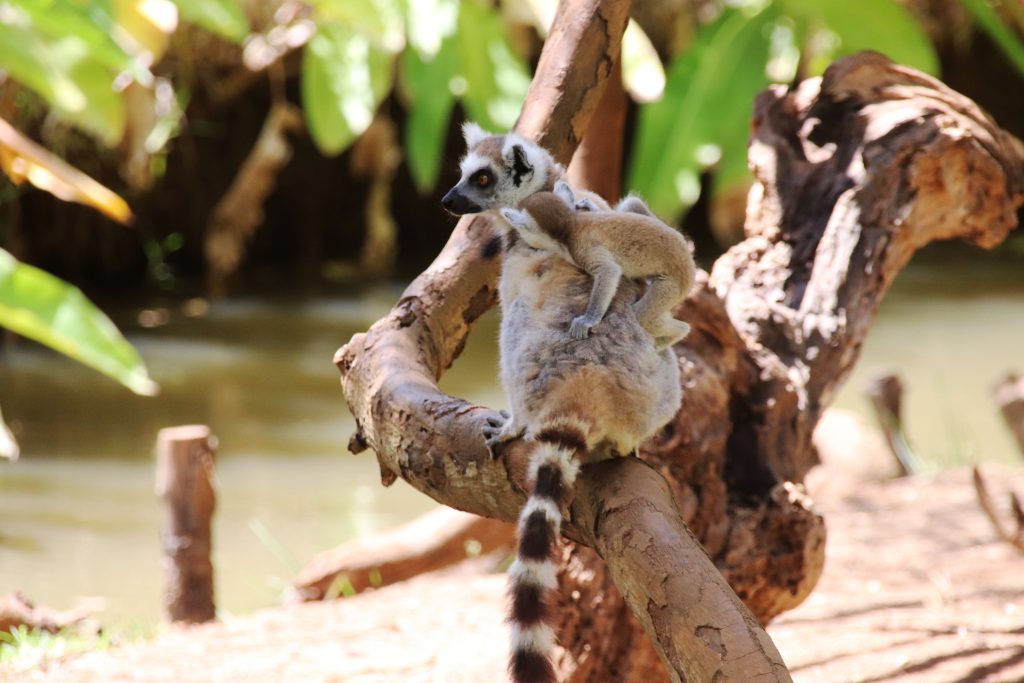
October and November. Infant lemurs appear, which is the strongest reason to time a visit. Warming up, with reptiles more active. Very good for photography.
December to February. Wettest months and the least recommended. Rain interferes with walking and the rock scrambles become slippery. The lemurs are still there, but conditions are poor.
Frequently Asked Questions
How much does it cost to visit Anja Community Reserve?
Anja is community-run rather than a national park, so it sets its own fees, and these have risen as the reserve has grown popular. Entry plus a compulsory guide is paid at the reception on arrival in cash in Ariary, with rates varying by circuit length. Taxi-brousse from Ambalavao costs around 1,000 Ariary each way. Money paid here goes directly to the village association that owns and manages the reserve.
How long does a visit take?
Around ninety minutes for the short circuit, which is what most travellers passing on the RN7 allow. Longer circuits climbing toward the summits run two to four hours. Five circuits are available covering a range of fitness levels.
Will I definitely see ring-tailed lemurs?
Yes, in practice. The population is dense and habituated, and sightings on the short circuit are close to certain. Early morning and late afternoon show the most activity, with animals sunning on the boulders and moving between feeding trees.
Is Anja better than Berenty for ring-tailed lemurs?
They serve different trips. Berenty offers closer, more extreme habituation and a wider species list, but requires a flight to Fort Dauphin and a long transfer. Anja sits on the main road and costs you two hours. For anyone travelling the RN7, Anja delivers most of the experience with none of the logistics, and the community ownership model is stronger.
Is it suitable for children or less mobile visitors?
The short circuit is level and manageable for most people, including children. The longer climbs involve boulder scrambling with ropes and are not suitable for young children or anyone unsteady on rock.
Can I combine it with anything nearby?
Ambalavao itself is worth an hour for the zebu market and the Antaimoro paper workshop. Andringitra National Park is reached from the same town for anyone with several days. Most travellers fit Anja between Ranomafana to the north and Isalo to the south on the RN7 run.
Why does the community management matter?
Because it works. The reserve was created by villagers in 2001 when deforestation was destroying the forest and the lemur population with it. Revenue now funds local employment and conservation directly. Anja is widely cited as the most successful community-run protected area in Madagascar, and visiting supports that model rather than a distant agency.
Planning Your Visit
Anja asks very little of a traveller and returns a great deal. Two hours off the RN7 gets you the densest ring-tailed lemur population in the country, granite scenery, Betsileo burial sites and a conservation project that the people living beside the forest actually own.
Booking Your Madagascar Trip
The safari companies and tour operators listed on this website put trips like this together for a living and know which camps, guides and routes actually deliver. We are an independent guide to Madagascar; we do not book or sell tours ourselves.
When you are ready, arrange your safari, tour or holiday with one of the recognised operators listed here. Tell them your dates and what matters most, and a real person, not a form, will handle the itinerary, park bookings and logistics for you.