Zombitse-Vohibasia National Park
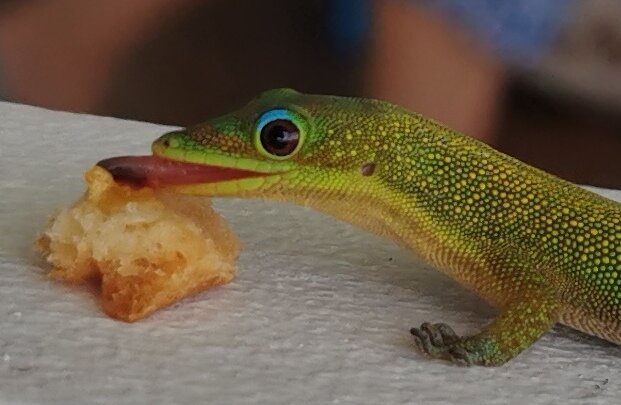
Zombitse-Vohibasia National Park sits directly on the RN7 between Isalo and Toliara and takes an hour or two, which makes it the easiest park visit in Madagascar. It protects transitional forest between the humid east and the spiny south, holding Appert’s tetraka, a bird found in this forest and almost nowhere else, alongside Verreaux’s sifaka and eight lemur species.
Why Zombitse Is Worth Stopping For
Most travellers pass Zombitse without knowing it is there, and it costs almost nothing to stop.
The park entrance is on the RN7 itself with no detour and no rough track, and the short circuits take an hour or two. For anyone driving between Isalo and Toliara, that is a break in a long day rather than an addition to it.
What it protects is genuinely distinct. Transitional forest sits between the humid eastern systems and the spiny thicket of the deep south, holding species from both and several that occur in neither.
The park covers roughly 36,000 hectares across three separate blocks, with Zombitse the accessible one and Vohibasia and Isoky-Vohimena more remote.
It is not a destination in the way Isalo or Ranomafana are. It is the best hour you can spend on the RN7 without stopping the day.
A bird found in this forest and almost nowhere else, on a park circuit that takes an hour, at an entrance on the main road. Zombitse is the easiest wildlife stop in Madagascar.
Birding at Zombitse
Appert’s tetraka is the reason birders stop. Described relatively recently and restricted to this forest and a few neighbouring fragments, it is a bird that many Madagascar bird lists depend on Zombitse to complete.
The wider list runs to over 80 species with a high proportion endemic, and the open transitional forest makes them considerably easier to see than in eastern rainforest.
Coua species turn up regularly, including Coquerel’s and giant coua. Vangas, Madagascar harrier-hawk and the Madagascar sparrowhawk all occur.
Ask for a bird guide at the entrance if the tetraka is your target, since locating it depends on knowing where territories sit rather than general searching.
Early morning is the productive window, as everywhere, and the park is quiet enough that a dawn start rarely means competing with other groups.
Lemurs and Wildlife
Eight lemur species live in the park, and the daytime sightings are straightforward in open forest.
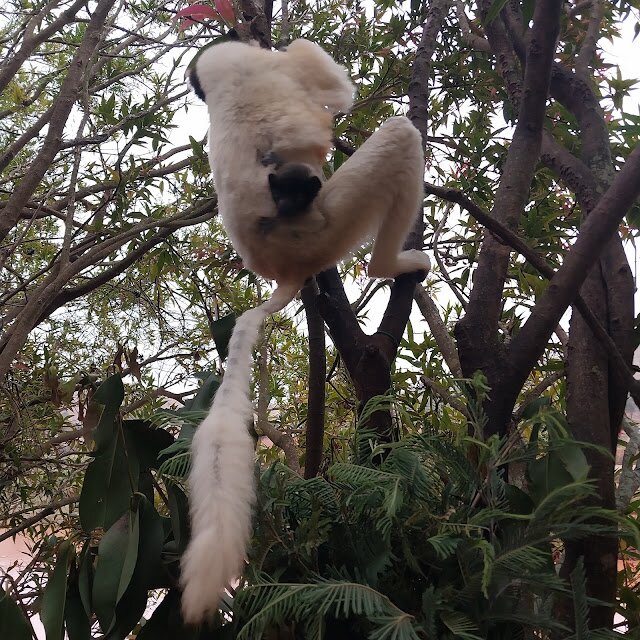
Verreaux’s sifaka is the one visitors remember, white-furred with a dark face, crossing open ground upright with the sideways bounding hop that gives it the dancing name.
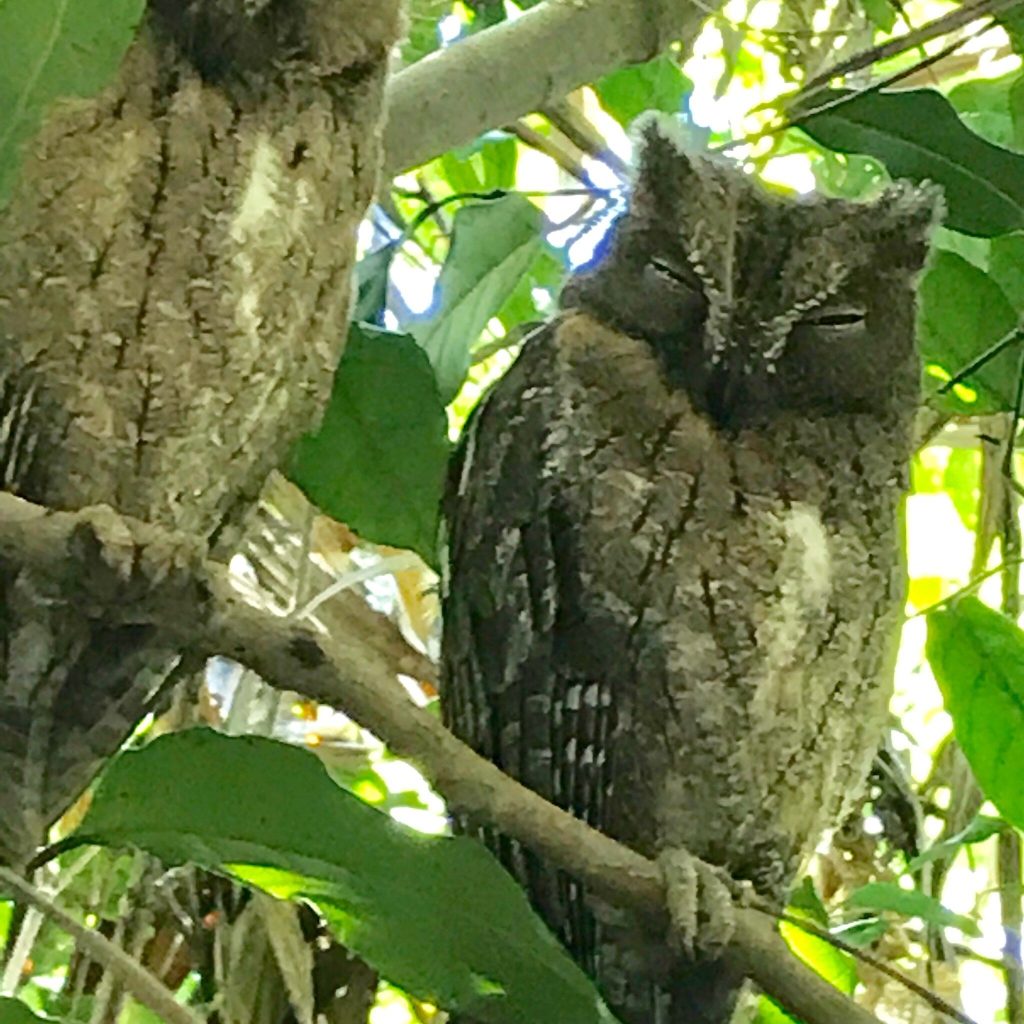
Ring-tailed lemurs and red-fronted brown lemurs both occur. Hubbard’s sportive lemur is the nocturnal speciality, along with mouse lemurs and dwarf lemurs.
Reptiles do well in the transitional habitat, with chameleons including Oustalet’s, plated lizards and several snake species, none dangerous to people.
The forest structure helps. Canopy is lower and more open than in the eastern rainforest, so light reaches the floor and animals are visible rather than hidden forty metres up.
Short circuit, one to two hours. The standard visit, taking in transitional forest with sifaka, birds and reptiles. Flat easy walking straight off the RN7. What almost everyone does.
Half day with a bird guide. For Appert’s tetraka and the wider endemic list, worth arranging in advance. The park is quiet enough that early starts rarely compete with other groups.
The Transitional Forest
What makes Zombitse ecologically interesting is its position between two systems.
The humid eastern forests and the arid spiny thicket of the deep south support entirely different plant and animal communities. The transitional zone between them holds elements of each plus species adapted to the intermediate conditions and found in neither neighbour.
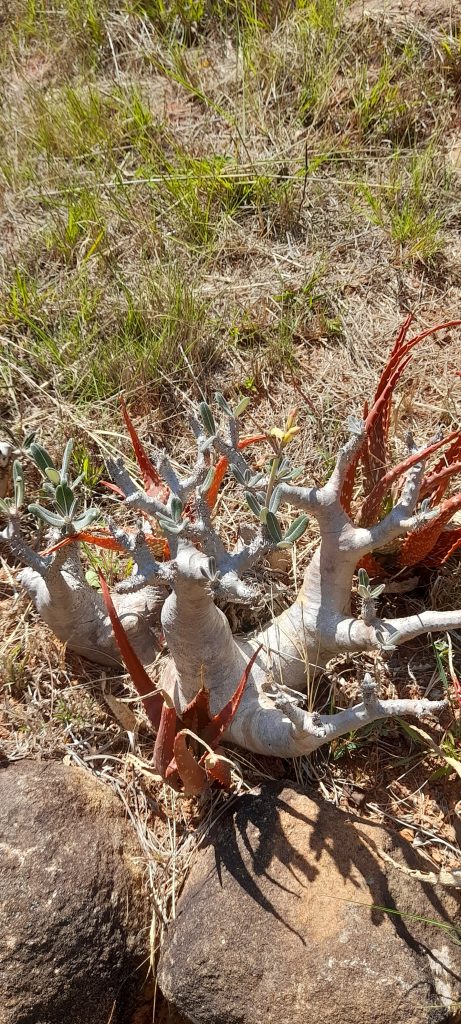
Baobabs occur alongside species from the wetter forests. The understorey differs from both neighbours. Several plants and animals here have ranges limited to the transitional belt.
This habitat type is among the most threatened in Madagascar, having been cleared extensively for agriculture and charcoal, and Zombitse protects one of the larger remaining blocks.
Guides will point out the vegetation differences, which are more legible here than in a single-system park.

Vohibasia, Isoky-Vohimena and the Other Blocks
The park covers three separate forest blocks, and almost every visitor sees only one.
Zombitse is the accessible block with the entrance on the RN7 and the maintained circuits. It is what people mean when they refer to the park.
Vohibasia and Isoky-Vohimena lie further from the road with no visitor infrastructure, reached only by arrangement through the park office and of interest mainly to researchers.
Splitting a protected area across blocks is common in Madagascar where forest has been fragmented by clearance, and Andohahela in the southeast works the same way with three parcels holding different habitats.
What it means practically is that the species lists quoted for the park as a whole are not all reachable from the roadside circuits. Appert’s tetraka and the sifaka are, which covers what most visitors come for.
Getting There and Practicalities
The park entrance sits directly on the RN7 roughly 20 km east of Sakaraha and about 90 km from Toliara, between Isalo and the coast.
No detour is needed and no four-wheel drive. Anyone driving the southern circuit passes the gate, and taxi-brousse services on the RN7 can drop you there, though onward transport requires flagging down the next vehicle.
There is no accommodation at the park. Ranohira near Isalo is the nearest base going east, and Toliara or Ifaty going west. Sakaraha has basic options.
Fees are paid at the entrance in cash in Ariary, with guides compulsory and charged per group by circuit.
Zombitse works best as a morning stop rather than an afternoon one. The transitional forest is hot and exposed by midday, and bird activity drops sharply once the sun is up. Travellers driving from Isalo toward the coast should leave early enough to reach the gate before nine, which also avoids arriving at Toliara in the heat.
Combining Zombitse with the Southwest
Zombitse sits at the point where the RN7 leaves the highlands for the arid southwest, which makes it a natural pivot in an itinerary.
Heading west, Toliara is about 90 km on, with the Antsokay Arboretum outside the city holding over 900 plant species from the southwest and around 90 percent of them endemic. That pairing works well: transitional forest in the morning, spiny forest botany in the afternoon.
Ifaty and Mangily north of Toliara add the reef and the Reniala spiny forest reserve. Anakao to the south is reached by boat and gives access to Tsimanampetsotsa National Park, where a soda lake too saline for fish supports flamingos.
Heading east, Isalo is four to five hours back up the RN7, which is why most travellers stop at Zombitse on the drive between the two rather than as a separate outing.
Mikea National Park north of Toliara holds the richest dry forest for reptiles anywhere, with 65 species recorded, and the long-tailed ground-roller that birders pair with Appert’s tetraka on a southwest list.
Best Time to Visit
The park is open year-round and the constraint is heat rather than rain.
April to June. Following the rains the forest is greener and temperatures are moderate. Comfortable walking and reasonable bird activity. Few visitors.
July to September. Coolest and driest, with the most comfortable midday conditions. Peak RN7 season, though Zombitse stays quiet compared with Isalo. Reptiles less active in the cool.
September to November. Breeding birds calling, which makes Appert’s tetraka considerably easier to locate, and reptiles active again. The strongest window for a birding visit.
December to March. Hot, with the region’s brief rain. Reptiles at their most active. Midday walking becomes hard work in exposed transitional forest, so early starts matter more than usual.
Frequently Asked Questions
How much does it cost to visit Zombitse?
Park entry follows the standard Madagascar National Parks rate of 45,000 Ariary per adult per day, with children under twelve at 25,000 Ariary, paid in cash at the entrance. Guides are compulsory and charged per group by circuit, typically at the lower end given the short routes. There is no card facility.
How long does a visit take?
One to two hours for the short circuit, which is what most travellers driving the RN7 allow. A half day with a bird guide suits anyone targeting Appert’s tetraka or working the wider endemic list. The entrance is on the main road, so no travel time is added beyond the walk itself.
What is Appert’s tetraka?
A small forest bird described relatively recently and restricted to this forest and a few neighbouring fragments. It is the reason birders build Zombitse into a southern itinerary, since many Madagascar bird lists depend on this park to complete it. Ask for a bird guide at the entrance, since locating it depends on knowing the territories.
Is it worth stopping if I am not a birder?
Yes, for an hour. Verreaux’s sifaka crossing open ground is the sight most visitors remember, and the transitional forest is a habitat type you will see nowhere else on the RN7. It costs no detour and breaks a long driving day between Isalo and the coast.
Where do I stay?
Nowhere at the park itself. Ranohira near Isalo is the nearest base heading east, and Toliara or Ifaty heading west. Sakaraha has basic options about 20 km away. Most visitors stop en route rather than staying nearby.
Do I need a four-wheel drive?
No. The entrance is directly on the sealed RN7 with no track to negotiate, which makes this the most accessible national park in Madagascar. Taxi-brousse services on the route can drop you at the gate, though onward transport means flagging down the next vehicle.
When should I visit?
September to November for birding, when breeding activity makes Appert’s tetraka considerably easier to locate. July to September for the most comfortable walking conditions. Any month works for a short stop, but a morning start matters, since bird activity drops sharply once the sun is up and the forest is exposed.
How does it compare with the other RN7 parks?
It is the smallest commitment by a wide margin. Ranomafana and Isalo each repay two nights, Anja takes ninety minutes with guaranteed ring-tailed lemurs, and Zombitse takes an hour with a bird found almost nowhere else. All four fit a ten-day southern circuit without difficulty.
Planning Your Trip
Zombitse is the stop that costs a driving day nothing and adds a habitat and a bird the rest of the RN7 cannot. The only real decision is timing the arrival for morning rather than afternoon.
Booking Your Madagascar Trip
The safari companies and tour operators listed on this website put trips like this together for a living and know which camps, guides and routes actually deliver. We are an independent guide to Madagascar; we do not book or sell tours ourselves.
When you are ready, arrange your safari, tour or holiday with one of the recognised operators listed here. Tell them your dates and what matters most, and a real person, not a form, will handle the itinerary, park bookings and logistics for you.