Toamasina (Tamatave)
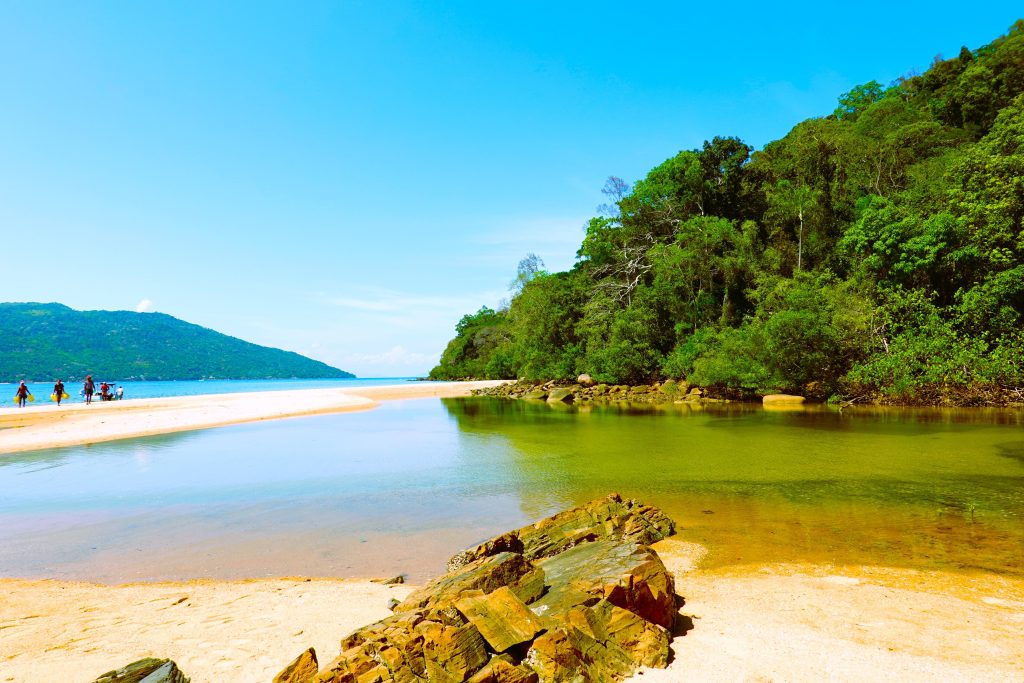
Toamasina, still widely called Tamatave, is Madagascar’s largest port and the gateway to the eastern rainforests, the Pangalanes Canal and the boat crossing to Île Sainte-Marie. Visitors come for the canal, the lemur reserves at Ivoloina and Palmarium, and the beaches north along the coast. The city sits at the end of the RN2 from the capital and is the busiest commercial hub outside Antananarivo.
Pangalanes Canal Boat Trips
The Canal des Pangalanes is a chain of natural lagoons, rivers and dug channels running parallel to the east coast for several hundred kilometres, built up during the colonial period to move goods without facing the open ocean.
Boat trips run from Toamasina for half a day, a full day or several days heading south. What you get is village life along the water, fishermen in pirogues, birdlife in the reed margins and stops at craft workshops or vanilla plantations depending on the operator.
Kayaking the canal is the quieter alternative and works well for a half day. Longer trips south reach the Palmarium reserve and eventually Manakara, where the FCE railway from Fianarantsoa comes down.
Palmarium Reserve and Aye-Aye Tours
Palmarium sits three to four hours south along the canal and is a private reserve in palm forest holding several lemur species, most of them introduced and habituated. It is where a large proportion of the aye-aye photographs from Madagascar are taken.
Be clear about what it is. The lemurs here are fed and will come right up to visitors, and the aye-ayes live on a small island where they are provisioned at night for viewing. For travellers who want to see an aye-aye at all, this is far and away the most reliable place in the country. For those wanting wild animals, it is not that.
The reserve is reached by boat and requires an overnight stay, since the aye-aye viewing happens after dark. Accommodation is on site.
Ivoloina Park Tours and Lemur Watching
Ivoloina Park lies about 15 km north and combines a zoological collection with botanical gardens and rainforest trails. Several lemur species roam freely on the grounds, alongside chameleons, frogs and birds.
It functions as a conservation and education centre as much as a visitor attraction, working on captive breeding and environmental education for local communities. Hiring a guide inside makes a considerable difference to what you find.
This is the practical option for anyone with a day in Toamasina who wants to see lemurs without committing to the canal trip south. A smaller botanical and zoological garden near the university offers a quieter alternative.
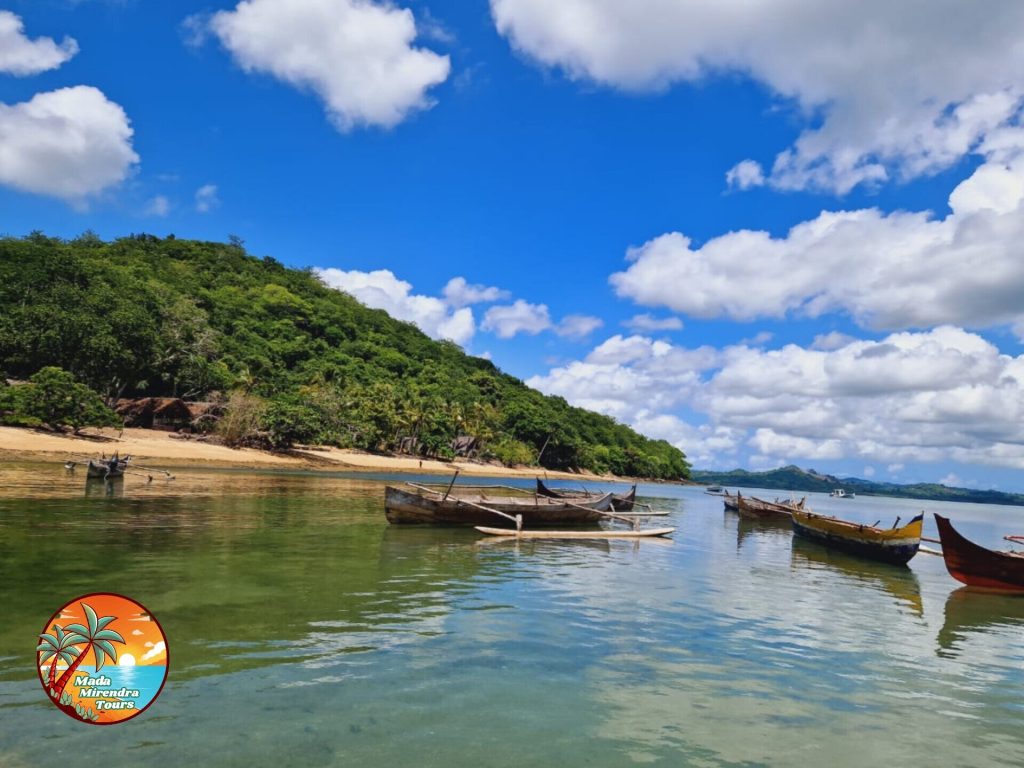
The Pangalanes runs for hundreds of kilometres behind the coast, a working waterway where villages, pirogues and freight still move as they have for a century.
Bazary Be Market Tours and City Walking
Bazary Be is the sprawling central market and the best of the city, thick with vanilla, cloves and the spices the east coast produces. It is a working market rather than a craft one, though raffia baskets and carvings are available near the port.
Weathered French colonial architecture survives across the centre, and Boulevard Joffre and Avenue de l’Indépendance are the main streets. Pousse-pousse rickshaws are everywhere and are the standard way to move around.
The seafront promenade is where the city gathers, particularly on Sunday afternoons when young people come out to walk and ride the high-wheeled rickshaws. Toamasina developed as a colonial resort, and something of that character survives.
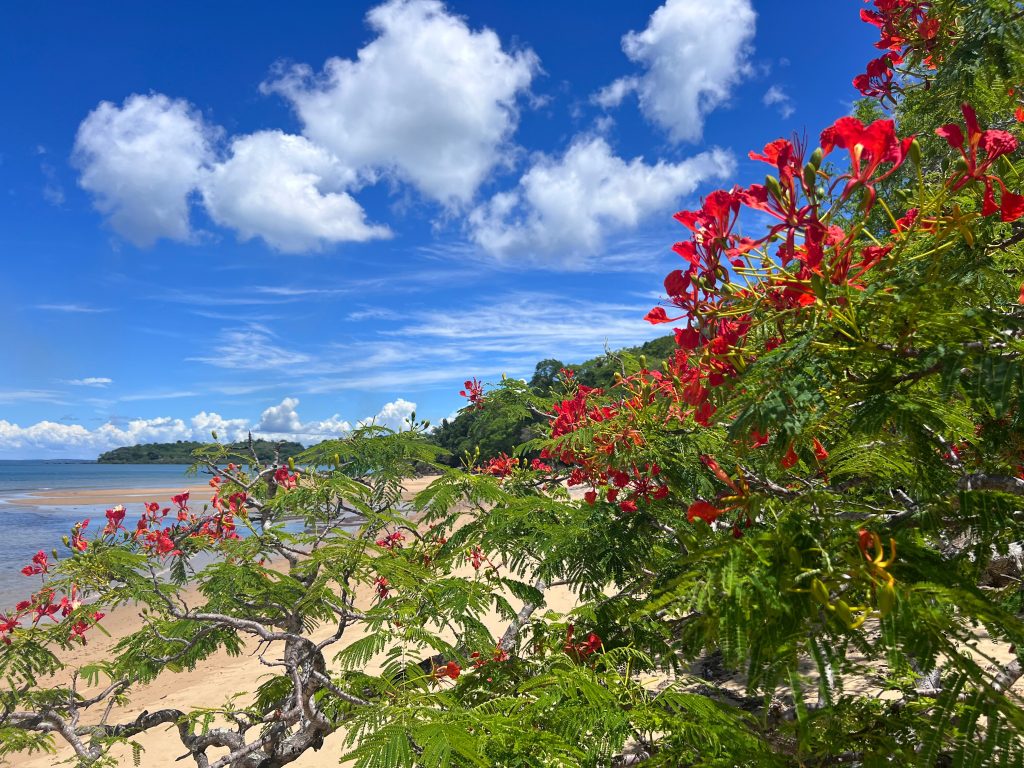
Do not swim at the city beaches. Currents are strong, the water near the port is polluted, and sharks are a recognised hazard on this stretch of coast. This is consistent advice from every source and is not overcautious. Enjoy the seafront from the shore and swim at Foulpointe further north, where the reef shelters the bay.
Foulpointe Beach and Coastal Trips
Foulpointe, about 58 km north, is the beach most visitors head for. A coral reef shelters the bay, making it one of the few places on this coast where swimming is genuinely safe, with white sand and clear water.
Snorkelling works over the reef and surf lessons are available when conditions suit. The village has hotels and restaurants and functions as a proper beach resort by east coast standards.
Île aux Prunes, a small island reached by boat from the port, offers beaches and a lighthouse for a day trip closer to the city. Mahambo further north is another option and has a reputation among surfers.
Cyclones and the Rebuilding of the East Coast
Toamasina sits on the most cyclone-exposed coastline in Madagascar, and storms coming off the Indian Ocean between January and March make landfall here more often than anywhere else on the island. Recent seasons have brought severe systems that cut the RN2, damaged the port and flattened housing across the region.
Visitors notice this in the built environment. Roofs are frequently newer than the walls beneath them, and reconstruction is a permanent condition rather than an occasional event. The colonial buildings that survive have done so through many decades of this.
Practically, it means checking road and ferry status before travelling anywhere on this coast in the first quarter of the year, and building slack into any itinerary that depends on the RN2 or the Soanierana Ivongo crossing. Flights are also affected.
It also explains why so much of the eastern rainforest matters. Forest cover on the slopes above the coast is what slows runoff when a cyclone dumps its rain, and the deforestation visible along the RN2 is directly connected to the flooding that follows each storm.
Getting to Toamasina and Onward to Sainte-Marie
The RN2 runs from Antananarivo, sealed the whole way and taking most of a day, passing Andasibe-Mantadia National Park en route. That combination makes Toamasina a natural end point for an eastern circuit rather than a destination on its own.
Flights connect to the capital in under an hour. There is also a rail connection, and the Micheline, a rubber-tyred railcar dating from the colonial period, occasionally runs the route as a tourist service.
For Île Sainte-Marie, the standard route is south to Soanierana Ivongo and a ferry crossing of a couple of hours, which can be rough and is frequently cancelled. Flying from the capital is the more reliable option.

One or two days. Bazary Be, the seafront, Ivoloina Park and a half day on the canal. Enough if Toamasina is a stop between Andasibe and Sainte-Marie.
Four days or more. Adds an overnight at Palmarium for the aye-aye and a couple of nights at Foulpointe. The version that makes the eastern coast worth the drive.
Betsimisaraka Culture and the East Coast
The Betsimisaraka are the people of this coast, the second largest ethnic group in Madagascar, and their name means the many inseparables, referring to a confederation formed in the eighteenth century.
The east coast economy runs on vanilla, cloves, lychees and coffee, and the plantations behind the coast are what the Pangalanes was built to serve. Vanilla in particular is the region’s cash crop and dominates trade in the markets.
This coast bears the brunt of Madagascar’s cyclones, and the damage from recent seasons is visible in places. Recovery is a constant feature of life here, which is worth knowing when travelling through.
Best Time to Visit Toamasina
The east coast is the wettest part of Madagascar, with rain in every month and the country’s highest cyclone exposure.
May to October. The drier and cooler period and the best window for visiting. Canal trips run reliably, roads are in better condition and the beaches at Foulpointe are at their most usable.
September to November. Warming with lychee season arriving toward the end. Good conditions before the heavy rain returns, and quieter than mid-year.
December. Lychee harvest, when the region ships enormous volumes and the markets fill. Hot and humid with rain building. A good month for food, a poor one for weather.
January to March. Cyclone season and the wettest months. The RN2 can be cut by storms, ferries stop and travel becomes unreliable. Best avoided on this coast.
Frequently Asked Questions
How much do Toamasina excursions cost?
Ivoloina Park entry runs around 5 US dollars with a guide adding a few more. Pangalanes canal day trips start around 40 dollars per person and kayaking half days around 30. A boat trip to Île aux Prunes is roughly 30 dollars, and a return taxi to Foulpointe about 50. Palmarium is priced as a package including boat transfer, accommodation and guiding, and costs considerably more.
Is Palmarium worth visiting?
It depends what you want. It is the most reliable place in Madagascar to see an aye-aye, which is otherwise close to impossible. But the lemurs are introduced, fed and habituated, and the aye-ayes are provisioned on a small island for viewing. Travellers who prize wild sightings will find it artificial. Those who simply want to see the animal will not regret it.
Can I swim in Toamasina?
Not at the city beaches. Strong currents, pollution near the port and sharks make the shoreline unsafe, and this is consistent local advice rather than excessive caution. Foulpointe, 58 km north, has a sheltering reef and is where people go to swim.
How do I get to Île Sainte-Marie from here?
Drive south to Soanierana Ivongo and take the ferry, a crossing of around two hours that is frequently rough and sometimes cancelled. The road down is slow. Many travellers instead fly to Sainte-Marie from Antananarivo, which is more reliable though the flights are limited.
How long should I stay?
One or two days covers the city, the market and Ivoloina. Four days or more lets you add the canal properly, an overnight at Palmarium and time at Foulpointe. Most travellers treat Toamasina as a transit point between Andasibe and the coast rather than a destination.
Is the RN2 drive worth doing?
Yes, because it passes Andasibe-Mantadia, the most accessible rainforest park in Madagascar and the best place to see indri. Breaking the drive there for two nights turns a long transfer into the strongest wildlife stop on the eastern side of the island.
What should I buy here?
Vanilla and cloves at Bazary Be, at prices well below what the same produce costs elsewhere. Raffia baskets and wooden carvings are sold near the port. The east coast is Madagascar’s vanilla region, so this is the sensible place to buy it.
Planning Your Visit
Toamasina works as a hinge between the eastern rainforest and the coast. Few travellers come for the city itself, and the ones who enjoy it most are those using it to reach the canal, Palmarium and the beaches north.
Booking Your Madagascar Trip
The safari companies and tour operators listed on this website put trips like this together for a living and know which camps, guides and routes actually deliver. We are an independent guide to Madagascar; we do not book or sell tours ourselves.
When you are ready, arrange your safari, tour or holiday with one of the recognised operators listed here. Tell them your dates and what matters most, and a real person, not a form, will handle the itinerary, park bookings and logistics for you.